
San Jose Juniper Bonsai Care
Juniperus chinensis 'San Jose'
Zones 4 to 9, outdoor only. 'San Jose' is a low-growing, semi-prostrate Chinese Juniper cultivar known for its vigor.
Cupressaceae (the cypress family) · Evergreen coniferous tree
At a glance
- Type
- Conifer
- Leaves
- Evergreen
- USDA zones
- 4 to 9
- Indoor or outdoor
- Outdoor
- Growth rate
- Moderate
- Bonsai popularity
- Tier 1
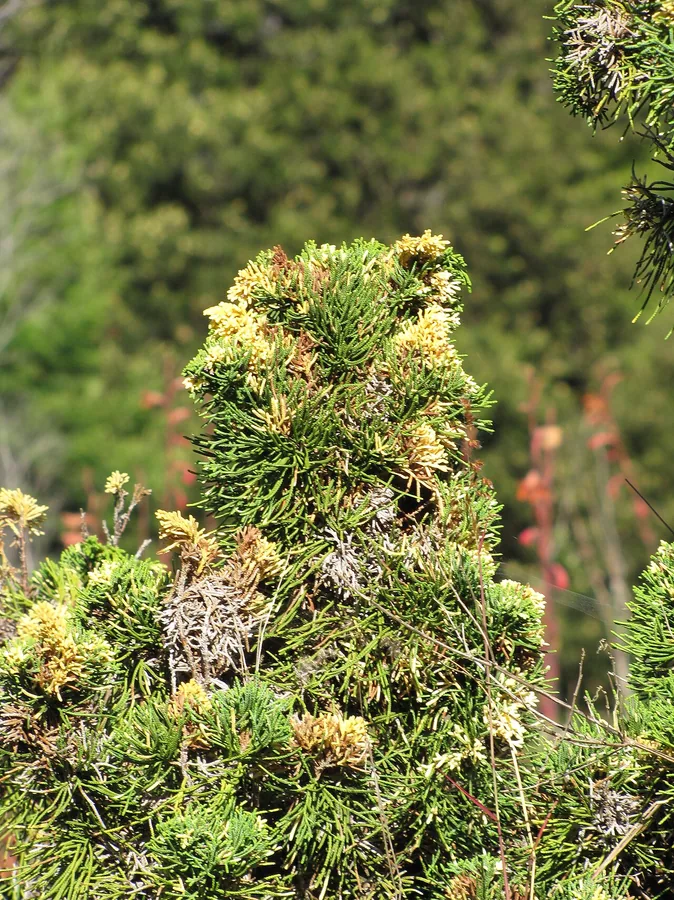
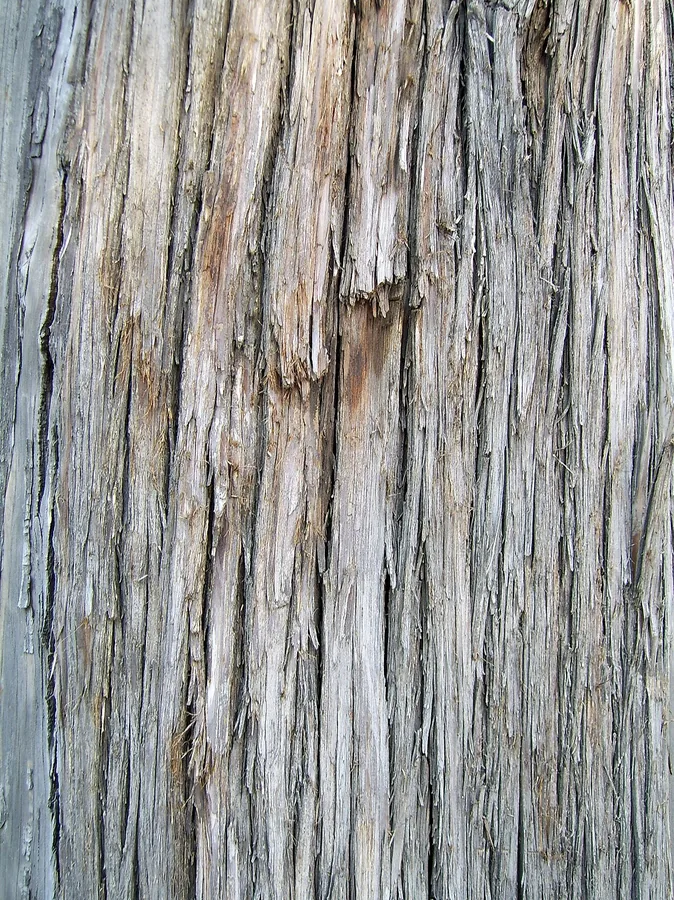
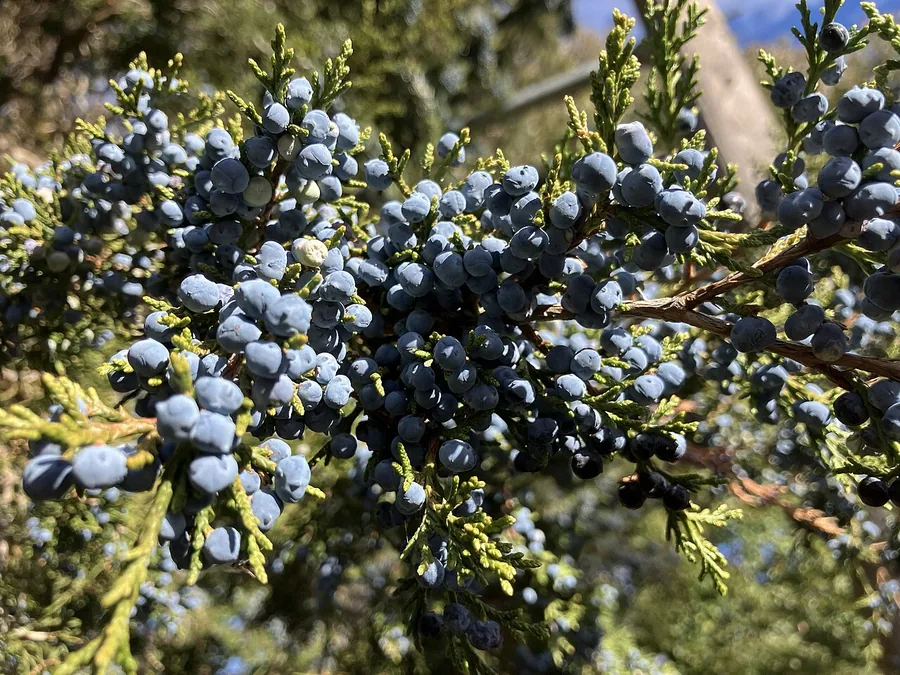
Close-up photo reference
Compare your tree against these to confirm the species and spot problems early.
.jpg)


San Jose Juniper quick reference
| USDA zones | 4 to 9 |
|---|---|
| Indoor / outdoor | Outdoor only; requires winter dormancy and cannot live indoors |
| Light | Full sun; 5 to 6+ hours of direct light daily |
| Water | Moderate; likes to dry slightly between waterings, never soggy |
| Soil | Free-draining inorganic mix (akadama, pumice, lava) |
| Repot | Every 2 to 4 years depending on age and vigor |
| Frost | Hardy to roughly −22°F (-30°C) in ground; protect potted roots below 21°F (-6°C) |
| Mature height | 1 to 2 ft (0.3 to 0.6 m) tall, spreading 6 to 8 ft wide as a groundcover [s3] [s4] |
| Growth rate | Medium [s3] |
| Season of interest | Sage green evergreen foliage all year; female plants may carry blue berrylike cones [s3] |
| Leaf reduction | Not rated by the sources we checked |
| #1 cause of death | Keeping it indoors: junipers decline and die without outdoor conditions |
Overview & Character
'San Jose' is a low-growing, semi-prostrate Chinese Juniper cultivar known for its vigor, toughness and its distinctive mix of foliage types. It is a strong grower that thickens quickly, making it a popular and affordable choice for developing bonsai and for beginners who want a forgiving conifer with classic juniper character. Its rugged constitution and tolerance of hard work make it a good species on which to learn wiring, deadwood technique and pad building.
Its natural sprawling habit suits cascade, semi-cascade, informal upright, windswept and driftwood styles, and like other Chinese junipers it takes exceptionally well to jin and shari deadwood features finished with lime sulfur. The one trait that defines working with San Jose is its persistent juvenile needle foliage: even mature specimens hold a proportion of prickly needle growth alongside adult scale foliage, giving the tree a slightly coarser, wilder texture than the refined Shimpaku. Skilled growers manage this by pruning to encourage the scale form and by keeping the tree healthy and in strong light.
Identification
San Jose carries a characteristic blend of both juvenile (needle-like, sharp, grayer-green) and adult (scale-like) foliage on the same plant, with juvenile growth notably more persistent than on Shimpaku. It is more vigorous and open in habit, spreading low and wide. Bark is thin, reddish-brown and fibrous, shredding vertically on older trunks. Growth is fast and somewhat rangy, requiring regular management to build compact pads. As a dioecious juniper it may occasionally bear small glaucous blue berry-like cones, though these are minor in bonsai.
Look-alikes & how to tell them apart: The key distinction from Shimpaku (J. chinensis 'Shimpaku') is foliage: San Jose keeps far more prickly juvenile needle foliage and grows more vigorously and coarsely, whereas Shimpaku is dense, soft and predominantly adult scale foliage. It can also resemble other spreading garden junipers like Juniperus procumbens 'Nana', but San Jose is a true J. chinensis form with mixed foliage rather than the uniformly needle-type, ground-hugging procumbens.
Climate & USDA Zone
San Jose is fully hardy across USDA zones 4 to 9 and shares the cold tolerance typical of Chinese junipers. It enjoys warm, sunny summers and needs cool winters with a genuine dormancy triggered by cold and shortening daylight. As with all junipers, the tree in the ground is far hardier than its shallow-potted roots, which are the vulnerable part in winter. It is strictly an outdoor species and cannot be grown as an indoor plant.
Light
Grow San Jose in full, direct sun, at least five to six hours daily, more if possible. Strong light is essential to keep growth compact, encourage the desirable scale foliage, and maintain dense, healthy pads. In shade the tree becomes leggy, weak and more prone to reverting to juvenile foliage and to pest problems. In the fiercest summer heat a little afternoon shade can prevent tip scorch, but the working default is maximum sun.
Watering
Like all junipers, San Jose prefers to run slightly dry rather than wet. Water thoroughly once the top of the soil begins to feel dry, allowing water to drain freely, then let the mix approach dryness again before watering next. Avoid both extremes: never let the rootball fully desiccate, and never let it stay waterlogged, which invites root rot. A fast inorganic soil makes this rhythm straightforward and forgiving.
Soil & Root Care
Plant in a free-draining, mostly inorganic mix such as akadama, pumice and lava rock in roughly equal parts, tuned to your climate. Because San Jose is vigorous, young trees can be repotted every two years, with older specimens on a three-to-four-year cycle, done in early spring. Junipers accept moderate root reduction but should not be fully bare-rooted; take no more than about a third of the roots at a repot and leave some original soil around the fine feeders to speed recovery.
Feeding
San Jose's vigor rewards steady feeding through the growing season. Use a balanced organic fertilizer from spring to autumn (solid organic cakes on the soil or regular dilute liquid feed both work well), with slightly stronger nitrogen early in the season to build the tree, tapering off in late autumn. Hold off on feeding right after repotting or when a tree is weak or recovering, resuming once new growth confirms good health.
Pruning & Styling
This is a wiring-led species shaped chiefly by placement of branches and thinning, not by shearing. Cut extending shoots back to a fork with scissors and thin congested areas to admit light and air; do not shear or crudely finger-pinch all the tips, as damaged scale foliage browns and encourages prickly juvenile reversion, a particular tendency in San Jose. Wire young, semi-hardened branches, which are flexible and take movement well. Manage the juvenile/adult foliage balance by keeping the tree vigorous and in strong sun and pruning to favor scale growth. Build pads and remove deadwood gradually; never strip a large fraction of foliage at once, as junipers rely on foliage to sustain root and vein strength.
Seasonal Calendar
- Spring: Repot as buds swell; begin feeding; resume full watering; carry out main wiring and structural work as vigor returns.
- Summer: Full sun with attentive watering; cut back extending shoots to hold the shape; watch closely for spider mites; feed steadily.
- Autumn: Continue lighter feeding; final light styling; reduce watering as growth slows; foliage may take on a cooler tone in cold.
- Winter: Full dormancy outdoors; shelter pot and roots from hard freezes (cold frame, mulch, or unheated protection); water sparingly, never fully dry.
Care calendar by month
- Repot and root-prune: March to April
- Prune, wire and shape: April to June, October to November
- Feed: April to September
- Air-layer or take cuttings: June to July
Propagation & Cuttings
Ease: Easy (a Chinese juniper form, roots from cuttings). Best method: cuttings.
Juniperus chinensis 'San Jose' is propagated from cuttings to keep its mixed juvenile/adult foliage true; take semi-hardwood heel cuttings in autumn to winter, dip in IBA, and keep cool and humid; rooting is reliable but slow. Seed won't reproduce the cultivar. Low branches layer where they touch soil. For bonsai, cuttings clone the vigorous sprays exactly; like other Chinese junipers it tolerates heavy styling, bending, and jin/shari deadwood work.
Pests
Spider mites are the primary concern, especially in hot, dry, stagnant conditions; look for dull, stippled foliage and fine webbing, and test by tapping a shoot over white paper. Juniper scale, aphids and juniper webworm (which binds foliage with silk) may also occur. Control mites with forceful water sprays plus miticide or horticultural oil, and treat scale and caterpillars with oil or appropriate insecticide. Full sun and good airflow markedly reduce mite outbreaks.
Disease, Fungus & Infection
The main dangers are root rot from overwatering and fungal tip blights (Phomopsis and Kabatina) that brown and kill shoot tips on shaded, wet, poorly ventilated trees. Junipers can also host cedar-apple rust, producing orange gelatinous galls that are unsightly but rarely fatal. Prevention is cultural: fast-draining soil, full sun, open and airy pad structure, clean tools, and prompt removal of dead or diseased tips. Copper or a suitable fungicide helps where tip blight persists.
Most Common Causes of Death
1. Kept indoors. San Jose, like all junipers, cannot survive as a houseplant; without sun and winter dormancy it declines over months and dies, often browning suddenly. Keep outdoors year-round. 2. Overwatering / root rot. Soggy roots suffocate and rot; use free-draining soil and allow slight drying between waterings. 3. Over-styling in one session. Removing too much foliage or bare-rooting at repot starves roots and vein; stage work across seasons. 4. Winter root freeze. Shallow-potted roots are far less hardy than the tree in ground; protect below about 21°F (-6°C). 5. Spider mite infestation. Unchecked mites in hot, dry, still air can defoliate and kill a stressed tree; inspect often and improve airflow.
Sources
- Bonsai Empire: Juniper care
- Wikipedia: Juniperus chinensis
- NC State Extension Plant Toolbox: Juniperus chinensis 'San Jose'
- Cornell University Woody Plants Database: Cultivar 'San Jose' for Juniperus chinensis
Where to buy a San Jose Juniper bonsai
We don’t stock San Jose Juniper at the moment. These species need similar care and we have them now, they are the closest match in our catalogue.
- Nana Juniper (Japanese Garden Juniper), similar care, in stock now
- Shimpaku Juniper, similar care, in stock now
- Chinese Juniper, similar care, in stock now
Browse all bonsai trees for sale or find a species matched to your climate and space.
- All species
- Shop bonsai trees, tools & supplies
- How to Water a Bonsai (Without Killing It)
- Bonsai Soil: What to Buy, What to Mix, and What It Costs
- Why Bonsai Die After Repotting: Diagnosing a Failed Repot
- Pruning vs. Pinching: Shaping Your Bonsai
- Overwintering Bonsai: Cold-Season Care
- Indoor Bonsai Light and Humidity: Making a Windowsill Actually Work
- Root Rot on bonsai
- Overwatering on bonsai
- Winter / Frost Damage on bonsai
- Leaf Scorch / Sunburn on bonsai
- Spider Mites on bonsai
- Nana Juniper (Japanese Garden Juniper) bonsai care
- Shimpaku Juniper bonsai care
- Chinese Juniper bonsai care
- Common Juniper bonsai care