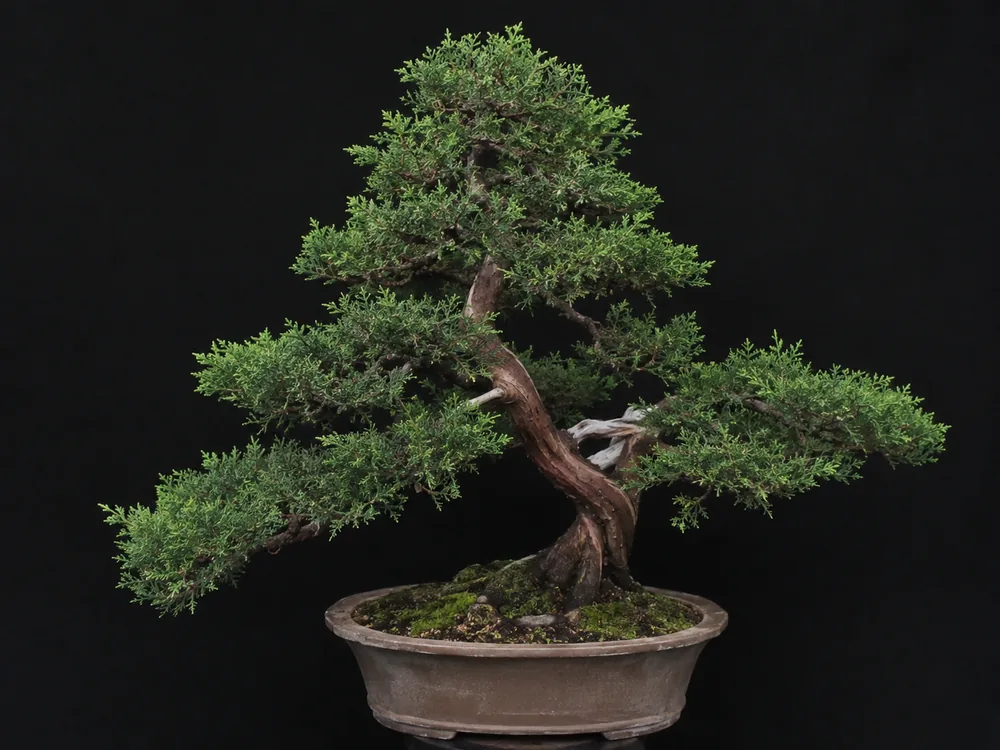
Chinese Juniper Bonsai Care
Juniperus chinensis
2 Chinese Juniper bonsai in stock, from $531.95 Shipped direct from our nursery partners, with a 48-hour live-arrival guarantee. See the trees
Zones 4 to 9, outdoor only. Arguably the most revered conifer. Most are lost to overwatering.
Cupressaceae · Evergreen conifer (shrub to small tree)
Chinese Juniper quick reference
| USDA zones | 4–9 |
|---|---|
| Indoor / outdoor | Outdoor only |
| Light | Full sun (6+ hours ideal) |
| Water | Slightly dry between waterings — dislikes soggy soil |
| Soil | Fast-draining, gritty inorganic mix |
| Repot | Every 2–4 years |
| Frost | Cold-hardy; protect potted roots in hard freezes |
| Mature height (as bonsai) | Tree to 20 m; kept 25-60 cm as bonsai |
| Growth rate | Moderate |
| Season of interest | Year-round evergreen, jin and shari |
| Leaf reduction | Good - scale foliage tightens with pinching |
| #1 cause of death | Overwatering / root rot, indoor keeping, over-defoliation |
Overview & Character
The Chinese Juniper is arguably the most revered conifer in bonsai. Its premium cultivars — especially Shimpaku forms like 'Itoigawa' and 'Kishu' — produce tight, soft, scale-like adult foliage in a refined green, and the species creates spectacular natural-looking deadwood (jin and shari), which is central to its classic styling. Mature, refined Chinese junipers are among the most valuable bonsai in the world.
Two foliage types appear: prickly juvenile needle foliage (common on young or stressed trees) and soft adult scale foliage (the desired refined form). Good culture and maturity encourage the adult foliage.
Like all junipers, it is an outdoor tree that hates wet roots.
Identification
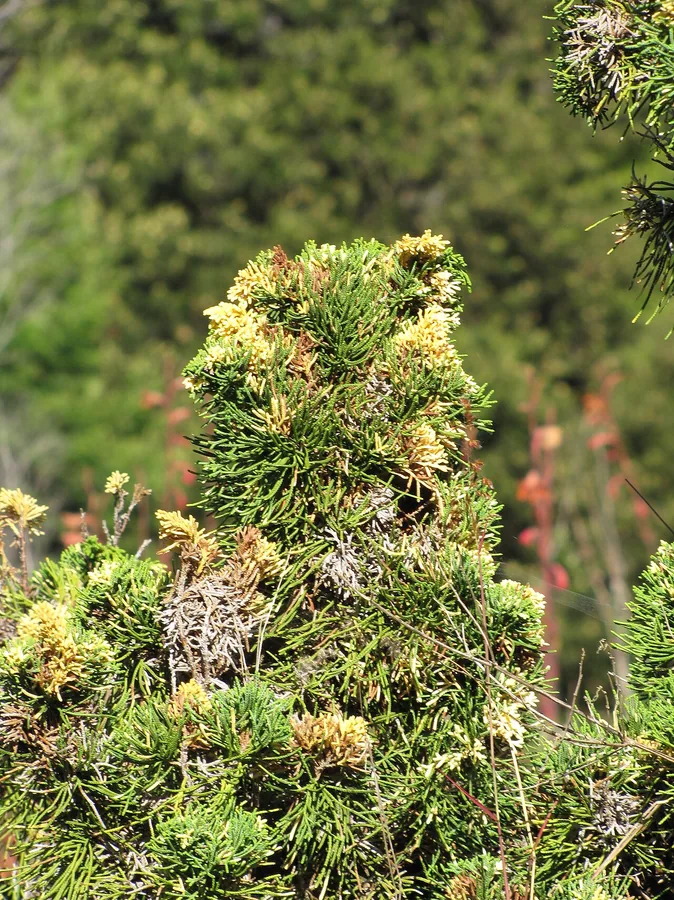
Foliage: Two foliage types appear on the same species. Adult foliage is soft, tight, scale-like, pressed close to the shoot in opposite pairs, mid- to deep green (the refined Shimpaku forms like 'Itoigawa' and 'Kishu' are prized for very fine, dense adult scales). Juvenile foliage is prickly, awl-shaped needles (usually in pairs/threes), common on young, vigorous, or stressed plants. Crushed foliage gives off a sharp resinous juniper scent.
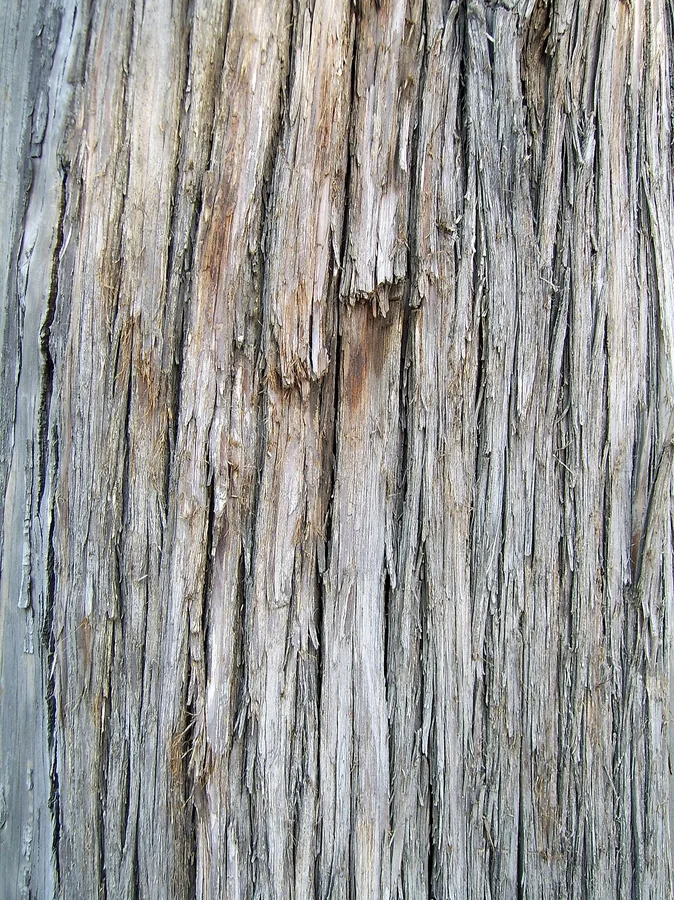
Bark & trunk: Greyish-brown bark that peels in thin vertical strips; mature trunks become rugged and twisting, and the species is famous for producing durable, dramatic deadwood (jin and shari).
Growth habit / form: Naturally an upright shrub to small tree (to ~10–20 m in the wild), denser and more ascending than the creeping garden junipers — readily styled into upright, slanting, and literati forms.
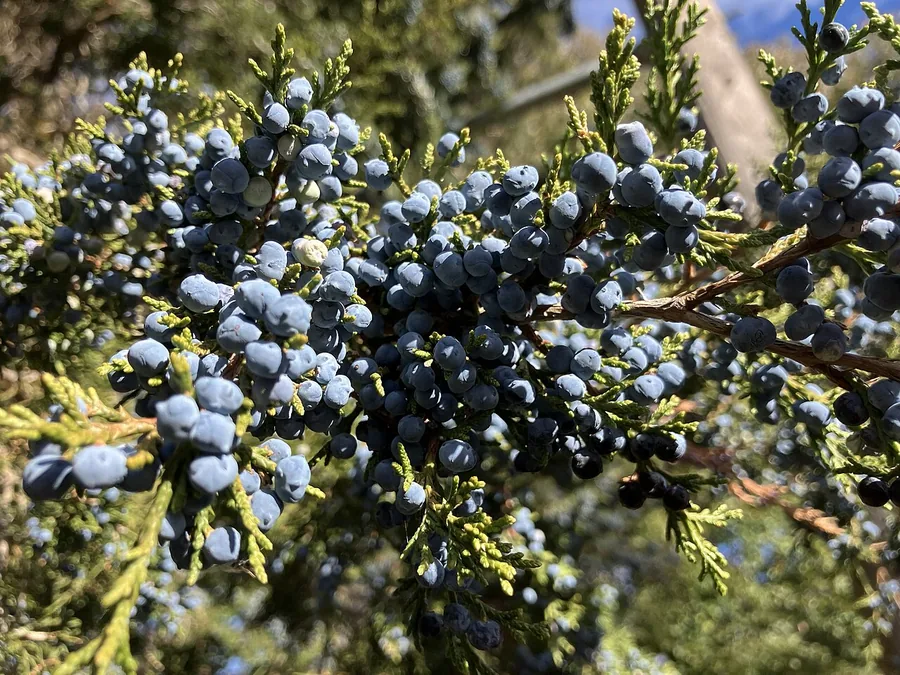
Cones / fruit: Dioecious; female plants carry irregularly rounded, berry-like seed cones ~7–12 mm, ripening glaucous brown to blue-black over about two years.
Look-alikes & how to tell them apart: Most often confused with **Japanese Garden / Nana Juniper (Juniperus procumbens)** — distinguish by habit and foliage: J. chinensis is an upright plant that develops soft adult scale foliage with maturity, while J. procumbens 'Nana' is a ground-hugging creeping mat that stays in prickly needle foliage (whorls of three).
Climate & USDA Zone
Hardy in USDA zones 4–9. Needs winter dormancy. Tolerates a wide range of temperate conditions. Must be grown outdoors — indoor culture leads to slow decline and death (foliage stays green long after the tree is dying, masking the problem).
Light
Full sun — ideally 6+ hours of direct light. Strong light keeps foliage tight and compact and supports the transition to adult foliage. In very hot climates, light afternoon shade prevents scorch, but full morning sun is essential.
Watering
Prefers to dry slightly between waterings. Never keep the soil constantly wet.
- Water when the top of the soil is approaching dry, then water thoroughly until it drains freely.
- Do not let the root ball go completely bone-dry for long — junipers don't show drought stress until damage is done.
- Frequency is dictated by weather, pot size, and soil — daily or more in summer heat, much less in cool/dormant periods. Check the soil; don't water on a fixed schedule.
- Foliage appreciates humidity; occasional misting helps, especially in dry air, but is not a replacement for root watering.
Excellent drainage is essential.
Soil & Root Care
Soil: Fast-draining, open, predominantly inorganic mix — akadama / pumice / lava (roughly equal parts) is the standard, made grittier in wet climates.
Repotting:
- Frequency: every 2 years when young/vigorous; 3–4 years (or more) as the tree matures and root growth slows.
- Timing: early spring as growth resumes.
- Remove up to ~1/3 of roots; never fully bare-root a juniper. Tease out old soil gradually and preserve healthy fine roots.
- Aftercare: partial shade and shelter for 2–4 weeks, no fertilizer until new growth resumes.
Root health: Firm, pale roots = healthy. Mushy, dark, smelly roots = rot.
Feeding
Feed regularly through the growing season (spring–autumn). Balanced fertilizer; some growers push nitrogen in spring then balance later in the year. Organic cakes and/or liquid feed both work. Withhold feed from freshly repotted, weak, or dormant trees. Avoid over-feeding, which produces coarse, leggy growth.
Pruning & Styling
- Pinch/snip new growth through the season to build density and ramification. Snip back to a side shoot rather than shearing the whole canopy (shearing browns the cut tips).
- Never strip a branch of all its foliage. Junipers do not reliably back-bud on bare old wood — a branch with no green will usually die. Always leave foliage on branches you want to keep.
- Avoid heavy pruning and repotting in the same year — combining two major stresses can kill the tree.
- Wiring can be done year-round; branches are flexible and take shape well. Monitor for wire bite.
- Deadwood (jin/shari) is a hallmark of Chinese juniper styling and the species produces durable, attractive deadwood; preserve with lime sulfur.
Propagation & Cuttings
Ease: Easy (junipers root well). Best method: cuttings.
Chinese juniper is propagated overwhelmingly from cuttings — this is how nearly all garden and bonsai stock (including shimpaku forms) is made. Take semi-hardwood cuttings with a heel in autumn to late winter, 8–12 cm, dip in IBA, and keep cool and humid; rooting is slow (2–4 months) but reliable. Seed is dormant, slow and variable and rarely used. It does not layer easily. For bonsai, cuttings let you clone superior foliage forms exactly, and juniper cuttings tolerate the work well.
Pests
- Spider mites (most common — hot, dry, stagnant conditions; fine webbing, dull stippled foliage)
- Juniper scale
- Aphids
- Juniper webworm / bagworm
Control with horticultural oil, insecticidal soap, or systemic insecticide; increase airflow to deter mites.
Disease, Fungus & Infection
- **Root rot (Phytophthora / Pythium)** — the dominant disease, from wet soil/poor drainage. Often fatal before symptoms are obvious.
- **Tip/needle blight (Phomopsis, Kabatina)** — shoot-tip dieback in wet, humid, poorly ventilated conditions. Prune affected tips, improve airflow, reduce overhead wetting, use copper fungicide if needed.
- **Cedar-apple rust (Gymnosporangium)** — juniper is an alternate host; orange gelatinous galls in spring. Remove galls; avoid proximity to apple/crabapple where rust is common.
Prevention: sun, airflow, correct watering, sanitation.
Most Common Causes of Death
1. Overwatering / root rot. Keep a sharp, free-draining mix and water only when approaching dry; foliage masks dying roots for weeks. 2. Kept indoors. Needs full sun and winter dormancy outdoors; declines indoors. 3. Over-defoliation / stripping branches bare. Junipers don't reliably back-bud on bare old wood — always leave green on branches you want to keep. 4. Too much work at once. Don't combine repotting with heavy pruning/wiring in the same year. 5. Bone-dry neglect or unprotected winter roots. Check water daily in heat; shelter potted roots in hard freezes.
Seasonal Calendar
- Spring: Repot if due (early). Resume feeding. Begin pinching new growth; wire.
- Summer: Full sun; careful watering; monitor for spider mites.
- Autumn: Feed into early fall; structural pruning, wiring, jin/shari work.
- Winter: Dormancy outdoors; protect roots from freezes; light watering. Some bronzing is normal.
Close-up photo reference
Compare your tree against these to confirm the species and spot problems early.
.jpg)


Sources
Buy a Chinese Juniper bonsai
- All species
- Shop bonsai trees, tools & supplies
- How to Water a Bonsai (Without Killing It)
- Bonsai Soil: What to Buy, What to Mix, and What It Costs
- Why Bonsai Die After Repotting: Diagnosing a Failed Repot
- Pruning vs. Pinching: Shaping Your Bonsai
- Overwintering Bonsai: Cold-Season Care
- Indoor Bonsai Light and Humidity: Making a Windowsill Actually Work
- Root Rot on bonsai
- Overwatering on bonsai
- Underwatering (Drought Stress) on bonsai
- Winter / Frost Damage on bonsai
- Leaf Scorch / Sunburn on bonsai
- Common Juniper bonsai care
- Nana Juniper (Japanese Garden Juniper) bonsai care
- Rocky Mountain Juniper bonsai care
- San Jose Juniper bonsai care