
Shimpaku Juniper Bonsai Care
Juniperus chinensis 'Shimpaku'
2 Shimpaku Juniper bonsai in stock, from $49.95 Shipped direct from our nursery partners, with a 48-hour live-arrival guarantee. See the trees
Zones 4 to 9, outdoor only. The most celebrated juniper in bonsai, prized for its soft, dense.
Cupressaceae (the cypress family) · Evergreen coniferous tree
At a glance
- Type
- Conifer
- Leaves
- Evergreen
- USDA zones
- 4 to 9
- Indoor or outdoor
- Outdoor
- Growth rate
- Slow
- Bonsai popularity
- Tier 1
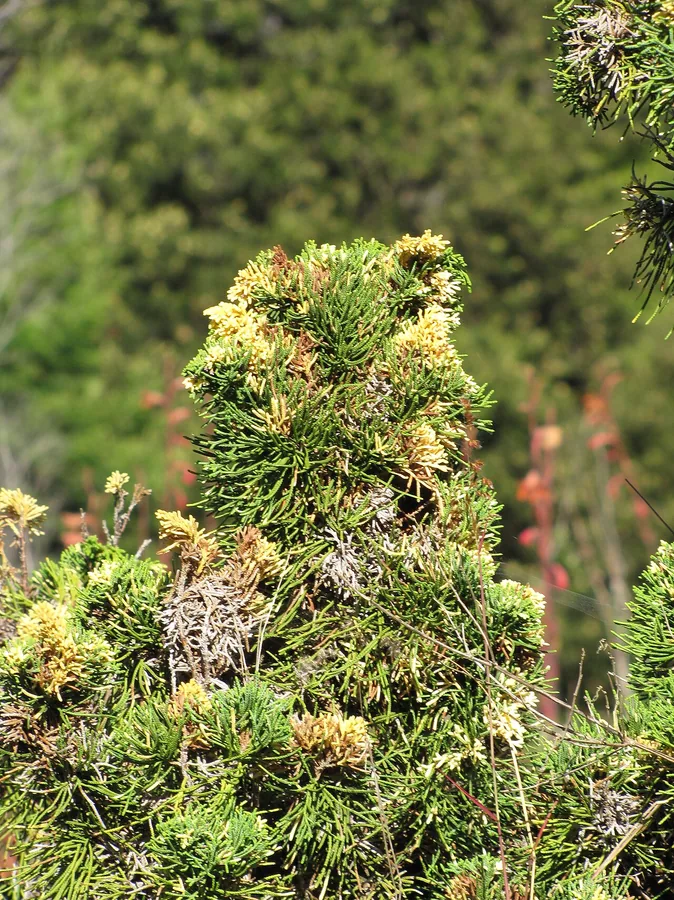
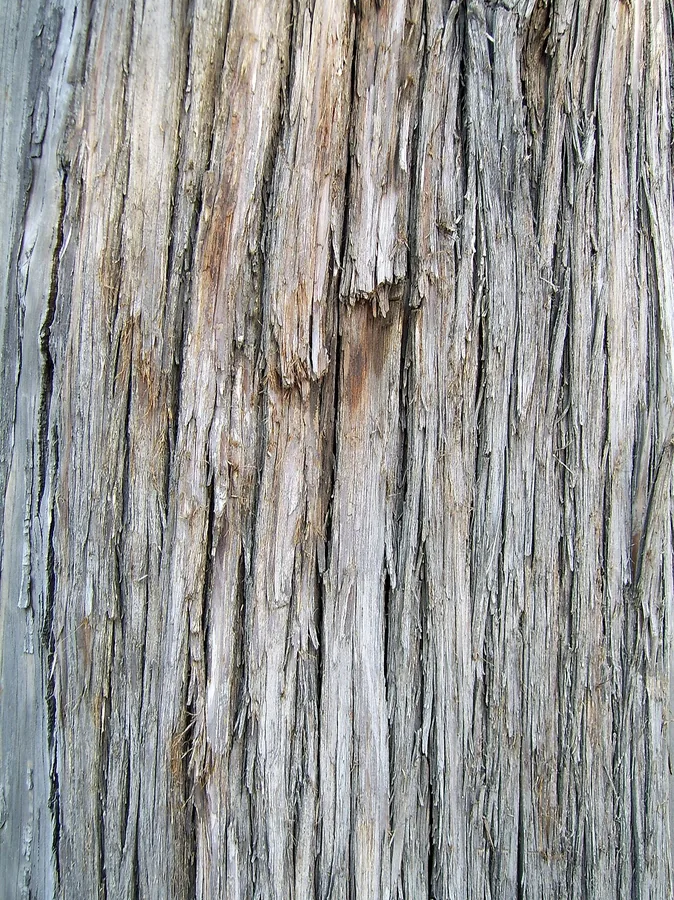
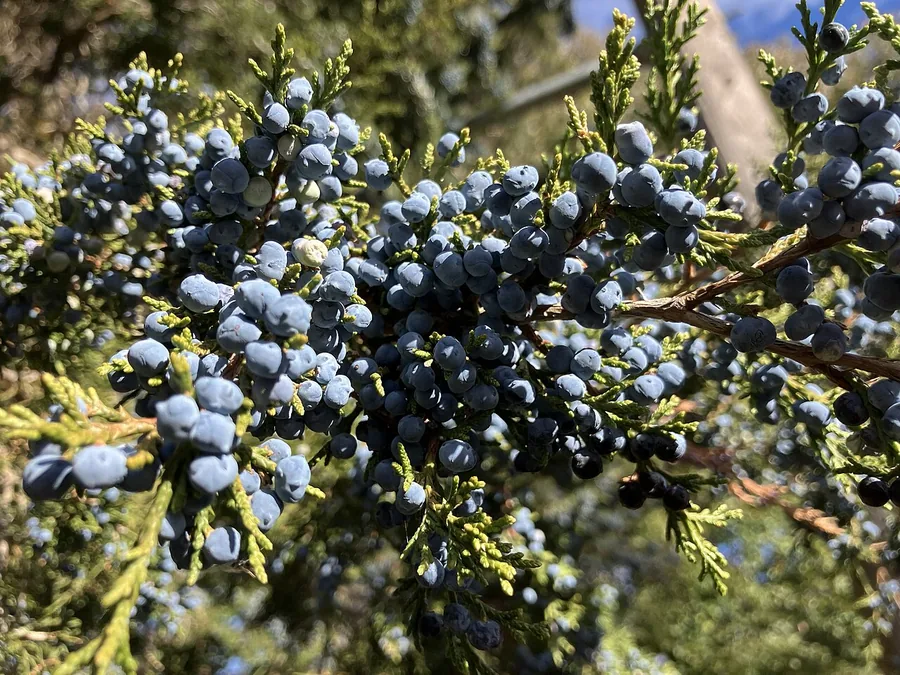
Close-up photo reference
Compare your tree against these to confirm the species and spot problems early.
.jpg)


Shimpaku Juniper quick reference
| USDA zones | 4 to 9 |
|---|---|
| Indoor / outdoor | Outdoor only; junipers need a real dormancy and cannot live indoors |
| Light | Full sun; at least 5 to 6 hours of direct light daily |
| Water | Moderate; likes to dry slightly between waterings, never waterlogged |
| Soil | Free-draining inorganic mix (akadama, pumice, lava) |
| Repot | Every 2 to 4 years, young trees more often than old |
| Frost | Hardy to roughly −22°F (-30°C) in ground; protect potted roots below 21°F (-6°C) |
| Mature height | 1 to 3 ft (0.3 to 0.9 m) tall as a dwarf landscape shrub [s3] |
| Growth rate | Slow [s3] [s4] |
| Season of interest | Evergreen gray-green to dark green foliage and peeling, flaking bark [s3] |
| Leaf reduction | Not rated by the sources we checked |
| #1 cause of death | Keeping it indoors: junipers slowly decline and die without outdoor conditions |
Overview & Character
Shimpaku is the most celebrated juniper in bonsai, prized for its soft, dense, scale-like foliage and its extraordinary capacity for deadwood work. Selected in Japan from mountain forms of Juniperus chinensis, it grows slowly and compactly, producing fine emerald-green pads that respond beautifully to refinement. Its natural resilience, tolerance of hard styling, and willingness to backbud on older wood make it forgiving for developing artists while still rewarding masters, which is why it appears again and again in exhibition-quality collections.
The species excels in styles that celebrate age and struggle: informal upright (moyogi), cascade (kengai), semi-cascade, windswept (fukinagashi), and especially literati (bunjin) forms paired with dramatic jin (deadwood branches) and shari (deadwood trunk lines). Because the living vein can be reduced to a thin strip of bark feeding a compact canopy, Shimpaku is the classic choice for the sculptural driftwood aesthetic. Its flexible young branches take wire readily, and its foliage colors deepen with sun and stress, giving the tree a rugged, mountain-grown character.
Identification
Foliage is predominantly adult scale-type, tiny, tightly overlapping, soft to the touch, and a rich blue-green to emerald. Stressed or juvenile growth can revert to prickly needle foliage, especially after heavy pruning or on interior shoots. The bark is thin, reddish-brown and fibrous, peeling in vertical strips; on old trunks it develops attractive shredding texture. Growth habit is naturally irregular and shrubby, lending itself to sculptural work. Junipers are dioecious, occasionally producing small berry-like cones (glaucous blue), but flowers and fruit are inconspicuous and rarely relevant in bonsai culture.
Look-alikes & how to tell them apart: Shimpaku is easily confused with other Juniperus chinensis cultivars such as 'San Jose' (which holds far more prickly juvenile needle foliage and grows more vigorously) and with Juniperus procumbens 'Nana' (a ground-hugging garden juniper with entirely needle-type foliage and a more open, prostrate habit). True Shimpaku has the softest, densest, most uniformly scale-like adult foliage of the group.
Climate & USDA Zone
Shimpaku thrives across USDA zones 4 to 9 as a hardy, cold-tolerant conifer. In the ground it withstands severe winter cold, but as bonsai the exposed root mass in a shallow pot is far more vulnerable than the top. It enjoys warm summers and cool winters and genuinely requires a period of winter dormancy triggered by cold and shortening days. It is not a tropical or indoor species under any circumstances.
Light
Give Shimpaku full, direct sun. It needs a minimum of five to six hours of unfiltered light per day, and more is better; strong light keeps internodes short, foliage dense, and color rich. Inadequate light causes weak, leggy growth and thinning pads. In extreme summer heat some afternoon shade can prevent scorch on fine foliage, but the default position is the sunniest spot in the garden.
Watering
Junipers prefer to run on the drier side and resent constantly wet roots. Water thoroughly when the top layer of soil begins to feel dry, letting water run freely from the drainage holes, then allow the mix to approach dryness again before the next watering. Never let the rootball dry out completely, but equally never let it sit soggy; persistent wetness is a leading cause of root rot and slow decline. In a fast, inorganic mix this balance is easy to strike.
Soil & Root Care
Use a free-draining, largely inorganic mix: a classic blend is akadama, pumice and lava rock in roughly equal parts, adjusted for your climate (more pumice/lava where wet, more akadama where dry). Repot young trees every two years and older, established trees every three to four years, in early spring as growth resumes. Junipers tolerate moderate root reduction but dislike having the entire rootball bare-rooted at once; remove no more than about one-third of the roots per repot and keep some old soil around the fine feeder roots.
Feeding
Feed regularly through the growing season to support dense foliage. A balanced organic fertilizer applied from spring through autumn works well, with many growers pushing slightly higher nitrogen in spring to build strength, then easing off late in the season. Solid organic cakes on the soil surface, or regular dilute liquid feed, both suit junipers. Avoid heavy feeding immediately after repotting or on a weak, recovering tree.
Pruning & Styling
Junipers are wired, not hard-pruned, into shape; this is a wiring-led species. Pinch and cut back extending shoots to maintain the silhouette, but do not shear or aggressively finger-pinch every tip, as tearing scale foliage causes browning and can encourage prickly juvenile reversion; instead cut back to a fork with scissors and thin overly dense areas to let light and air into the pads. Wire branches when semi-hardened; their flexibility allows dramatic movement and cascade forms. Jin and shari deadwood, treated with lime sulfur, are hallmark features. Never remove a large proportion of foliage in a single session; junipers depend on foliage to drive root and vein vigor, and over-defoliation can kill a branch or the whole tree.
Seasonal Calendar
- Spring: Repot as buds move; begin feeding; resume full watering; main wiring and structural work as growth strengthens.
- Summer: Full sun with watchful watering; pinch/cut extending shoots to keep pads tight; monitor closely for spider mites; feed steadily.
- Autumn: Continue light feeding; final light styling; foliage often deepens or bronzes with cold; reduce watering as growth slows.
- Winter: Full dormancy outdoors; protect the pot and roots from hard freezes (cold frame, mulch, or unheated shelter); water sparingly but never bone dry.
Care calendar by month
- Repot and root-prune: March to April
- Prune, wire and shape: April to June, October to November
- Feed: April to September
- Air-layer or take cuttings: June to July
Propagation & Cuttings
Ease: Easy (roots from cuttings). Best method: cuttings.
Shimpaku (Juniperus chinensis var. sargentii and named clones like 'Itoigawa', 'Kishu') is propagated almost entirely from cuttings, which keeps the fine, soft adult foliage true; take semi-hardwood heel cuttings in autumn to late winter, dip in IBA, and keep cool and humid; rooting is reliable but slow (2 to 4 months). Shimpaku scions are also grafted onto vigorous juniper (e.g. San Jose) rootstock. For bonsai, cuttings clone the prized foliage; it tolerates heavy bending and superb deadwood (jin/shari) work.
Pests
Watch for spider mites, which thrive in hot, dry conditions and cause stippling, dullness and fine webbing on interior foliage; tap a branch over white paper to check for moving specks. Juniper scale, aphids, and juniper webworm (which ties foliage together with silk) can also appear. Treat mites with strong water jets and miticides or horticultural oil, and control scale and caterpillars with appropriate insecticides or oil sprays. Good airflow and full sun greatly reduce mite pressure.
Disease, Fungus & Infection
The most serious threats are root rot from overwatering and various fungal tip and needle blights (Phomopsis and Kabatina) that brown and kill shoot tips, especially on shaded, wet, poorly ventilated trees. Junipers are also alternate hosts for cedar-apple rust, which forms gelatinous orange galls but is rarely fatal to the tree. Prevention is cultural: fast-draining soil, full sun, open pad structure, sterile tools, and prompt removal of dead or diseased shoots. Copper or appropriate fungicides can help with persistent tip blight.
Most Common Causes of Death
1. Kept indoors. Junipers cannot survive as houseplants; deprived of sun and dormancy they decline slowly over months, often looking fine until they suddenly brown and die. Keep outdoors year-round. 2. Overwatering / root rot. Constantly soggy roots suffocate and rot. Use free-draining soil and let the mix dry slightly between waterings. 3. Over-styling in one session. Removing too much foliage or bare-rooting at repot starves the roots and vein; work in stages across seasons. 4. Winter root freeze. Exposed roots in shallow pots are far less hardy than the tree in ground; protect below about 21°F (-6°C). 5. Spider mite infestation. Undetected mites in hot, dry, stagnant conditions can defoliate and kill weakened trees; inspect regularly and improve airflow.
Sources
- Bonsai Empire: Juniper care
- Wikipedia: Juniperus chinensis
- NC State Extension Plant Toolbox: Juniperus chinensis 'Shimpaku'
- NC State Extension Plant Toolbox: Juniperus chinensis var. sargentii
Buy a Shimpaku Juniper bonsai
- All species
- Shop bonsai trees, tools & supplies
- How to Water a Bonsai (Without Killing It)
- Bonsai Soil: What to Buy, What to Mix, and What It Costs
- Why Bonsai Die After Repotting: Diagnosing a Failed Repot
- Pruning vs. Pinching: Shaping Your Bonsai
- Overwintering Bonsai: Cold-Season Care
- Indoor Bonsai Light and Humidity: Making a Windowsill Actually Work
- Root Rot on bonsai
- Overwatering on bonsai
- Underwatering (Drought Stress) on bonsai
- Winter / Frost Damage on bonsai
- Leaf Scorch / Sunburn on bonsai
- Nana Juniper (Japanese Garden Juniper) bonsai care
- San Jose Juniper bonsai care
- Chinese Juniper bonsai care
- Common Juniper bonsai care