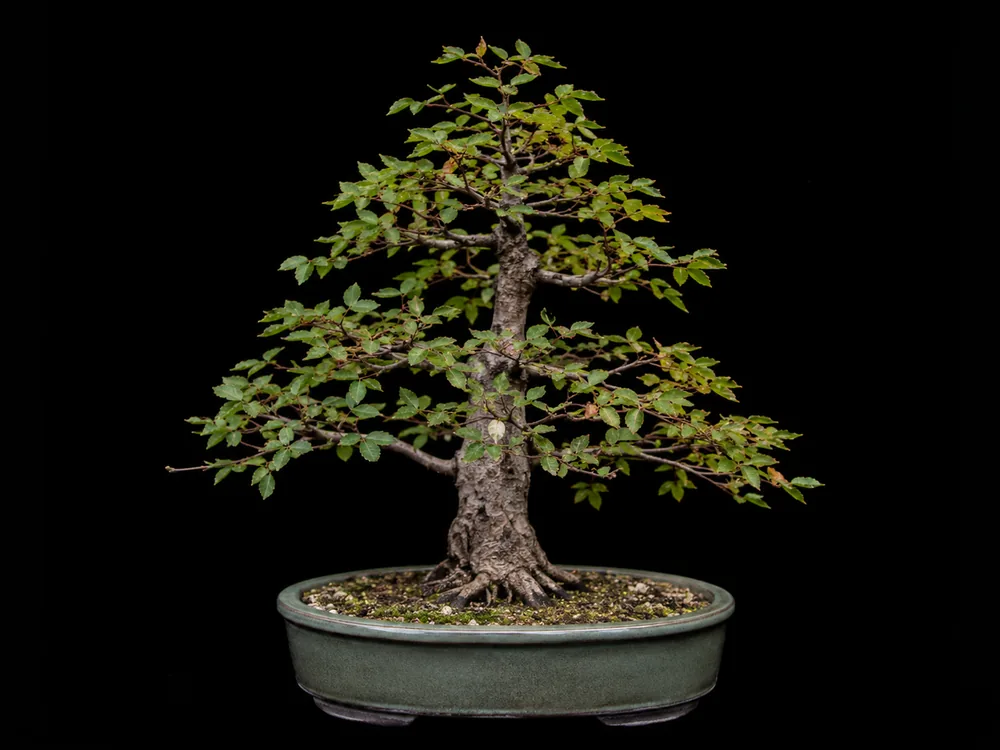
Amur Maple Bonsai Care
Acer ginnala
Zones 3 to 8, outdoor. One of the cold-hardiest maples in cultivation, thriving where many other species fail. Most are lost to overwatering.
Sapindaceae (formerly Aceraceae; maple family) · Deciduous broadleaf tree/large shrub, grown as an outdoor bonsai
Amur Maple quick reference
| USDA zones | 3–8 (best performance in 3–6; extremely cold-hardy) |
|---|---|
| Indoor / outdoor | Outdoor year-round — needs a real winter dormancy |
| Light | Full sun to partial shade; light shade in peak summer heat |
| Water | Moderate, leaning dry — sensitive to wet soil; keep moist in summer, fairly dry in winter |
| Soil | Free-draining inorganic mix (akadama / pumice / lava) |
| Repot | Young trees every 1–2 years; mature trees every 2–3 years, early spring |
| Frost | Outstanding — among the hardiest maples; still protect pot roots from extreme cold |
| Mature height (as bonsai) | Shrub-tree to 8 m; 20-45 cm as bonsai |
| Growth rate | Moderate-fast |
| Season of interest | Fiery red autumn colour, winged samaras |
| Leaf reduction | Good - reduces readily with pruning |
| #1 cause of death | Overwatering / root rot (wet-soil sensitivity); also verticillium wilt |
Overview & Character
Amur Maple is one of the cold-hardiest maples in cultivation, thriving where many other species fail. It is beginner-friendly and grown above all for its spectacular autumn foliage — brilliant scarlet to fiery red, among the best fall color of any small maple. Its leaves are small and three-lobed, reducing well for bonsai, and its fragrant spring flowers give way to showy reddish samaras. It is a moderate grower that builds good ramification and develops attractive bark with age. Its one notable sensitivity is to soggy soil: it wants moisture in the growing season but resents wet feet.
Identification
FOLIAGE: Opposite, three-lobed leaves (the central lobe noticeably longer), with a doubly-serrate margin and a more elongated outline than most maples. Small and clean, flushing green and turning vivid red-to-scarlet in autumn — its signature feature.
BARK & TRUNK: Smooth grey-brown bark when young, becoming lightly furrowed and developing character with age. Multiple trunks are common in the wild form.
GROWTH HABIT / FORM: A small, often multi-stemmed tree or large shrub with a dense rounded crown. Twiggy and responsive to clipping, lending itself to informal-upright and clump styles.
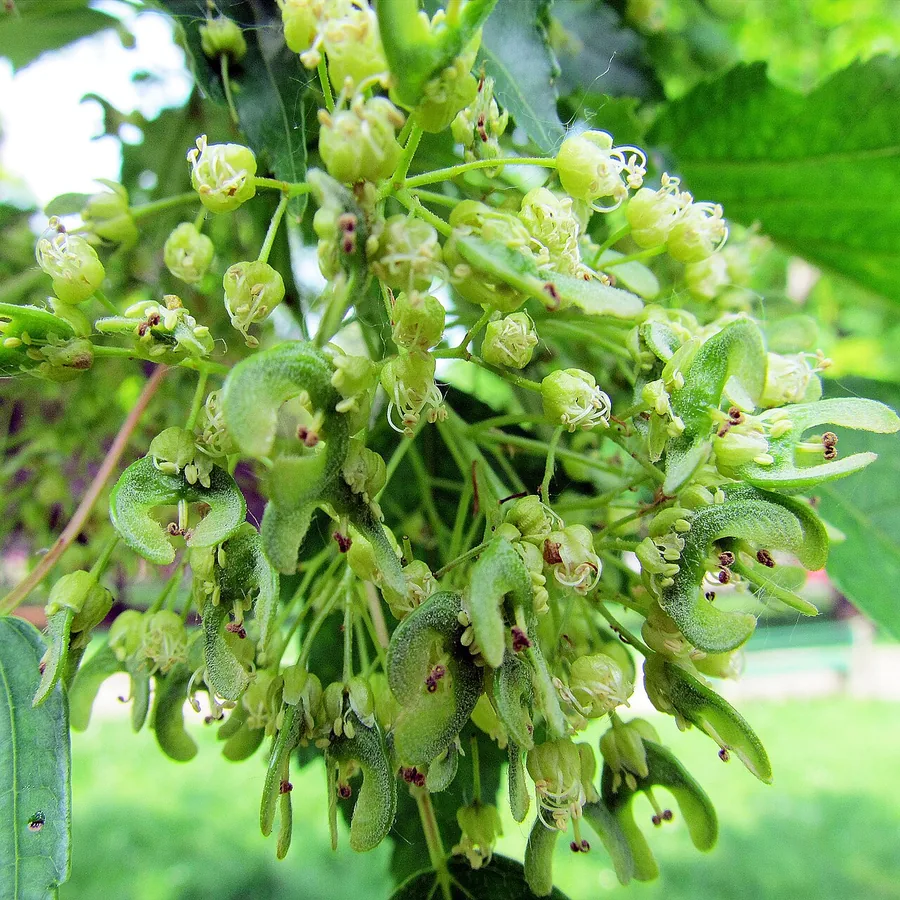
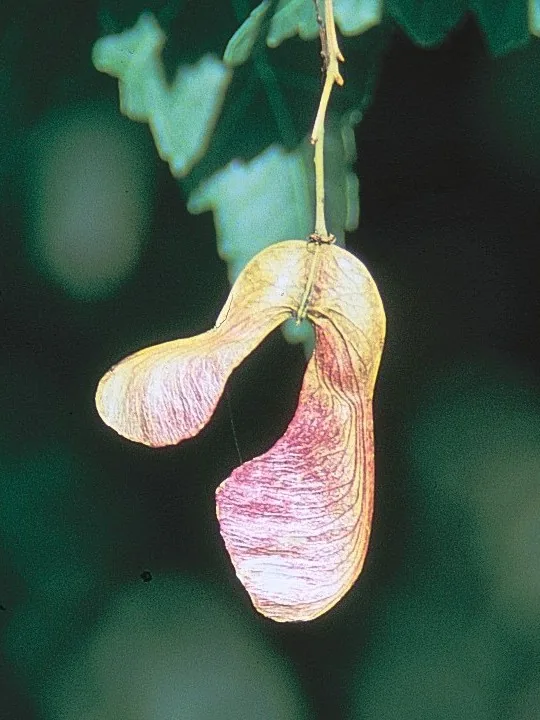
FLOWERS / FRUIT / SEEDS: Fragrant creamy-yellow flowers in late spring, followed by paired winged samaras that are often flushed pink-to-red and held nearly parallel — both ornamental and a clear maple identifier.
Look-alikes & how to tell them apart: Maples are identified by opposite leaves + paired winged samaras. Amur Maple specifically has small, three-lobed leaves with a long central lobe and brilliant red autumn color, distinguishing it from the five-lobed, blunt Field Maple and the deeply, sharply cut Japanese maple. Its red-tinged samaras are distinctive. Unlike hornbeam (alternate leaves, fluted trunk, winged seed bracts), Amur Maple has opposite leaves and true samaras.
Climate & USDA Zone
Hardy across USDA zones 3–8, making it suitable for very cold regions; it performs best in the cooler zones 3–6. It needs a true winter dormancy and is grown outdoors all year. In hot zones (7–8) it can suffer in summer heat, so provide afternoon shade and steady moisture. Even though it is exceptionally hardy, container roots should still be protected from the most extreme freezes.
Light
Full sun yields the most intense red autumn color and the tightest growth. In hot climates, light afternoon shade in midsummer prevents leaf scorch and heat stress. Spring and autumn sun is ideal.
Watering
Moderate, leaning dry. Water should be moderate: increase it during summer heat to keep the soil evenly moist, and keep the tree fairly dry over winter. This species is sensitive to wet soil, so the most likely problem is overwatering leading to root rot. Let the surface dry slightly between waterings, ensure the pot drains freely, and never let it stand in water. Avoid wetting the foliage to limit fungal disease.
Soil & Root Care
Use a free-draining, mostly inorganic mix — akadama, pumice, and lava in roughly equal parts. Sharp drainage is essential given its dislike of wet feet. Repot young trees every 1–2 years and mature trees every 2–3 years in early spring before bud break, pruning the roots and refreshing the substrate to maintain an open, oxygenated root zone.
Feeding
Feed regularly through the growing season, starting a few weeks after the spring flush hardens off and continuing into early autumn. Use a balanced organic fertilizer; reduce nitrogen on refined trees to keep leaves small and to encourage strong autumn color. Stop feeding before dormancy.
Pruning & Styling
Amur Maple responds well to clipping and builds ramification readily. Allow shoots to extend, then cut back to one or two pairs of leaves to force branching. Pinch growing tips through the season for refinement. As with all maples it can bleed sap, so make heavier structural cuts just before bud break or in summer rather than mid-spring. Wire young flexible shoots, padding the bark, and remove wire before it scars. Partial defoliation on healthy trees reduces leaf size and enhances ramification and fall color.
Propagation & Cuttings
Ease: Easy–moderate. Best methods: seed; softwood cuttings; air-layering.
Amur maple grows readily from its winged samaras: collect in autumn, and cold-moist stratify ~60–90 days before spring sowing (fresh green seed sown immediately can skip much dormancy). Softwood cuttings in early summer, treated with 0.1% IBA under mist, root at fair rates. Air-layering in spring is reliable and gives instant trunk size with good nebari — a favourite for bonsai. Cultivars don't come true from seed, so layer or graft those. Overall a forgiving, fast maple that responds well to cutting propagation.
Pests
Amur Maple is usually fairly pest-free. The main pest is aphids, which can build large colonies and cause leaf drop if unchecked; scale insects are an occasional problem, and spider mites can appear in hot, dry conditions. Inspect regularly and treat early with a water jet, horticultural/neem oil, insecticidal soap, or an appropriate insecticide for heavy infestations.
Disease, Fungus & Infection
The most serious disease is verticillium wilt, a soil-borne fungus: symptoms are wilting and dieback of branches, with infected sapwood stained a dark or olive-green. Severely infected trees usually cannot be saved; lightly affected trees showing only a few wilted branches may sometimes be pulled through by removing affected wood and improving vigor. General fungal leaf problems are minimized by watering the soil (not the leaves) and keeping good airflow. Use clean tools and remove infected material promptly to limit spread.
Most Common Causes of Death
1. Overwatering / root rot. Amur Maple is sensitive to wet soil — this is the most likely cause of problems. Prevention: free-draining mix, let the surface dry between waterings, keep it on the drier side especially in winter. 2. Verticillium wilt. Soil-borne fungus that can kill severely infected trees. Prevention: use clean substrate and tools, avoid stressing the tree, remove wilted branches and dispose of them; do not reuse contaminated soil. 3. Summer heat stress in warm zones. As a cold-climate species it struggles in prolonged heat. Prevention: afternoon shade and steady moisture in hot regions; ideally grow in zones 3–6. 4. Drying out in summer. Going bone-dry damages fine roots and foliage. Prevention: water more in summer heat; check daily. 5. Keeping it indoors. Denied dormancy and light it declines. Prevention: grow outdoors year-round. 6. Extreme winter root freeze in the pot. Hardy, but exposed container roots are vulnerable to the deepest freezes. Prevention: cold frame, mulch, or unheated shelter. 7. Heavy untreated aphid infestation. Large populations cause leaf drop and weaken the tree. Prevention: monitor and treat early.
Seasonal Calendar
- Spring: Repot before bud break in free-draining mix. Protect the new flush from late frost. Begin feeding once growth hardens. Enjoy the fragrant flowers; watch for aphids.
- Summer: Increase watering in heat but keep well-drained; afternoon shade in hot climates. Pinch and trim for ramification; partial defoliation on strong trees. Watch for spider mites and aphids.
- Autumn: Enjoy the brilliant scarlet color. Taper off feeding. Light pruning as leaves fall; assess structure. Prepare winter protection.
- Winter: Dormant and kept fairly dry — provide cold but protect pot roots from extreme freeze. Do structural pruning and wiring on the bare tree in late winter before buds swell.
Close-up photo reference
Compare your tree against these to confirm the species and spot problems early.


Sources
- Bonsai-BCI — Acer ginnala
- Bonsai Tree Gardener — Amur Maple Bonsai Tree Care Guide (Acer ginnala)
- University of Florida IFAS — Acer ginnala: Amur Maple
- North Carolina Extension Gardener Plant Toolbox — Acer tataricum subsp. ginnala
Where to buy a Amur Maple bonsai
We don’t stock Amur Maple at the moment. These species need similar care and we have them now — they are the closest match in our catalogue.
- Japanese Maple — similar care, in stock now
Browse all bonsai trees for sale or find a species matched to your climate and space.
- All species
- Shop bonsai trees, tools & supplies
- How to Water a Bonsai (Without Killing It)
- Bonsai Soil: What to Buy, What to Mix, and What It Costs
- Why Bonsai Die After Repotting: Diagnosing a Failed Repot
- Pruning vs. Pinching: Shaping Your Bonsai
- Overwintering Bonsai: Cold-Season Care
- Indoor Bonsai Light and Humidity: Making a Windowsill Actually Work
- Root Rot on bonsai
- Overwatering on bonsai
- Underwatering (Drought Stress) on bonsai
- Winter / Frost Damage on bonsai
- Leaf Scorch / Sunburn on bonsai
- Field Maple bonsai care
- Red Maple bonsai care
- Japanese Maple bonsai care
- Sugar Maple bonsai care