
Sugar Maple Bonsai Care
Acer saccharum
Zones 3 to 8, outdoor only. The tree that paints the northeastern forests of North America scarlet, orange. Most are lost to sun scorch.
Sapindaceae (the soapberry family, which includes all maples) · Deciduous broadleaf tree; outdoor bonsai
At a glance
- Type
- Deciduous
- Leaves
- Deciduous
- USDA zones
- 3 to 8
- Indoor or outdoor
- Outdoor
- Bonsai popularity
- Tier 2
Close-up photo reference
Compare your tree against these to confirm the species and spot problems early.
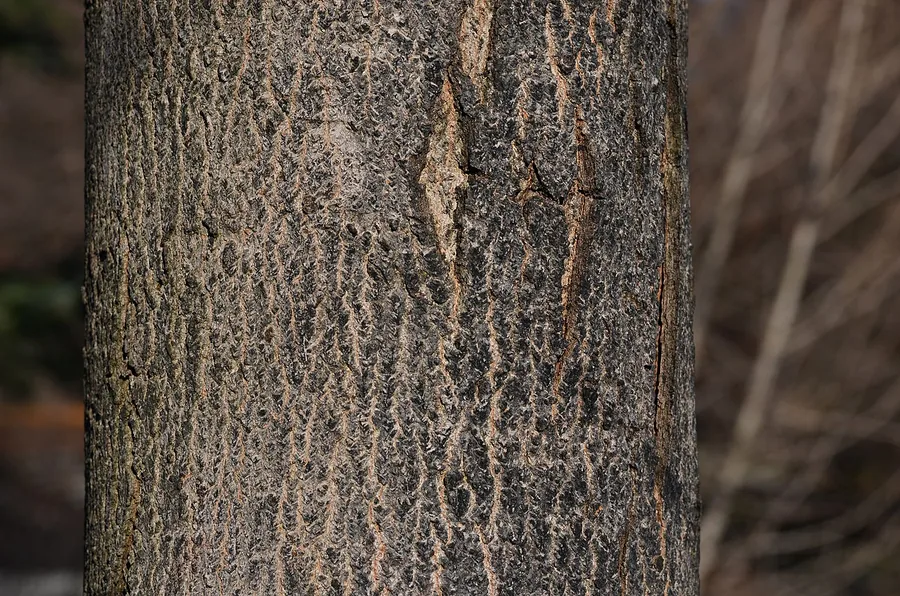

Sugar Maple quick reference
| USDA zones | 3 to 8 |
|---|---|
| Indoor / outdoor | Outdoor only; it needs real seasons and a true winter dormancy |
| Light | Full sun in spring and autumn; light afternoon shade in the hottest summers |
| Water | Evenly moist; never bone-dry, never waterlogged |
| Soil | Free-draining inorganic mix (akadama, pumice, lava) with a little organic matter |
| Repot | Every 2 to 3 years for young trees; every 3 to 5 years once mature |
| Frost | Very cold-hardy in the ground, but potted roots need protection below about 23°F (-5°C) |
| Mature height | 60 to 80 ft (18 to 24 m) at maturity in landscape plantings [s3] |
| Growth rate | Moderate to slow, about 1 ft (30 cm) of growth a year in most soils [s3] [s4] [s5] |
| Season of interest | Brilliant red, orange or yellow fall color; gray plated bark stands out in winter [s3] [s4] |
| Leaf reduction | Not rated by the sources we checked |
| #1 cause of death | Leaf scorch and root stress from heat, drought, and sun on a small pot |
Overview & Character
The sugar maple is the tree that paints the northeastern forests of North America scarlet, orange, and gold every autumn, and it is the source of maple syrup. As a bonsai it is admired for exactly that quality: few species deliver such a dramatic and reliable autumn color show. It builds a stout, upright trunk with age, dense ramification, and a naturally rounded crown that lends itself to formal and informal upright styles as well as broom form. The five-lobed leaves are larger than those of the Japanese maples most beginners start with, so sugar maple is usually grown at a slightly larger bonsai size where the leaf proportion looks right.
Sugar maple is a slower, more deliberate tree than the trident or Japanese maple, and it rewards patience. It is a cool-climate species at heart, genuinely at home in USDA zones 3 through 8, and it resents prolonged summer heat and dry wind more than cold. Grown well it is long-lived and develops beautiful gray, plated bark. The main challenge for a bonsai grower is managing the intense summer sun and heat load on a small volume of soil, because scorched, crisped leaf margins are this tree's signature complaint. Give it steady moisture and some afternoon relief in hot regions and it is a durable, spectacular subject.
Identification
Foliage: opposite leaves, 3 1/4 to 8 in (8 to 20 cm) across, with five lobes and smooth (not toothed) margins between the lobes and characteristically U-shaped sinuses. Summer color is a deep green, turning brilliant yellow, orange and red in autumn. Bark and trunk: young bark is smooth and gray-brown, maturing to darker gray with irregular vertical plates that lift at the edges on old trunks. Growth habit: upright with a dense, rounded to oval crown. Flowers and samaras: small yellow-green flowers hang in clusters in spring as the leaves open; the fruit is a paired samara ("helicopter") with the two wings held in a nearly horseshoe, roughly U-shaped angle.
Look-alikes & how to tell them apart: Sugar maple is most often confused with Norway maple (Acer platanoides), whose broken leaf stalk exudes a milky white sap while sugar maple's runs clear. Red maple (Acer rubrum) has toothed leaf margins and whitish undersides, unlike sugar maple's smooth-edged lobes. Like all maples, sugar maple has opposite leaves and paired samaras, which immediately separates it from oaks, elms and hackberries that carry alternate leaves.
Climate & USDA Zone
Sugar maple thrives across USDA zones 3 to 8 and is one of the most cold-tolerant maples available for bonsai. It needs a genuine winter to trigger and complete dormancy and will not perform as an indoor tree. Its weakness is heat, not cold: in zones warmer than 8, or during heat waves, the shallow pot bakes and the foliage scorches. If you garden in a hot-summer region, treat it as a cool-loving tree and manage sun exposure accordingly.
Light
Give sugar maple full sun through spring and autumn to fuel growth and drive the best autumn color. In climates with intense summer heat, move it into dappled or afternoon shade from roughly late June through August to prevent leaf scorch. In cool-summer regions it can take full sun all season. Insufficient light produces leggy shoots, oversized leaves and weak ramification, so err toward more light except during genuine heat stress.
Watering
Sugar maple likes to be kept evenly and consistently moist. It is not a species that tolerates drying out, and repeated wilting shows up permanently as scorched leaf edges. Water thoroughly whenever the surface of the soil begins to dry, which in summer often means daily and sometimes twice daily for a small pot in sun. At the same time it will not tolerate standing water, so the mix must drain freely. The target is a sponge that is always damp but never sodden. Reduce watering in winter dormancy to just keeping the root ball from fully drying out.
Soil & Root Care
Use a free-draining, mostly inorganic bonsai mix: a common blend is akadama, pumice and lava rock in roughly equal parts, with a modest fraction of organic matter to help hold moisture in hot weather. Sugar maple is a vigorous, fibrous rooter. Repot young trees every 2 to 3 years and mature specimens every 3 to 5 years, in early spring just as the buds swell but before they fully open. Rake out the old soil, prune back the heaviest roots and any circling roots, and never bare-root more than about a third at once on an established tree. Good root work builds the flared nebari that makes a maple convincing.
Feeding
Feed to support steady, controlled growth rather than a rush of soft, oversized leaves. Begin feeding a few weeks after the leaves have hardened off in spring and continue through the growing season, easing off in high summer heat and stopping as the tree shuts down in autumn. A balanced organic fertilizer works well; a lower-nitrogen feed late in the season supports root storage and stronger autumn color. Avoid heavy nitrogen on refined trees because it inflates leaf size and coarsens ramification.
Pruning & Styling
Sugar maple suits formal upright, informal upright and broom styles. Do structural pruning in late winter while dormant, sealing larger cuts. During the growing season, let new shoots extend to several nodes, then cut back to one or two pairs of leaves to build ramification. Because the leaves are large, partial or full defoliation of healthy, established trees in early summer can reduce leaf size and improve interior light and color, but do it sparingly and only on vigorous trees. Wiring is best done on young, still-flexible shoots; watch it closely as maple bark marks easily and branches thicken fast.
Seasonal Calendar
- Spring: Repot as buds swell (every 2 to 3 years). Let new growth extend, then begin pinching and cut-back once leaves harden. Start feeding a few weeks after leaf-out. Watch for aphids.
- Summer: Water heavily and often; provide afternoon shade in hot regions to prevent scorch. Optional partial defoliation on vigorous trees in early summer. Ease feeding during heat.
- Autumn: Enjoy the color display. Reduce feeding, then stop. Do light clean-up pruning. Clear fallen leaves to limit fungal spores.
- Winter: Fully dormant. Protect the roots from hard freezes. Do structural pruning in late winter and seal large cuts. Water only enough to keep roots from drying out.
Care calendar by month
- Repot and root-prune: March
- Prune, wire and shape: February, June to July
- Feed: April to September
- Air-layer or take cuttings: May to June
Propagation & Cuttings
Ease: Moderate. Best methods: seed; air-layering.
Acer saccharum grows from its autumn samaras: cold-moist stratify ~2 to 3 months (fresh seed can have deep dormancy) before spring sowing; germination is fair. Softwood cuttings root poorly, so choice trees are air-layered (spring) or grafted. For bonsai the brilliant autumn color is the draw, but the large leaves reduce only moderately, so it suits larger sizes; seedlings and layers develop steadily, and the species prefers cool roots and dislikes heat stress.
Pests
Aphids cluster on soft new growth and secrete honeydew that leads to sooty mold; blast them off or treat with insecticidal soap. Scale insects appear as bumps on stems and are managed with horticultural oil. Spider mites flare up in hot, dry conditions and cause stippled, dull foliage; raise humidity and hose the leaves down. Maple also hosts various caterpillars and, occasionally, borers in weakened wood; keeping the tree vigorous is the best defense.
Disease, Fungus & Infection
The most important disease is verticillium wilt, a soil-borne fungus that causes sudden wilting and dieback of whole branches, sometimes with dark streaking in the wood; there is no cure, so prune out affected limbs, sterilize tools, and remove badly infected trees. Tar spot produces harmless but unsightly black blotches on leaves and is managed by cleaning up fallen foliage. Anthracnose and powdery mildew appear in wet, crowded conditions and are reduced by good airflow, careful watering that keeps foliage dry, and removing debris. Sun-scorched, weakened tissue invites secondary infection, so preventing heat stress is also disease prevention.
Most Common Causes of Death
1. Leaf scorch and root stress from heat, drought and sun on a small pot. This is the number-one killer of sugar maple bonsai: the shallow container overheats, the roots dry and cook, and repeated stress cascades into dieback. Keep the soil evenly moist, shade the pot and provide afternoon shade in hot summers. 2. Verticillium wilt. A fatal soil-borne fungus. Use clean soil and tools, avoid stressing the tree, and remove infected material promptly. 3. Missing winter dormancy from indoor keeping. Sugar maple must experience cold. Kept indoors it slowly weakens and dies; overwinter it outdoors with root protection. 4. Waterlogging and root rot. A dense, water-retentive mix suffocates the roots. Use a free-draining substrate and never let the pot sit in standing water. 5. Root freeze in the pot. Very hardy in the ground, but exposed potted roots can freeze. Protect below about 23°F (-5°C) by heeling the pot in or moving it to a cold but sheltered spot.
Sources
- Bonsai Empire: Maple care
- Wikipedia: Acer saccharum
- UF/IFAS Extension: Acer saccharum: Sugar Maple (ENH-210/ST051)
- NC State Extension: Acer saccharum (Northern Sugar Maple), North Carolina Extension Gardener Plant Toolbox
- The Morton Arboretum: Sugar Maple
Where to buy a Sugar Maple bonsai
We don’t stock Sugar Maple at the moment. These species need similar care and we have them now, they are the closest match in our catalogue.
- Trident Maple, similar care, in stock now
Browse all bonsai trees for sale or find a species matched to your climate and space.
- All species
- Shop bonsai trees, tools & supplies
- How to Water a Bonsai (Without Killing It)
- Bonsai Soil: What to Buy, What to Mix, and What It Costs
- Why Bonsai Die After Repotting: Diagnosing a Failed Repot
- Pruning vs. Pinching: Shaping Your Bonsai
- Overwintering Bonsai: Cold-Season Care
- Indoor Bonsai Light and Humidity: Making a Windowsill Actually Work
- Root Rot on bonsai
- Underwatering (Drought Stress) on bonsai
- Winter / Frost Damage on bonsai
- Leaf Scorch / Sunburn on bonsai
- Insufficient Light (Etiolation) on bonsai
- Amur Maple bonsai care
- Field Maple bonsai care
- Red Maple bonsai care
- Sycamore Maple bonsai care
- Trident Maple bonsai care