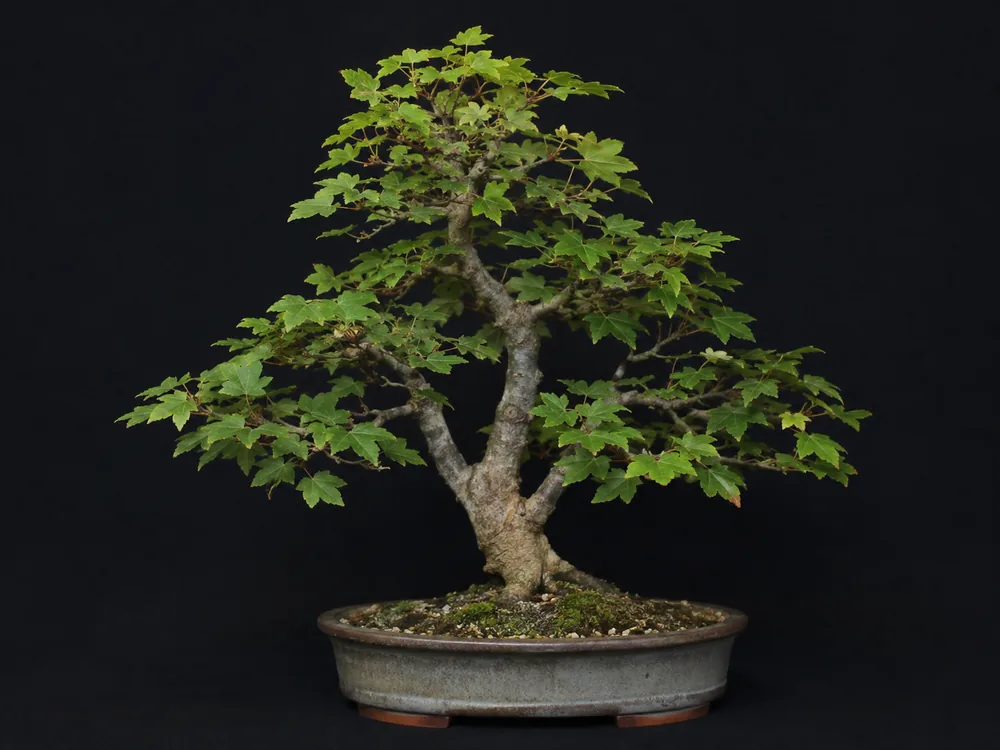
Field Maple Bonsai Care
Acer campestre
Zones 5 to 8, outdoor. A tough, cold-hardy European native and a superb deciduous bonsai. Most are lost to overwatering.
Sapindaceae (formerly Aceraceae; maple family) · Deciduous broadleaf tree, grown as an outdoor bonsai
Field Maple quick reference
| USDA zones | 5–8 |
|---|---|
| Indoor / outdoor | Outdoor year-round — needs a real winter dormancy |
| Light | Full sun to partial shade; light shade in peak summer heat protects leaves |
| Water | Moderate, leaning moist — likes more water than many maples, but let the top dry slightly between waterings; never waterlogged |
| Soil | Free-draining mix (akadama / pumice / lava) with a little organic component |
| Repot | Young trees every 1–2 years; mature trees every 2–3 years, early spring |
| Frost | Excellent cold tolerance; protect pot roots from hard freeze |
| Mature height (as bonsai) | Tree to 20 m; kept 25-60 cm as bonsai |
| Growth rate | Moderate |
| Season of interest | Fresh spring green, gold-yellow autumn colour |
| Leaf reduction | Excellent with defoliation |
| #1 cause of death | Overwatering / root rot, and fungal infection on wet foliage in poor airflow |
Overview & Character
Field Maple is a tough, cold-hardy European native and a superb deciduous bonsai. Its leaves are small (especially compared to most Japanese maples), with five rounded, blunt lobes, and they turn a warm butter-yellow to golden in autumn. It is vigorous, adaptable, and forgiving, tolerating drier soils better than many maples while still appreciating steady moisture. It builds good ramification, takes hard pruning well, and develops attractive bark with age — sometimes with corky ridges on the twigs. Reliable, beginner-friendly, and undemanding apart from its dislike of soggy roots and wet foliage.
Identification
FOLIAGE: Opposite, palmate leaves with five rounded, blunt lobes (occasionally three), typically small and dark green, turning clear yellow to gold in autumn. The blunt, rounded lobes distinguish it from the sharp-pointed lobes of Japanese maple. Leaves and twigs often exude a milky sap when cut.
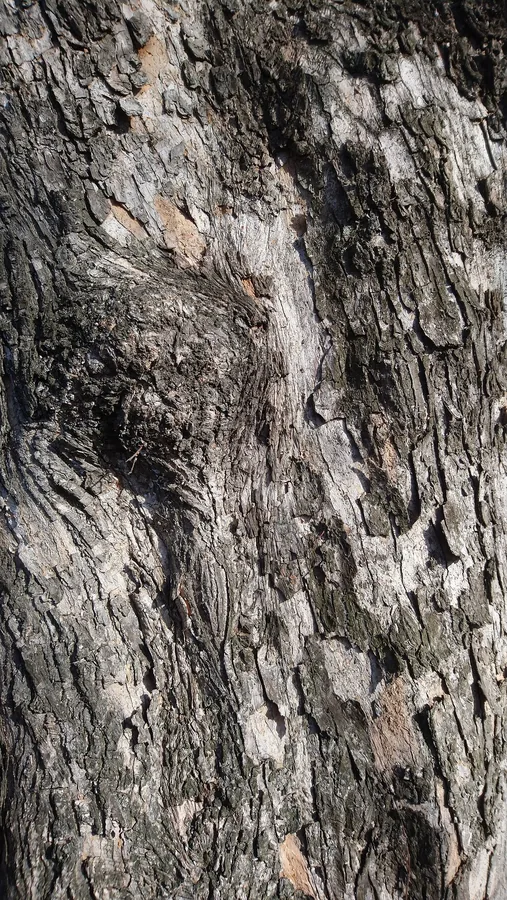
BARK & TRUNK: Grey-brown bark that becomes finely fissured and corky with age; young twigs frequently develop distinctive corky wings/ridges. Trunks thicken readily and look mature relatively young.
GROWTH HABIT / FORM: Naturally a small-to-medium rounded tree or large hedging shrub (hence "hedge maple"). Dense, twiggy, and very responsive to clipping.
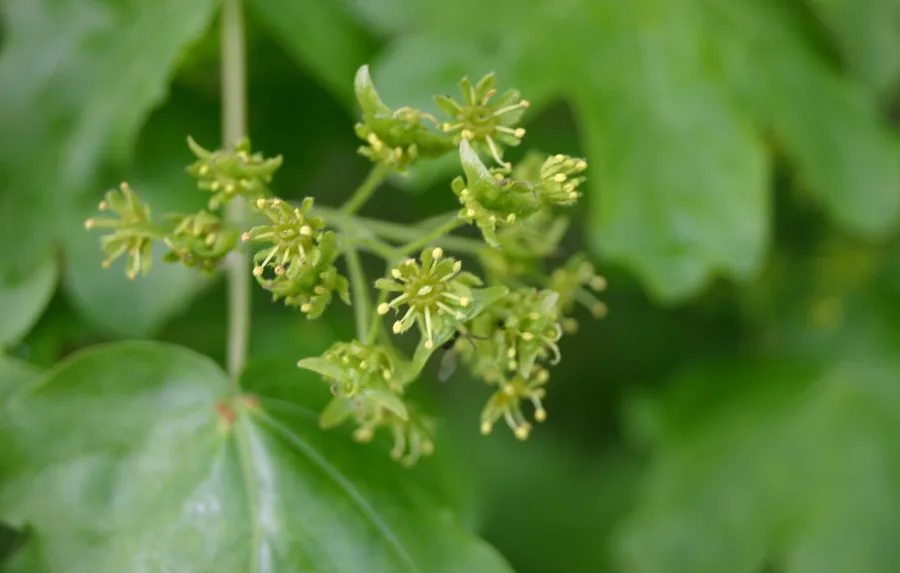
FLOWERS / FRUIT / SEEDS: Small greenish-yellow flowers in spring, followed by paired winged seeds (samaras) whose wings are set in a near-horizontal straight line — a maple hallmark.
Look-alikes & how to tell them apart: Maples are identified by their opposite leaves + paired winged samaras. Field Maple specifically has blunt, rounded five-lobed leaves and corky-winged twigs, separating it from sharp-lobed Japanese maple (Acer palmatum) and from the larger, sharply lobed Norway and sycamore maples. Hornbeam and elm have alternate, single leaves (no pairs) and different seeds — and hornbeam has a fluted trunk.
Climate & USDA Zone
Hardy in USDA zones 5–8 with excellent cold tolerance and good adaptability to seasonal swings. It requires a genuine winter dormancy and should be grown outdoors all year. In the warmest zones, provide afternoon shade in summer to avoid leaf scorch. Verify your exact zone on the USDA Plant Hardiness Zone Map before relying on cold-edge survival in a pot.
Light
Full sun produces the best color and tightest growth, but in very hot climates light afternoon shade prevents the leaf edges from scorching. Spring and autumn sun is ideal. Bright light keeps internodes short and supports strong ramification.
Watering
Moderate, leaning to the moist side. Field Maple prefers slightly more water than some other trees and dislikes drying out. From spring to autumn it needs continuous watering — in hot summer weather it may need watering twice a day. Keep the soil evenly moist but allow the surface to dry slightly between waterings to avoid the opposite danger: overwatering and root rot. In winter keep the soil just moist, not wet. Always water the rootball, not the leaves (see Disease).
Soil & Root Care
Use a free-draining bonsai mix — akadama, pumice, and lava in roughly equal parts, with a small organic component to help retain the moisture this species likes. Good drainage prevents the waterlogging that leads to root rot. Repot young trees every 1–2 years and mature trees every 2–3 years in early spring before the buds open, root-pruning and refreshing the substrate to keep the root zone healthy and free of compaction.
Feeding
Feed throughout the growing season from spring (once the first flush has hardened) into early autumn. A balanced organic fertilizer supports vigor and ramification; reduce nitrogen on refined trees to keep leaves small. Stop feeding before dormancy.
Pruning & Styling
Field Maple is highly responsive to clipping (it was bred for hedging) and builds ramification quickly. Let shoots extend, then cut back to one or two pairs of leaves to encourage division. Pinch growing tips through the season for refinement. Do structural pruning in late winter to early spring; note maples can "bleed" sap, so heavy cuts are best made just before bud break or in summer. Wire young, flexible shoots and protect the bark; remove wire before it bites in. Partial defoliation on healthy trees reduces leaf size and improves autumn color and ramification.
Propagation & Cuttings
Ease: Moderate. Best methods: seed; layering; cuttings.
Acer campestre grows from its paired samaras — collect in autumn and cold-moist stratify ~3–4 months (or sow fresh green seed to bypass much dormancy) before spring sowing; germination is good. Softwood cuttings in early summer root at moderate rates with IBA under mist, and air-layering in spring is reliable for larger stock. For bonsai the small leaves and corky bark are ideal; layering builds trunk quickly, and this tough native back-buds and reduces well.
Pests
Field Maple can be troubled by aphids (clustering on soft new growth), spider mites (hot, dry conditions — stippled leaves, fine webbing), caterpillars, and scale insects. Inspect leaf undersides regularly. Manage with physical removal, a strong water spray, horticultural/neem oil or insecticidal soap, and an appropriate insecticide only if infestations are heavy.
Disease, Fungus & Infection
Maples are prone to fungal infections, including leaf-spot and mildew problems, and (in maples generally) verticillium wilt. The key prevention is to avoid wetting the foliage — water only the rootball, because water splashing across leaves spreads fungal spores. Ensure good air circulation, which keeps foliage drier, reduces disease, and supports healthy growth. Remove and dispose of any infected leaves or wilted branches promptly.
Most Common Causes of Death
1. Overwatering / root rot. Despite liking moisture, the roots rot in waterlogged soil. Prevention: free-draining substrate; let the surface dry slightly before rewatering; never leave it standing wet. 2. Fungal infection from wet foliage and poor airflow. Prevention: water the soil not the leaves, space the tree for good air circulation, remove infected material. 3. Drying out in summer heat. This species dislikes drought and can lose foliage or die back if it desiccates. Prevention: check daily in summer; water up to twice a day in heat. 4. Winter root freeze in the pot. Hardy in ground, but container roots are vulnerable. Prevention: cold frame, mulch, or unheated shelter over winter. 5. Keeping it indoors. Without dormancy and full light it weakens and declines. Prevention: grow outdoors year-round. 6. Sap bleeding from badly timed heavy pruning. Large cuts at the wrong time stress the tree. Prevention: do major cuts just before bud break or in summer. 7. Untreated pest infestations. Heavy aphid/mite/scale loads weaken the tree. Prevention: inspect and treat early.
Seasonal Calendar
- Spring: Repot before bud break. Protect tender new growth from late frost. Begin feeding once the flush hardens. Watch for aphids on new shoots.
- Summer: Water generously (up to twice daily in heat) but keep well-drained; afternoon shade in extreme heat. Pinch and trim for ramification; partial defoliation on strong trees. Watch for spider mites and keep airflow good.
- Autumn: Enjoy the golden-yellow color. Taper off feeding. Light pruning as leaves drop; assess structure. Prepare winter protection.
- Winter: Dormant — provide cold but shield roots from hard freeze. Do structural pruning and wiring on the bare tree in late winter before buds swell. Keep soil just barely moist.
Close-up photo reference
Compare your tree against these to confirm the species and spot problems early.


Sources
- Bonsai-BCI — Acer campestre
- Miyagi Bonsai — Field Maple Bonsai Care Guide
- Bonsai Tree Gardener — Field Maple Bonsai Tree Care Guide (Acer campestre)
- Bonsai Empire — Maple Bonsai care guide
Where to buy a Field Maple bonsai
We don’t stock Field Maple at the moment. These species need similar care and we have them now — they are the closest match in our catalogue.
- Japanese Maple — similar care, in stock now
Browse all bonsai trees for sale or find a species matched to your climate and space.
- All species
- Shop bonsai trees, tools & supplies
- How to Water a Bonsai (Without Killing It)
- Bonsai Soil: What to Buy, What to Mix, and What It Costs
- Why Bonsai Die After Repotting: Diagnosing a Failed Repot
- Pruning vs. Pinching: Shaping Your Bonsai
- Overwintering Bonsai: Cold-Season Care
- Indoor Bonsai Light and Humidity: Making a Windowsill Actually Work
- Root Rot on bonsai
- Overwatering on bonsai
- Underwatering (Drought Stress) on bonsai
- Winter / Frost Damage on bonsai
- Leaf Scorch / Sunburn on bonsai
- Amur Maple bonsai care
- Red Maple bonsai care
- Japanese Maple bonsai care
- Sugar Maple bonsai care