
Red Maple Bonsai Care
Acer rubrum
Zones 3 to 9, outdoor only. One of the most widespread and adaptable trees in eastern North America. Most are lost to drying out.
Sapindaceae (the soapberry family, which includes all maples) · Deciduous broadleaf tree; outdoor bonsai
At a glance
- Type
- Deciduous
- Leaves
- Deciduous
- USDA zones
- 3 to 9
- Indoor or outdoor
- Outdoor
- Growth rate
- Fast
- Bonsai popularity
- Tier 2
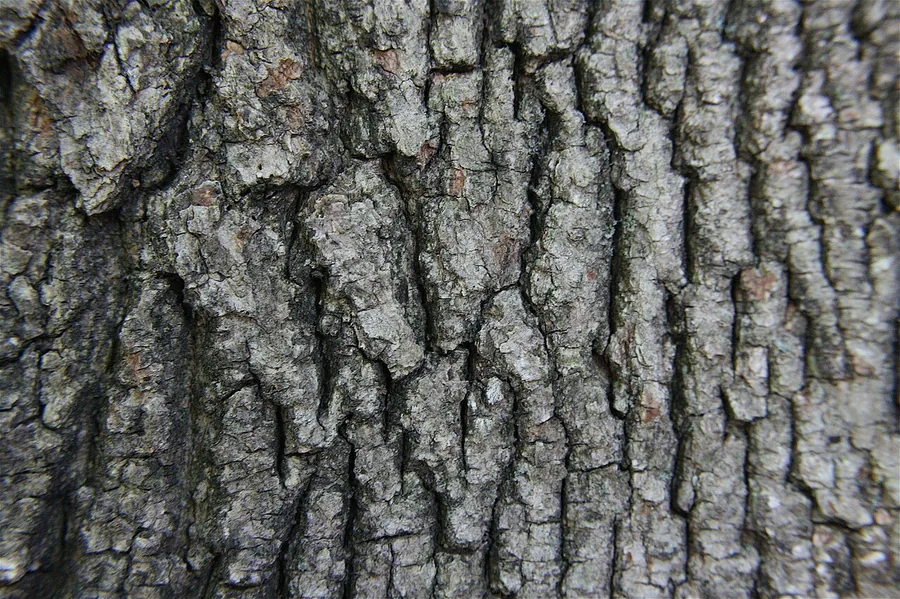
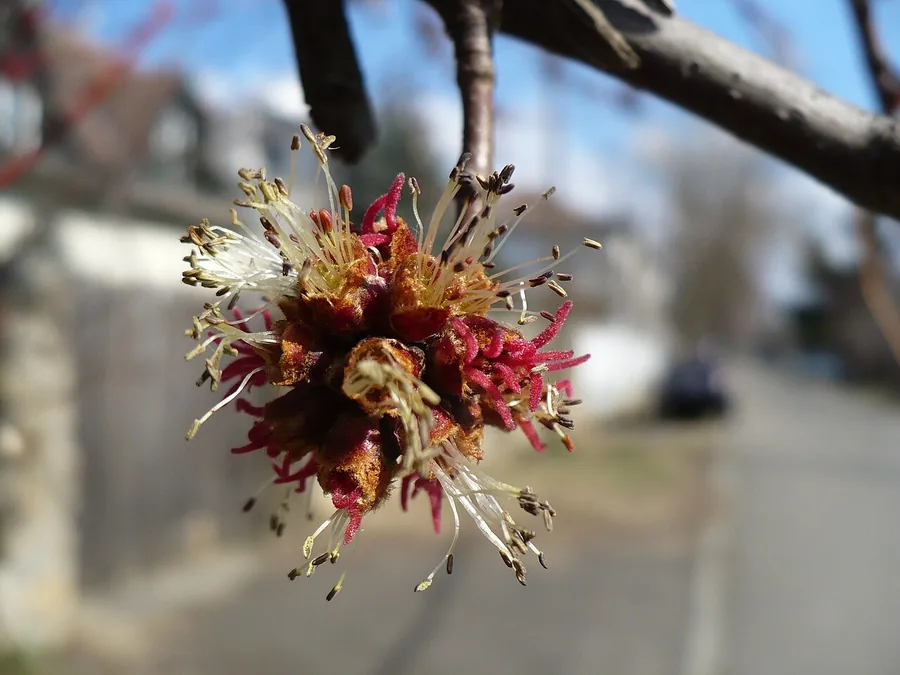
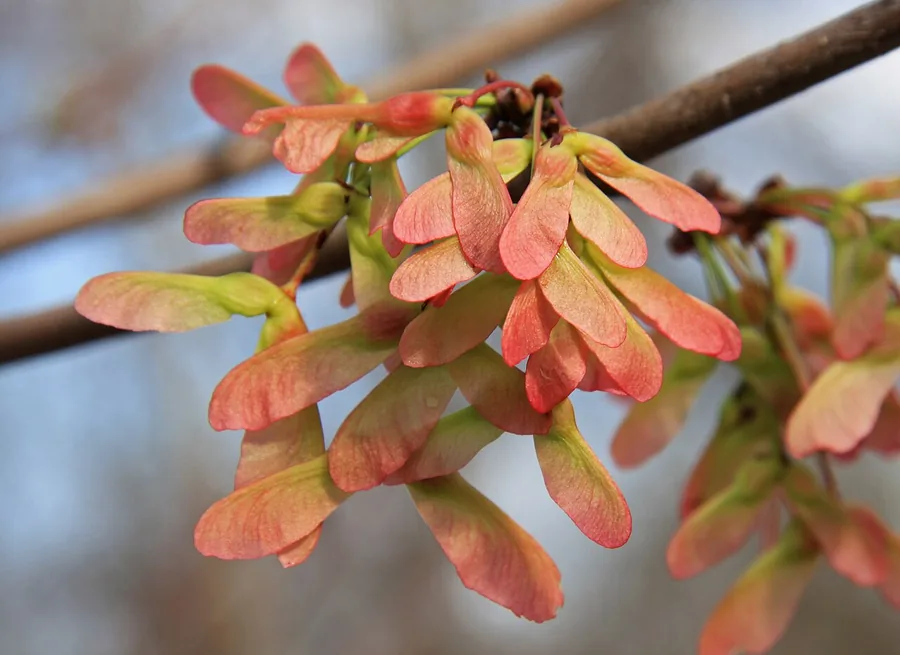
Close-up photo reference
Compare your tree against these to confirm the species and spot problems early.
.JPG)


Red Maple quick reference
| USDA zones | 3 to 9 |
|---|---|
| Indoor / outdoor | Outdoor only; it needs a real winter dormancy |
| Light | Full sun to part shade; afternoon shade helps in very hot climates |
| Water | Moisture-loving; tolerates wet better than most maples, dislikes drought |
| Soil | Free-draining bonsai mix that still holds moisture (akadama, pumice, lava with some organic) |
| Repot | Every 2 to 3 years for young trees; every 3 to 4 years once mature |
| Frost | Very cold-hardy in the ground; protect potted roots below about 23°F (-5°C) |
| Mature height | 60 to 75 ft (18 to 23 m) in the landscape [s3] |
| Growth rate | Fast [s3] [s5] |
| Season of interest | Red flowers in late winter to early spring; red, orange or yellow fall color [s3] |
| Leaf reduction | Leaves run larger than Japanese maple but get smaller with regular pruning [s4] |
| #1 cause of death | Drought and drying out of the root ball in a shallow pot |
Overview & Character
The red maple is one of the most widespread and adaptable trees in eastern North America, found from Canadian swamps to Florida flatwoods, and that adaptability makes it a forgiving bonsai subject. Its common name is well earned: it flushes red twigs and flowers in early spring before the leaves, carries reddish leaf stalks through summer, and ignites into brilliant scarlet and crimson in autumn, often the most vivid red of any maple. It builds an upright trunk with an oval to rounded crown and takes readily to informal upright and broom styles.
Compared with the sugar maple, red maple is faster growing, more tolerant of wet soil, and more heat-tolerant, ranging comfortably through USDA zones 3 to 9. It is classed among the "soft maples" for its lighter wood, which means it responds quickly to pruning and builds ramification at a satisfying pace. Its chief bonsai challenge is the opposite of its swamp reputation: in a small pot it dries out fast and a dried-out root ball is the quickest way to lose it. Kept steadily moist and given a real winter, red maple is a robust, colorful and rewarding tree.
Identification
Foliage: opposite leaves, typically 2 to 4 in (5 to 10 cm) long, with three to five lobes and coarsely toothed (serrated) margins; the underside is distinctly whitish or pale gray-green, and the leaf stalk is often red. Autumn color is usually a strong red to scarlet. Bark and trunk: young bark is smooth and light gray, roughening and darkening into shaggy plates with age. Growth habit: upright, with an oval crown. Flowers and samaras: small red (sometimes yellowish) flowers appear in dense clusters in very early spring before leaf-out; the paired samaras are small, often reddish, and ripen in late spring.
Look-alikes & how to tell them apart: Red maple is separated from sugar maple by its toothed leaf margins and whitish leaf undersides (sugar maple has smooth margins and green undersides). Silver maple (Acer saccharinum) has more deeply cut, sharply pointed lobes and a more silvery underside. Like all maples, red maple has opposite leaves and paired samaras, distinguishing it at a glance from elms, hackberries and oaks, which bear alternate leaves.
Climate & USDA Zone
Red maple is exceptionally adaptable, thriving across USDA zones 3 to 9, which is a broader range than most maples used for bonsai. It handles both cold northern winters and warm southern summers better than the sugar maple. It still requires a genuine cold dormancy each winter and is strictly an outdoor tree. In its native range it often grows with wet feet, which is why it tolerates a moisture-retentive soil and heavy watering better than its cousins.
Light
Red maple performs well in full sun to partial shade. Full sun gives the strongest structure, tightest internodes and best autumn color, but in regions with fierce summer heat some afternoon shade protects the foliage from scorching and reduces water stress. In too much shade the tree grows leggy with oversized leaves and poor color, so lean toward more sun and back off only if the leaves show heat damage.
Watering
Red maple is a moisture-loving, wet-tolerant tree: in the wild it grows in swamps and along streams, so it likes to be kept consistently moist and forgives the occasional soggy spell far better than other maples. What it does not forgive is drought. In a bonsai pot it draws water quickly, so check daily in the growing season and often twice a day in summer heat. Still, use a draining mix so the roots get oxygen; "moist" means reliably damp, not permanently flooded. Reduce watering in winter to keep the root ball from drying out completely.
Soil & Root Care
Use a free-draining bonsai substrate that still retains a fair amount of moisture: akadama, pumice and lava rock with a slightly higher share of organic component works well for this thirsty species. Red maple is a strong, fibrous rooter and grows fast, so repot young trees every 2 to 3 years and mature ones every 3 to 4 years, in early spring as the buds swell. Comb out the old soil, prune circling and thick roots, and remove no more than about a third of the root mass on an established tree. Regular root work develops a wide, stable nebari.
Feeding
Feed for steady growth from after the spring leaves harden through to autumn, pausing during any severe summer heat. A balanced organic fertilizer suits it well. As with all maples, avoid excessive nitrogen on refined trees because it swells the leaves and coarsens the fine branching you are working to build. A feed lower in nitrogen toward the end of the season supports root reserves and enhances the red autumn display. Stop feeding once the tree begins shutting down for dormancy.
Pruning & Styling
Red maple takes well to informal upright, formal upright and broom styles. Carry out structural pruning in late winter while dormant, and seal larger wounds. In the growing season, allow shoots to extend a few nodes then cut back to one or two leaf pairs to develop ramification; the soft, quick-responding wood back-buds readily. Because its leaves are moderately sized, partial defoliation of vigorous, healthy trees in early summer can reduce leaf size and open the interior. Wire young, flexible branches and check often, as the bark marks and the wood thickens quickly.
Seasonal Calendar
- Spring: Enjoy the early red flowers, then repot as buds swell (every 2 to 3 years). Let new growth extend, then pinch and cut back once leaves harden. Begin feeding after leaf-out. Watch for aphids.
- Summer: Water heavily and consistently; provide afternoon shade in hot regions. Optional partial defoliation on vigorous trees. Ease feeding in extreme heat.
- Autumn: Enjoy the strong red color. Taper and then stop feeding. Do light clean-up pruning and clear fallen leaves.
- Winter: Fully dormant. Protect roots from hard freezes. Do structural pruning in late winter and seal large cuts. Water sparingly, only to prevent drying out.
Care calendar by month
- Repot and root-prune: March
- Prune, wire and shape: February, June to July
- Feed: April to September
- Air-layer or take cuttings: May to June
Propagation & Cuttings
Ease: Moderate. Best methods: seed; softwood cuttings; air-layering.
Acer rubrum seeds ripen in late spring and, sown fresh at once, germinate immediately with little or no dormancy (a distinctive early-seeding maple). Softwood cuttings in early summer under mist with IBA root at moderate rates, and air-layering in spring is reliable for trunk-size stock. Cultivars won't come true from seed, so layer or graft those. For bonsai the brilliant autumn color is the draw; the species is vigorous, back-buds well, and develops quickly from seed or layers.
Pests
Aphids gather on tender new shoots and produce honeydew and sooty mold; rinse them off or use insecticidal soap. Scale insects show as small bumps on twigs and respond to horticultural oil. Spider mites become a problem in hot, dry air, stippling and dulling the leaves; increase humidity and hose the foliage. Various caterpillars may chew the leaves, and stressed trees can attract borers, so vigor is the best insurance.
Disease, Fungus & Infection
Verticillium wilt is the most serious threat, a soil-borne fungus causing sudden branch wilt and dieback with no cure; prune out affected wood, sterilize tools between cuts, and dispose of severely infected trees. Anthracnose and leaf spot fungi cause blotching in wet, crowded conditions and are reduced with good airflow, careful watering that keeps foliage dry, and clearing fallen leaves. Tar spot produces cosmetic black leaf blotches managed by sanitation. Root rot follows genuinely stagnant, airless soil despite the tree's wet tolerance, so keep the mix draining freely.
Most Common Causes of Death
1. Drought and drying out of the root ball in a shallow pot. Despite being a swamp tree, red maple in a bonsai pot dies fastest from being allowed to dry out; a fully desiccated root ball is often fatal. Keep it consistently moist and check daily in the growing season. 2. Verticillium wilt. A fatal soil-borne fungus. Use clean soil and tools, keep the tree healthy, and remove infected material. 3. Missing winter dormancy from indoor keeping. Red maple needs real cold each year; kept indoors it declines and dies. Overwinter outdoors with root protection. 4. Root freeze in the pot. Fully hardy in the ground but the exposed potted roots are vulnerable; protect below about 23°F (-5°C). 5. Root rot from truly stagnant soil. Even a wet-tolerant maple suffocates in airless mix. Use a free-draining substrate and avoid a pot standing in water.
Sources
- Bonsai Empire: Maple care
- Wikipedia: Acer rubrum
- UF/IFAS Extension (Ask IFAS): ST041 Acer rubrum: Red Maple
- Bonsai Empire: Red maple (Acer rubrum) bonsai care
- NC State Extension Plant Toolbox: Acer rubrum
Where to buy a Red Maple bonsai
We don’t stock Red Maple at the moment. These species need similar care and we have them now, they are the closest match in our catalogue.
- Japanese Maple, similar care, in stock now
Browse all bonsai trees for sale or find a species matched to your climate and space.
- All species
- Shop bonsai trees, tools & supplies
- How to Water a Bonsai (Without Killing It)
- Bonsai Soil: What to Buy, What to Mix, and What It Costs
- Why Bonsai Die After Repotting: Diagnosing a Failed Repot
- Pruning vs. Pinching: Shaping Your Bonsai
- Overwintering Bonsai: Cold-Season Care
- Indoor Bonsai Light and Humidity: Making a Windowsill Actually Work
- Root Rot on bonsai
- Underwatering (Drought Stress) on bonsai
- Winter / Frost Damage on bonsai
- Leaf Scorch / Sunburn on bonsai
- Spider Mites on bonsai
- Amur Maple bonsai care
- Field Maple bonsai care
- Sugar Maple bonsai care
- Japanese Maple bonsai care
- Sycamore Maple bonsai care
- Tamarisk bonsai care