Indoor in most climates; outdoors year-round only in frost-free tropical/subtropical zones
Light
Bright, indirect light; tolerates some direct sun once acclimated
Water
Keep evenly moist; let the top of the soil dry slightly between waterings; avoid soggy roots
Soil
Free-draining bonsai mix (e.g. akadama, pumice and lava, or a peat/bark/grit blend)
Repot
Every 2 to 3 years for younger trees; older trees every 3 to 5 years
Frost
Tender: keep above about 55 to 59°F (12 to 15°C); leaf and root damage below ~50°F (10°C)
Mature height
40 to 60 ft (12 to 18 m) as a landscape tree; far smaller indoors [s3]
Growth rate
Fast [s3]
Season of interest
Evergreen; drooping branches and smooth gray bark, no showy flowers or fall color [s3]
Leaf reduction
Not rated by the sources we checked
#1 cause of death
Insufficient light plus overwatering, leading to leaf drop and root rot
Overview & Character
The Weeping Fig is one of the most widely grown indoor bonsai and a forgiving introduction to tropical species. Native to Asia and northern Australia, it forms a graceful, dense canopy of glossy leaves on gently arching branches, which gives the tree its "weeping" name. In the wild it is a large tree that can develop dramatic aerial roots and fused trunks, and skilled growers use this tendency to build banyan-style and root-over-rock bonsai.
As a bonsai it is prized for its vigor, its readiness to back-bud on old wood, and its ability to thicken quickly. It handles indoor conditions better than many tropicals, but it is notorious for one habit: sudden leaf drop when it is moved, chilled, or its watering routine changes. Once settled in a stable spot, it rewards steady care with fast, satisfying growth.
Identification
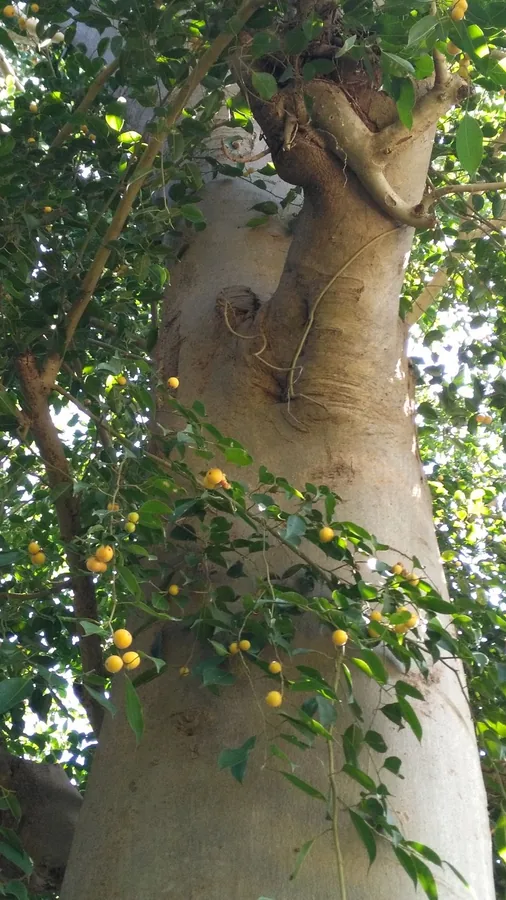
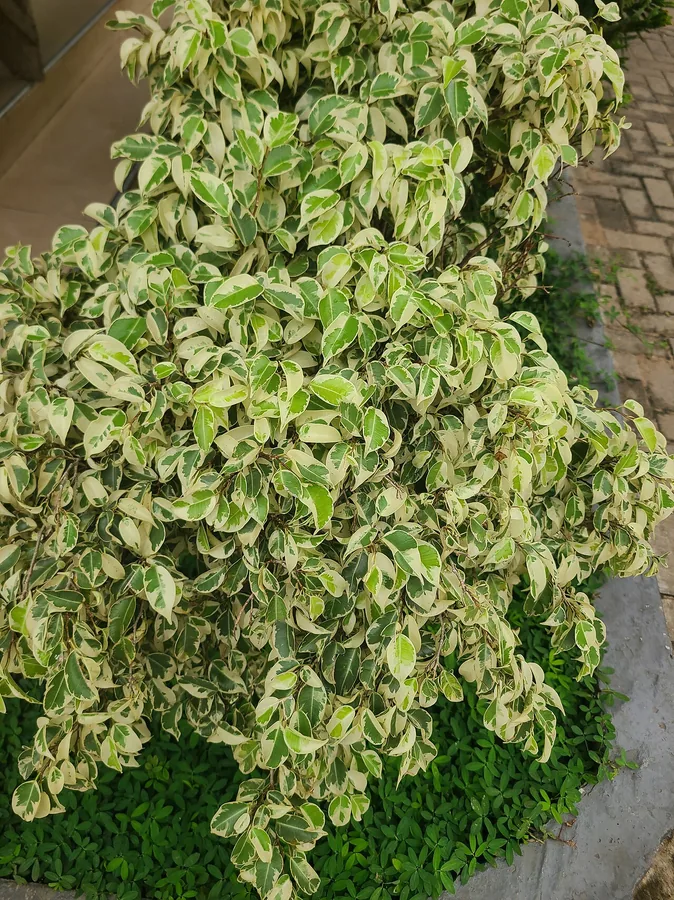
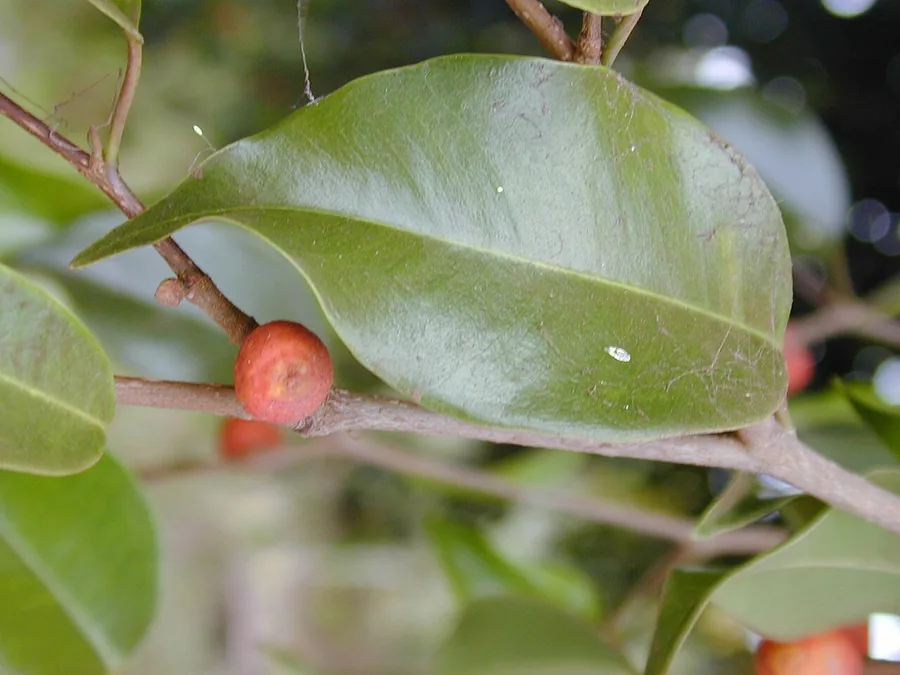
Foliage is glossy, elliptical, and pointed, typically 2 to 5 in (5 to 12 cm) long, mid-to-dark green (variegated cultivars exist). New growth emerges pale green from a papery sheath. The bark is smooth and pale gray, often developing lighter mottling with age. The habit is a rounded, drooping canopy on slender, flexible branches. Mature specimens in the ground produce hanging aerial roots and can fuse trunks into a buttressed, banyan-like base. Figs (small, round, orange-red synconia) appear on large outdoor trees but rarely on indoor bonsai. A milky white latex bleeds from cut stems, normal for the genus.
Look-alikes & how to tell them apart: Often confused with other bonsai figs. Ficus microcarpa (Chinese Banyan / "Ginseng ficus") has blunter, rounder leaf tips and frequently a swollen, bulbous root mass sold as a "ginseng" base. Ficus retusa has thicker, more leathery leaves. Ficus benjamina is distinguished by its slimmer, sharply pointed leaves and distinctly drooping, willowy branch tips.
Climate & USDA Zone
Hardy outdoors only in USDA zones 10 to 12, roughly matching frost-free tropical and subtropical climates. Everywhere colder it is grown as an indoor bonsai, moved outside only during warm, frost-free months. It thrives in warmth and humidity and resents cold, dry air and sudden temperature swings.
Light
Give it the brightest indoor position available: an east, west, or lightly shaded south window. It tolerates some direct morning sun once acclimated, but abrupt exposure to hot midday glare can scorch leaves. In too little light it produces sparse, weak, spindly growth and sheds leaves. A grow light helps during dark winter months. When moving it outdoors for summer, acclimate gradually to avoid sunburn.
Watering
Aim for evenly moist soil, letting the surface dry slightly before watering again, neither bone-dry nor waterlogged. Check by touch rather than on a fixed schedule; indoor trees dry out faster in warm, heated rooms and slower in cool, dim conditions. Water thoroughly until it runs from the drainage holes, then let excess drain away. Higher humidity (a humidity tray, grouping plants, occasional misting) reduces stress and leaf drop, especially in dry winter homes.
Soil & Root Care
Use a free-draining bonsai substrate that holds some moisture without staying soggy: akadama with pumice and lava rock is a classic mix, or a peat/bark/grit blend for a more moisture-retentive option. Figs are vigorous rooters. Repot younger trees every 2 to 3 years and older, established trees every 3 to 5 years, in late spring or early summer when the tree is growing strongly. Prune no more than about one-third of the roots at repotting. Ficus tolerates root work well and quickly recovers.
Feeding
Feed regularly through the growing season, roughly every two weeks with a balanced liquid fertilizer, or use slow-release pellets. During strong summer growth it is a heavy feeder. Reduce feeding in winter when growth slows, but because indoor trees may keep growing year-round under good light, a light monthly feed can continue at reduced strength.
Pruning & Styling
Ficus benjamina backbuds readily, making it very responsive to pruning. Allow shoots to extend to six to eight leaves, then cut back to two leaves to build ramification and a dense canopy. It can be defoliated in early summer to reduce leaf size on healthy, established trees. Wiring works on young, flexible shoots; check often because branches thicken fast and wire bites in quickly. It suits informal upright, banyan, and root-over-rock styles, and separate trunks or roots can be fused together over time. Seal larger cuts, as the wounds bleed latex.
Seasonal Calendar
Spring: Growth accelerates. Best time to repot (late spring). Resume regular feeding and structural pruning. Move outdoors once nights stay reliably above ~59°F (15°C).
Summer: Peak growth. Water and feed generously, pinch and prune to build ramification, and defoliate healthy trees if desired. Watch for spider mites in heat.
Autumn: Growth slows as light falls. Bring the tree back indoors before nights turn cold. Taper feeding and reduce watering slightly.
Winter: Keep warm, bright, and away from drafts and heaters. Water sparingly. Supplement with a grow light in dim rooms; guard against spider mites in dry heated air.
Care calendar by month
Northern Hemisphere. In the Southern Hemisphere, shift every month by six.
Repot and root-prune: April to June
Prune, wire and shape: April to August
Feed: April to September
Air-layer or take cuttings: May to July
Propagation & Cuttings
Ease: Easy. Best methods: cuttings; air-layering.
Ficus benjamina roots from stem and tip cuttings in warmth with light hormone, and air-layers very reliably, the fastest way to get trunk size with aerial-root character. Seed is rarely used. Keep everything tropical-warm and avoid sudden change (it drops leaves when stressed). For bonsai the glossy canopy and aerial roots suit banyan styling; cuttings and layers develop quickly, the plant fuses readily and tolerates heavy pruning, and back-buds strongly once acclimatized.
Pests
Indoors the main pests are spider mites (favored by hot, dry air; look for fine webbing and stippled, yellowing leaves), scale insects (brown bumps on stems and leaf undersides), mealybugs (white cottony masses), and thrips. Raise humidity and inspect regularly to discourage mites. Treat infestations with insecticidal soap, horticultural oil, or neem, repeating as needed and isolating affected trees.
Disease, Fungus & Infection
Ficus is generally robust, and most problems trace back to overwatering. Soggy, airless soil causes root rot, shown by yellowing leaves, wilting, and a sour-smelling substrate. Anthracnose and other leaf-spot fungi can appear in stagnant, overly wet conditions; improve airflow and avoid wetting foliage late in the day. The best prevention is correct watering, free-draining soil, and good light and air circulation.
Most Common Causes of Death
1. Insufficient light combined with overwatering. The classic indoor killer: weak light slows the tree while wet soil suffocates the roots, causing leaf drop then root rot. Provide the brightest spot possible and let the surface dry before rewatering. 2. Root rot from waterlogged soil. Standing water and dense, poorly draining substrate rot the roots. Use free-draining bonsai soil, empty drip trays, and water only when needed. 3. Cold drafts and low temperatures. Exposure below about 50°F (10°C) or cold window/door drafts trigger heavy leaf drop and dieback. Keep it warm and away from cold glass and vents. 4. Shock-induced leaf drop after being moved. Sudden changes in light, temperature, or location cause dramatic defoliation. Choose a stable spot and change conditions gradually. 5. Spider mite infestation in dry air. Untreated mites in hot, dry indoor air can defoliate a tree. Raise humidity and treat early.
From our bench
Trees from our own bench, filmed while we worked on them.
Ficus styling: from bush to branch structure in one session
One ficus, one styling session: I started with a dense green blob and finished with an open tree, a trunk line, spaced branches and wire. Ficus benjamina back-buds readily on old wood, which is why it takes heavy reduction. The shears are not the risk. The windowsill is: weak light and wet soil kill far more of them.



.jpg)
 Play video (1:50)