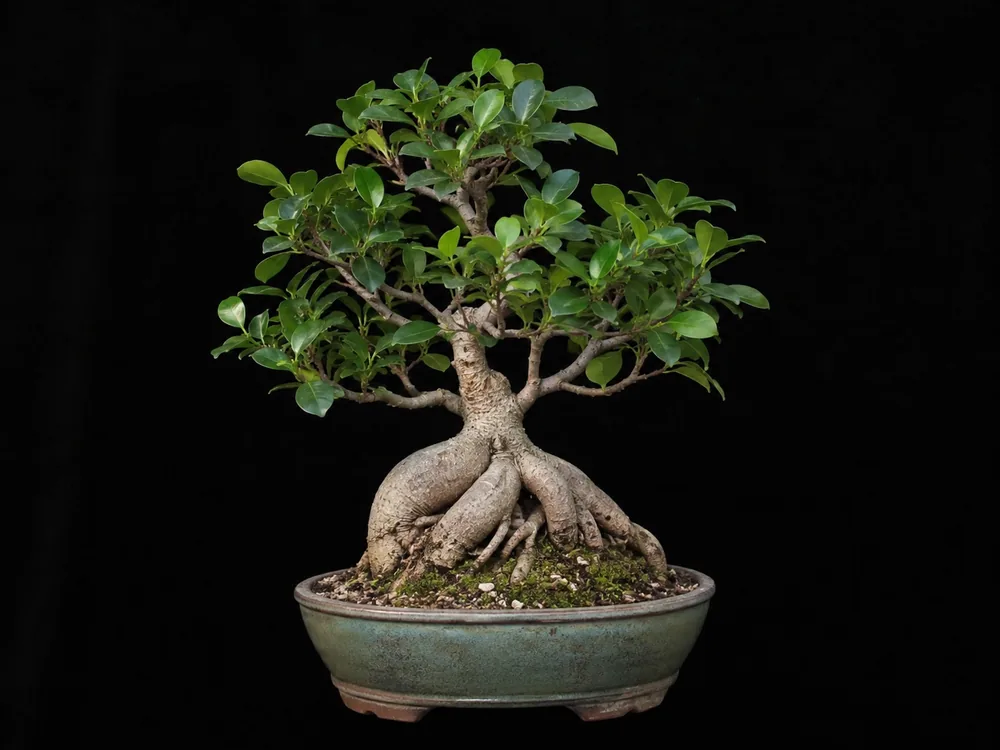
Ginseng Ficus Bonsai Care
Ficus microcarpa
3 Ginseng Ficus bonsai in stock, from $59.95 Shipped direct from our nursery partners, with a 48-hour live-arrival guarantee. See the trees
Zones 9 to 11, indoor or out. The classic, near-indestructible beginner bonsai, the 'mallsai' ficus. Most are lost to overwatering.
Moraceae (fig/mulberry family) · Tropical evergreen broadleaf tree
Ginseng Ficus quick reference
| USDA zones | 9–11 (grow indoors in cooler zones) |
|---|---|
| Indoor / outdoor | Indoor-capable — one of the best indoor bonsai; outdoors in warmth |
| Light | Bright light — bright indirect indoors; sun outdoors |
| Water | Keep slightly moist — water when top inch dries; not soggy |
| Soil | Free-draining, slightly moisture-retentive mix |
| Repot | Every 2–3 years, spring/summer |
| Frost | None — keep above ~50 °F / 10 °C |
| Mature height (as bonsai) | Tree to 30 m; 20-50 cm as bonsai |
| Growth rate | Fast |
| Season of interest | Year-round glossy foliage, swollen aerial roots |
| Leaf reduction | Good with defoliation |
| #1 cause of death | Overwatering / root rot; cold + light shock (leaf drop) |
Overview & Character
The Ginseng Ficus is the classic, near-indestructible beginner bonsai — the 'mallsai' ficus — famous for its swollen, pot-bellied aerial roots (the 'ginseng' trunk), glossy dark leaves, and tolerance of indoor conditions. It is among the easiest of all bonsai: forgiving of watering, fast-growing, and quick to back-bud and develop.
It wants warmth, bright light, and steady (not soggy) moisture, with no frost tolerance. Its main quirks are leaf drop after sudden changes in light or temperature (it acclimates and recovers) and the trade habit of producing the bulbous grafted 'ginseng' form. A genuinely robust tropical, ideal for learning.
Identification
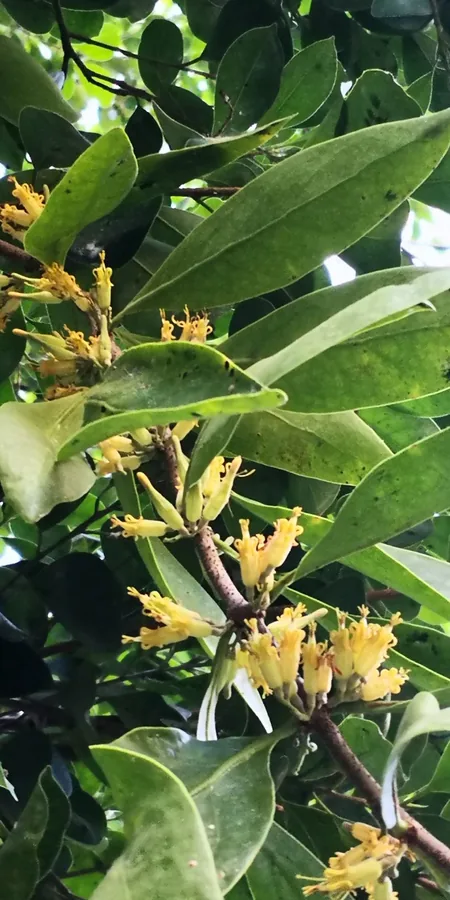
Foliage: Glossy, leathery, elliptic-obovate dark green leaves ~4–10 cm with a smooth margin and a short drip-tip; exudes milky latex when cut (a fig/Moraceae trait).
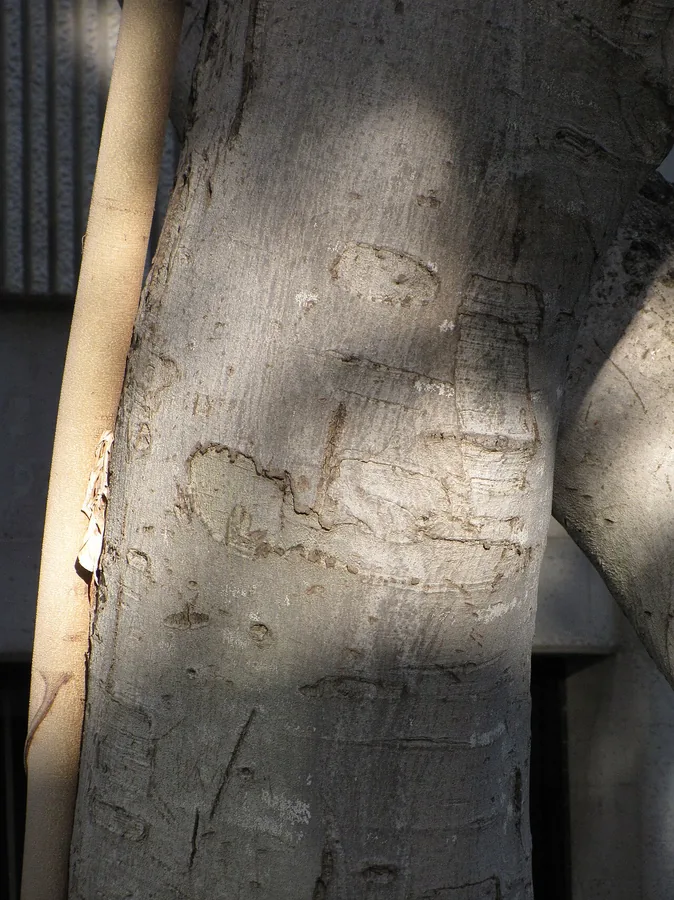
Bark & trunk: Smooth, pale grey; the trade 'ginseng' form features dramatically swollen, bulbous surface roots/trunk (often grafted with small-leaved tops); develops aerial roots in humidity.
Growth habit / form: Vigorous, spreading evergreen with dense foliage; aerial roots in high humidity. Suits banyan, informal upright, root-over-rock, and the pot-bellied 'ginseng' style.
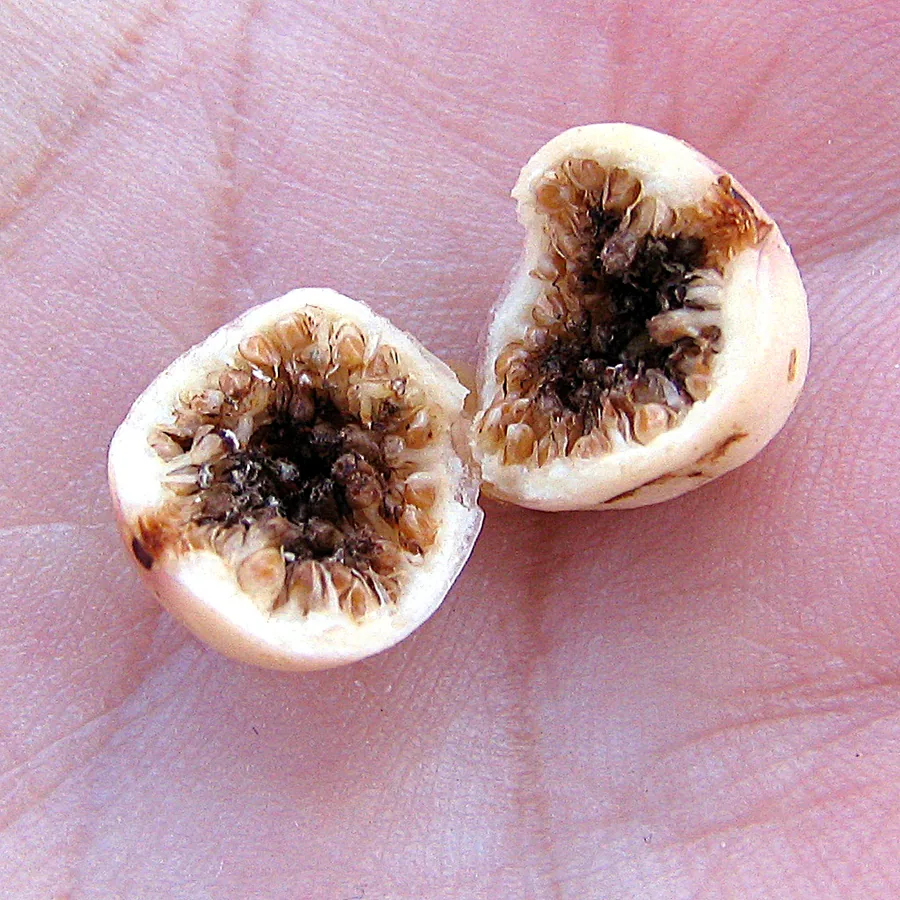
Flowers / fruit: Tiny flowers enclosed in small figs (syconia) ripening red to dark purple; rarely significant on indoor bonsai.
Look-alikes & how to tell them apart: Closely related to and sold interchangeably with Ficus retusa; distinguished from Weeping Fig (F. benjamina) by thicker, blunter leaves and the swollen 'ginseng' roots, and from Willow Leaf Ficus by much broader leaves.
Climate & USDA Zone
Hardy outdoors in USDA zones 9–11. Tropical and frost-tender — keep above ~50 °F / 10 °C. In cooler zones it is an excellent indoor bonsai, summered outdoors in warmth and brought in before cold. Loves warmth and humidity.
Light
Bright light. Indoors, give the brightest spot (bright indirect to some direct sun) — it tolerates lower light better than most bonsai but is healthiest and tightest in strong light; outdoors give sun with protection from harsh midday scorch on freshly moved trees. Big changes in light trigger temporary leaf drop.
Watering
Keep the soil slightly moist — water when the top inch is dry — and never let it stand soggy.
- Water thoroughly, then let the surface dry before watering again (often roughly weekly indoors, more in warmth).
- Overwatering/standing water causes root rot; complete dry-outs cause leaf drop.
- Misting and humidity encourage aerial roots and healthy foliage.
Soil & Root Care
Soil: A free-draining, slightly moisture-retentive bonsai mix (akadama / pumice / lava, or a peat/perlite/potting blend for indoors).
Repotting:
- Frequency: every 2–3 years, in spring/early summer (warm season).
- Vigorous roots tolerate substantial pruning; figs heal and re-root readily.
- Aftercare: warm, bright, evenly moist while re-establishing.
Feeding
Feed every 2–4 weeks through the growing season (essentially year-round if kept warm and growing indoors), easing off in a cool rest. A balanced fertilizer suits it. Don't feed freshly repotted trees.
Pruning & Styling
- Trimming: prune in spring/summer; it back-buds strongly even on old wood and ramifies fast — trim new shoots back to 1–2 leaves to build density.
- Defoliation/leaf reduction: strong trees take partial defoliation to reduce leaf size and increase ramification.
- Aerial roots & fusion: figs readily produce aerial roots and fuse — exploited for banyan and root-over-rock styles.
- Wiring: young shoots are flexible; protect the bark; remove wire before bite.
- Suits banyan, informal upright, root-over-rock, and 'ginseng' styles. (Latex is mildly toxic to pets.)
Propagation & Cuttings
Ease: Very easy from cuttings; the swollen 'ginseng' base is seed/graft-grown. Best methods: cuttings; air-layering.
Ficus microcarpa roots from cuttings and air-layers as easily as other figs — take stem or trunk cuttings in warmth and they root fast. Note the bulbous 'ginseng' roots sold commercially are produced from seed-grown or specially grown swollen roots, then often grafted with small-leaf tops; cuttings won't reproduce that fat base (they root a normal stem). Keep tropical-warm. For bonsai, air-layering builds trunk and aerial roots quickly, and the plant tolerates heavy pruning and fuses readily.
Pests
- Scale insects and mealybugs (common indoors)
- Spider mites (dry indoor air)
- Aphids
- Whitefly
Treat with horticultural oil, insecticidal soap, or appropriate systemics; catch infestations early.
Disease, Fungus & Infection
Very tough; problems are mostly cultural:
- Root rot — from overwatering/poor drainage; the main risk.
- Leaf drop — from sudden light/temperature change, cold, or drying (stress, usually temporary).
- Sooty mold — on honeydew from sap-suckers; control the pests.
Prevention: warmth, bright light, slightly-moist-but-drained soil, and steady conditions.
Most Common Causes of Death
1. Overwatering / root rot. The main killer — let the surface dry between waterings; never keep it soggy. 2. Cold damage. Keep above ~50 °F; avoid cold drafts. 3. Light/temperature shock leaf drop. Acclimate gradually after moving; it usually recovers. 4. Severe drying out. Causes leaf drop; keep slightly moist. 5. Very low light long-term. Weak, leggy growth; give the brightest spot.
Seasonal Calendar
- Spring: Repot if due; resume/continue feeding; trim to ramify; move outdoors once warm; bright light.
- Summer: Warmth and bright light; keep slightly moist; feed; defoliate strong trees to reduce leaf size; aerial-root development in humidity.
- Autumn: Taper outdoor care; bring indoors before nights drop below ~50 °F.
- Winter: Bright, warm indoor spot; water when the surface dries; light feeding if growing; watch for scale/mites.
Close-up photo reference
Compare your tree against these to confirm the species and spot problems early.
.jpg)


Sources
Buy a Ginseng Ficus bonsai
- All species
- Shop bonsai trees, tools & supplies
- How to Water a Bonsai (Without Killing It)
- Bonsai Soil: What to Buy, What to Mix, and What It Costs
- Why Bonsai Die After Repotting: Diagnosing a Failed Repot
- Pruning vs. Pinching: Shaping Your Bonsai
- Overwintering Bonsai: Cold-Season Care
- Indoor Bonsai Light and Humidity: Making a Windowsill Actually Work
- Root Rot on bonsai
- Overwatering on bonsai
- Underwatering (Drought Stress) on bonsai
- Winter / Frost Damage on bonsai
- Leaf Scorch / Sunburn on bonsai
- Weeping Fig bonsai care
- Willow Leaf Ficus bonsai care
- Ficus bonsai care
- Mistletoe Fig bonsai care