Star Magnolia Bonsai Care
Magnolia stellata
Zones 4 to 9, outdoor only. Among the most prized of all magnolias for bonsai because of its naturally compact. Most are lost to overwatering.
Magnoliaceae · Deciduous flowering tree/shrub (temperate, outdoor)
Star Magnolia quick reference
| USDA zones | 4–9 (very cold-hardy; one of the hardiest magnolias) |
|---|---|
| Indoor / outdoor | Outdoor only — needs a true winter dormancy and cannot live indoors |
| Light | Full sun to light afternoon shade; some shade in very hot climates protects flowers and leaves |
| Water | Wet-leaning — keep the rootball evenly moist at all times; never let it dry out, but avoid waterlogging |
| Soil | Slightly acidic to neutral, free-draining, moisture-retentive mix (akadama with a little kanuma, pumice, fine bark) |
| Repot | Young trees every 2 years, older trees every 3–4 years; repot in early spring just before/as buds swell |
| Frost | Wood is very hardy, but open flowers and swelling buds are easily ruined by late frost; shelter roots in hard freezes |
| Mature height (as bonsai) | Shrub to 3m in nature; bonsai commonly 30-60cm. |
| Growth rate | Slow. |
| Season of interest | Early spring for star-shaped white flowers on bare wood. |
| Leaf reduction | Moderate; leaves reduce somewhat with trimming. |
| #1 cause of death | Root rot / root death from a waterlogged or, conversely, dried-out rootball — magnolias have fleshy, fragile roots that resent extremes |
Overview & Character
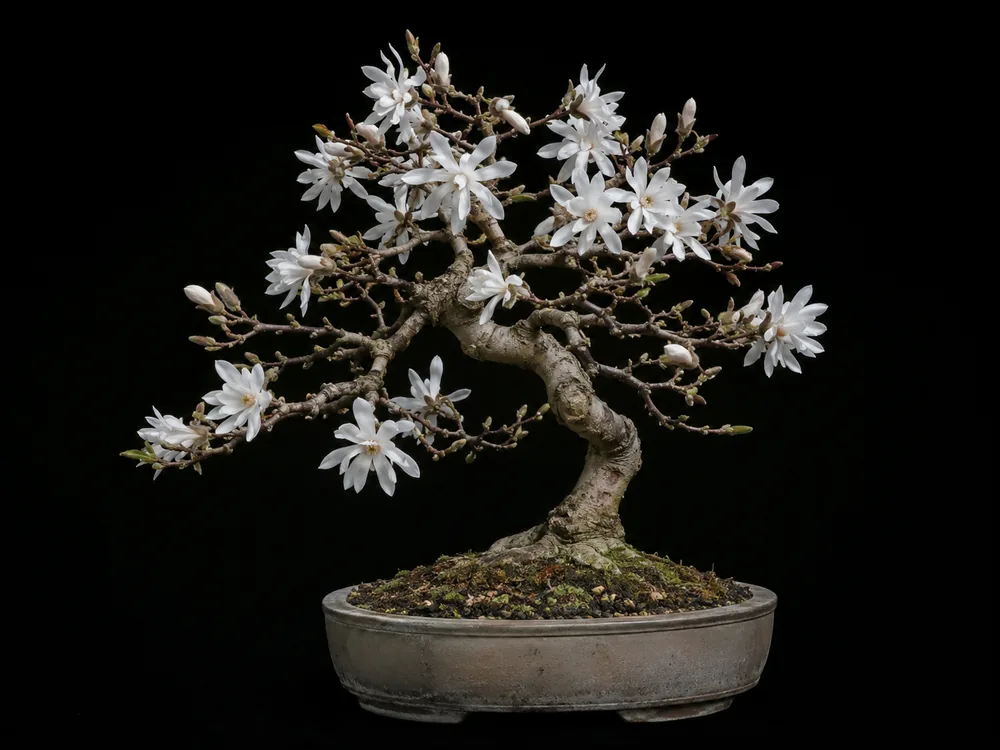
The Star Magnolia is among the most prized of all magnolias for bonsai because of its naturally compact, twiggy habit and its breathtaking early-spring display: dozens of many-petalled, star-shaped white (sometimes pink-flushed) flowers that open on completely bare branches before the leaves emerge. After flowering, soft fuzzy buds give way to a flush of fresh green foliage, and in autumn the leaves turn a warm bronze-yellow.
It is, however, an honest challenge. Magnolias have thick, brittle, fleshy roots that bruise and rot easily, they back-bud reluctantly on old wood, and they set their flower buds the previous summer — so careless pruning loses next year's bloom. A patient grower is rewarded with a tree that flowers spectacularly out of season with leaves, something few bonsai species can match.
Identification
FOLIAGE: Alternate, simple, narrowly oval (obovate) leaves 5–10 cm long, mid- to dark-green, slightly leathery, turning yellow-bronze in autumn. Leaves emerge after the flowers.
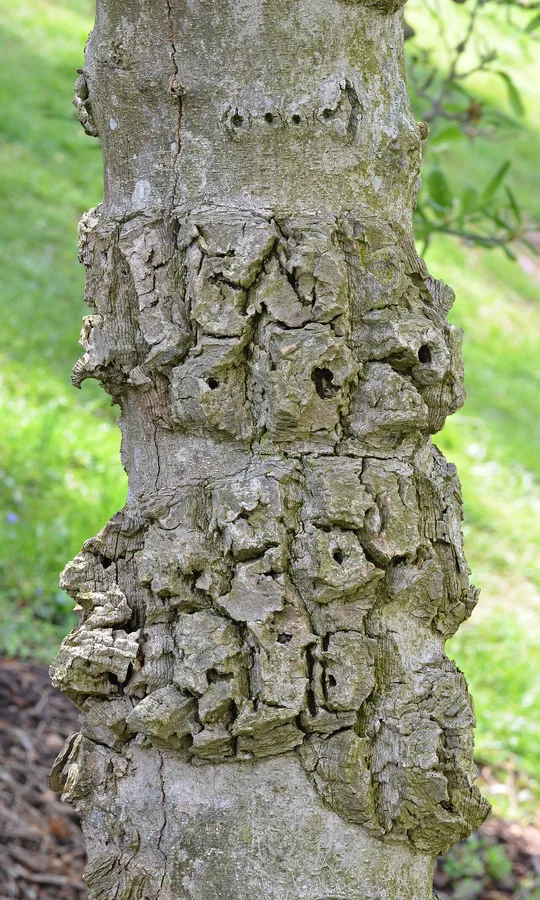
BARK & TRUNK: Smooth, pale grey bark, often with fine lenticels; becomes lightly fissured with age. Trunks are typically short and develop a pleasing taper and gentle movement. Branch structure is fine and twiggy.
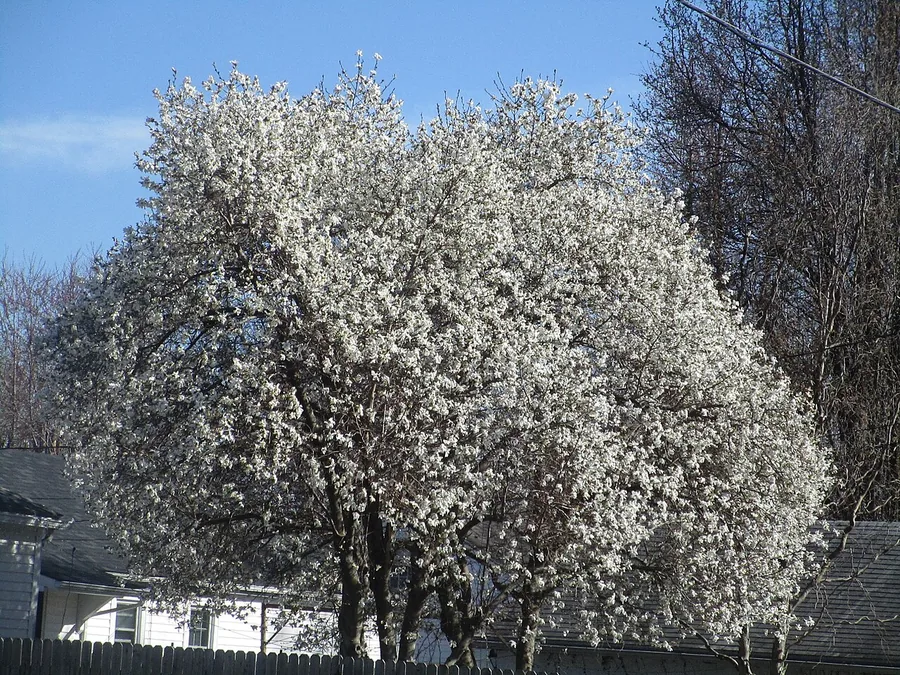
GROWTH HABIT / FORM: Naturally a dense, multi-stemmed, rounded shrub or small tree; the twiggy density suits informal upright, multi-trunk, and clump styles. Slow to moderate growth.
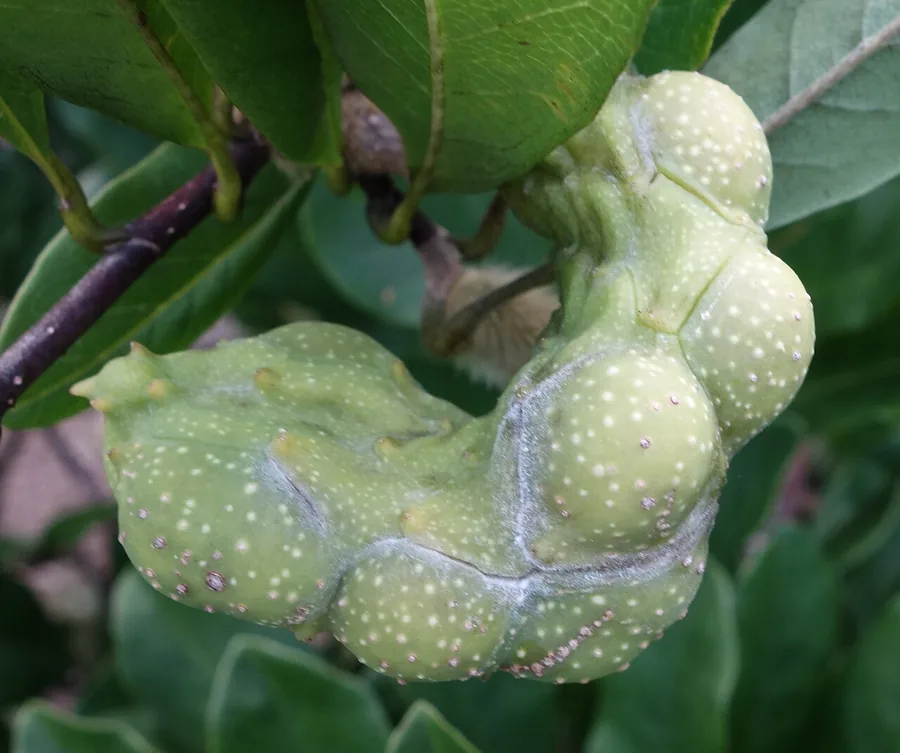
FLOWERS / FRUIT + season + old/new wood: Many-petalled (12–18 strap-like tepals), star-shaped, fragrant white-to-pink flowers in early spring on bare wood, before leaf-out. Conspicuous silvery-fuzzy flower buds form through the previous summer. Flowers are borne on OLD wood — the buds set the season before — so the only safe pruning window for flowering is immediately after flowering finishes. Occasional knobbly, cone-like aggregate fruit may follow but is uncommon on bonsai.
Look-alikes & how to tell them apart: Saucer magnolia (Magnolia × soulangeana) has much larger, fewer, tulip/goblet-shaped pink-purple flowers and broader leaves; Magnolia kobus is a larger tree with fewer-tepalled (6–9) flowers and a more upright single trunk; star magnolia is distinguished by its small stature, many narrow strap-like tepals (often 12+), and dense twiggy shrubbiness.
Climate & USDA Zone
Star Magnolia is reliably hardy in USDA zones 4–9, making it one of the cold-toughest magnolias. It requires a genuine cold dormancy each winter and therefore cannot be kept as an indoor tree. The main climate hazard is not winter cold but late spring frost: because it flowers so early on bare wood, an unexpected freeze can brown and ruin the open blooms overnight. Site it where it gets morning sun but is protected from frost pockets, and consider delaying its emergence from a sheltered spot to dodge the worst late frosts.
Light
Give it full sun for strong growth and good flower-bud set, with light afternoon shade in hot summer regions to prevent leaf scorch and to make the flowers last longer. Too much shade reduces flowering and produces weak, leggy growth.
Watering
This is a moisture-loving (wet-leaning) species — but not a bog plant. Keep the rootball evenly and consistently moist throughout the growing season; magnolias consume a lot of water in summer and resent drying out, which causes leaf drop and bud abortion. At the same time, the fleshy roots rot in standing water, so the mix must drain freely even while staying damp. Use slightly acidic to neutral water (pH ~5.5–7); hard, calcareous water over time causes chlorosis (yellowing between leaf veins). Reduce watering in winter to just keeping the rootball from fully drying.
Soil & Root Care
Use a free-draining yet moisture-retentive, slightly acidic mix — a base of akadama with added kanuma (for acidity), pumice, and fine composted bark works well. The roots are thick, fleshy, and brittle, and they heal slowly, so handle them gently. Repot in early spring as the buds begin to swell, before flowering or just after, every 2 years for young trees and 3–4 years for older specimens. Prune roots conservatively; never bare-root a magnolia or remove a large fraction of roots in one repot.
Feeding
Feed regularly through the growing season with a balanced organic fertilizer, leaning toward a slightly acidic feed (an ericaceous/azalea-type food helps prevent chlorosis). Begin after flowering, feed steadily through summer to support next year's bud set, and ease off in late summer/autumn. Avoid high-nitrogen feeds late in the season. A lack of fertilizer, like calcareous water, causes the yellowing chlorosis magnolias are prone to.
Pruning & Styling
Flowering wood — critical timing: Star Magnolia flowers on OLD wood, from buds that are set the previous summer. The single most important rule is therefore: prune immediately after flowering finishes in spring. This gives the tree the whole rest of the season to grow and set new flower buds for the following year. Pruning in summer, autumn, or winter removes the buds you would otherwise have flowered, leaving you with a bloomless tree the next spring.
For structural work, remove unwanted branches just after flowering. Magnolias back-bud only reluctantly on old wood, so build branch structure patiently and avoid hard cutbacks into bare old wood unless necessary. Wiring is best done on young, flexible shoots; mature branches are brittle and snap easily, so wire carefully and protect the bark. Let the tree extend, then refine — do not pinch so hard that you remove all developing flower buds.
Propagation & Cuttings
Ease: Moderate. Best methods: softwood cuttings; layering; grafting.
Magnolia stellata roots from softwood cuttings taken in early summer just after flowering, under mist with IBA at moderate rates. Air-layering and simple layering in spring are reliable for larger, flowering-size stock true to the parent. Seed germinates after cleaning and ~3 months cold stratification but is slow to flower and variable. For bonsai the early white star flowers on bare wood are the appeal; layer a good clone for quick flowering trunk, as magnolias resent heavy root disturbance.
Pests
Star Magnolias are relatively pest-resistant. The most common visitors are scale insects (often noticed around flowering time) and aphids on soft new growth. Treat localized scale by hand or with horticultural oil; aphids with a strong water jet, insecticidal soap, or neem. Occasionally spider mites appear in hot, dry conditions — raise humidity and treat as needed.
Disease, Fungus & Infection
The main problems are cultural rather than infectious. Root rot follows overwatering or a poorly draining mix and is the leading killer. Chlorosis (interveinal yellowing) comes from hard/alkaline water, alkaline soil, or under-feeding — correct with acidic water, an ericaceous feed, and chelated iron if needed. Magnolias can occasionally suffer leaf spots and powdery mildew in damp, crowded conditions; improve airflow and avoid wetting foliage late in the day. Bacterial/fungal cankers may enter through wounds, so make clean cuts and seal large ones.
Most Common Causes of Death
1. Root rot from overwatering / poor drainage. Fleshy magnolia roots die fast in soggy soil. Prevention: use a free-draining mix, never let the pot sit in water, and water only when the surface begins to dry while keeping the core moist. 2. Letting the rootball dry out. This species drinks heavily in summer; a single severe dry-out can kill roots and abort buds. Prevention: check moisture daily in summer, never allow complete drying, and shade the pot in extreme heat. 3. Repotting too aggressively or at the wrong time. Bare-rooting or removing too many of the brittle roots can be fatal. Prevention: repot only in early spring, work gently, and keep root reduction modest. 4. Late-frost damage to flowers and swelling buds. Not usually fatal to the tree, but ruins the display and can damage tender new growth. Prevention: shelter from frost pockets and protect during late cold snaps. 5. Loss of winter dormancy / kept indoors. A warm indoor winter starves the tree of needed chill and slowly weakens it. Prevention: keep it outdoors year-round with appropriate root protection in hard freezes. 6. Chronic chlorosis from alkaline water/soil and under-feeding. A slow decline that weakens the whole tree. Prevention: acidic water, ericaceous feeding, and an acidic mix. 7. Snapped branches and torn bark from rough wiring. Brittle wood breaks easily, opening infection sites. Prevention: wire young, flexible growth carefully and protect the bark.
Seasonal Calendar
- Late winter (Feb): Tree dormant; fuzzy buds present. Protect from extreme cold. Plan but do not yet prune flowering wood.
- Early spring (Mar–Apr): Flowers open on bare wood. Best repotting window as buds swell. Begin gentle watering increase. Enjoy the bloom; do not prune yet.
- After flowering (Apr–May): Prune now for structure and refinement — this is the safe window. Begin feeding. Leaves flush out.
- Late spring–summer (May–Aug): Strong growth and heavy water use; keep evenly moist and feed steadily. Flower buds for next spring set during this period — protect them. Light afternoon shade in heat.
- Autumn (Sep–Oct): Leaves turn bronze-yellow and drop. Reduce feeding and watering. Fuzzy buds visible for next year.
- Winter (Nov–Jan): Fully dormant outdoors. Keep rootball just moist; protect roots from hard freezes and the pot from frost-heave.
Close-up photo reference
Compare your tree against these to confirm the species and spot problems early.



Sources
- Bonsai Empire — Star Magnolia (Magnolia) care guide
- Bonsai4Me — Magnolia Bonsai species guide
- Gardener's Path — Tips for Growing Star Magnolias
- Miyagi Bonsai — Star Magnolia Bonsai Care Guide
Where to buy a Star Magnolia bonsai
We don’t stock Star Magnolia at the moment. These species need similar care and we have them now — they are the closest match in our catalogue.
- Blueberry — similar care, in stock now
Browse all bonsai trees for sale or find a species matched to your climate and space.
- All species
- Shop bonsai trees, tools & supplies
- How to Water a Bonsai (Without Killing It)
- Bonsai Soil: What to Buy, What to Mix, and What It Costs
- Why Bonsai Die After Repotting: Diagnosing a Failed Repot
- Pruning vs. Pinching: Shaping Your Bonsai
- Overwintering Bonsai: Cold-Season Care
- Indoor Bonsai Light and Humidity: Making a Windowsill Actually Work
- Root Rot on bonsai
- Overwatering on bonsai
- Underwatering (Drought Stress) on bonsai
- Winter / Frost Damage on bonsai
- Leaf Scorch / Sunburn on bonsai
- American Beech bonsai care
- Amur Maple bonsai care
- Beautyberry bonsai care
- Blueberry bonsai care