
Blueberry Bonsai Care
Vaccinium corymbosum
1 Blueberry bonsai in stock, from $70.95 Shipped direct from our nursery partners, with a 48-hour live-arrival guarantee. See the trees
Zones 3 to 7. An increasingly popular bonsai subject because it offers a full seasonal show on one compact plant.
Ericaceae (the heath family, includes rhododendron, azalea and heather) · Deciduous flowering and fruiting shrub
At a glance
- Type
- Deciduous
- Leaves
- Deciduous
- USDA zones
- 3 to 7
- Indoor or outdoor
- Outdoor
- Growth rate
- Slow
- Bonsai popularity
- Tier 3
Close-up photo reference
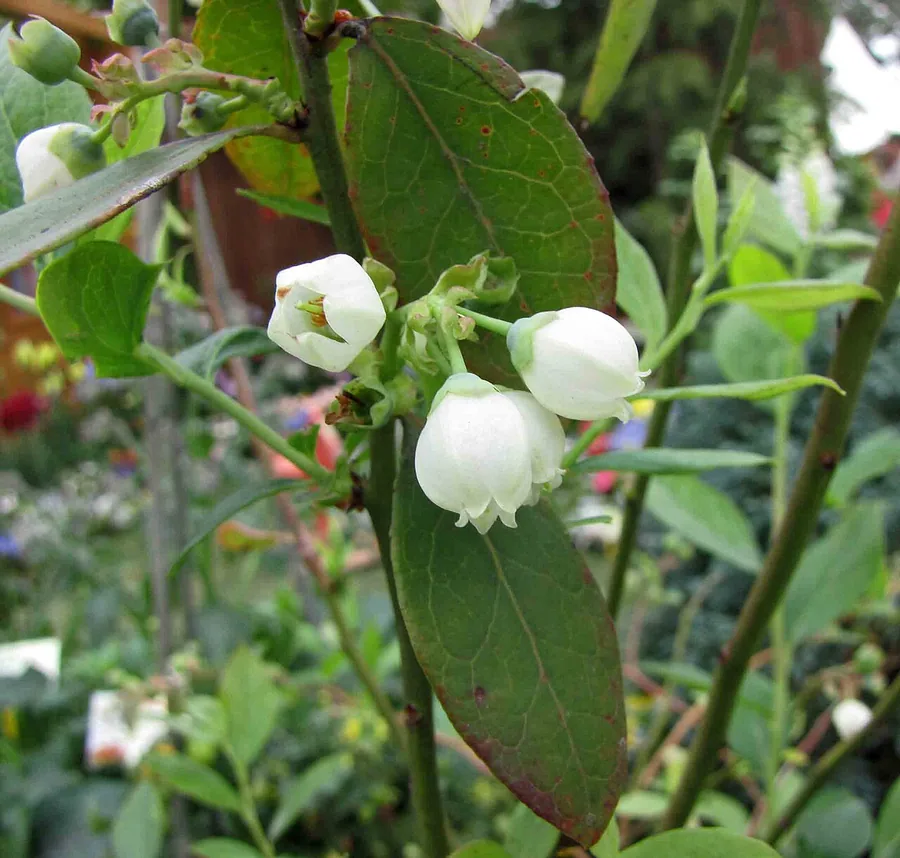
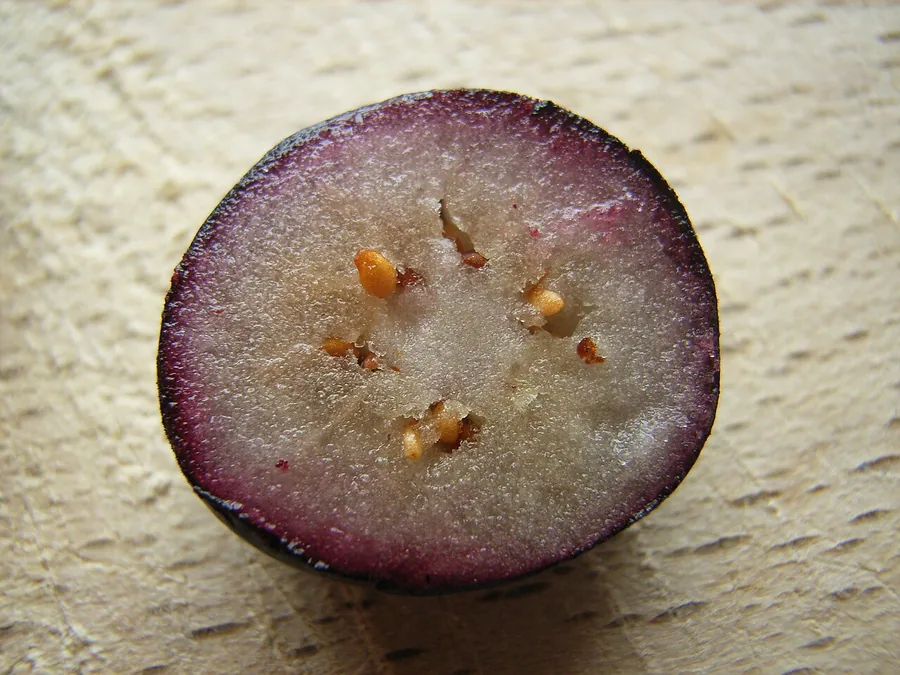
Compare your tree against these to confirm the species and spot problems early.
.jpg)

Blueberry quick reference
| USDA zones | 3 to 7 |
|---|---|
| Indoor / outdoor | Strictly outdoor; needs full sun, winter chill and acidic conditions |
| Light | Full sun for best flowering and fruit; light afternoon shade in very hot climates |
| Water | Consistently moist: never dry, never waterlogged; use soft/rain water where possible |
| Soil | Acidic mix (pH ~4.5 to 5.5) is essential: ericaceous/kanuma-based, no lime |
| Repot | Every 2 to 3 years, in early spring before buds break |
| Frost | Very hardy in the ground; protect potted roots from hard freeze/wind |
| Mature height | 6 to 12 ft (1.8 to 3.7 m) in the landscape [s3] [s4] |
| Growth rate | Slow [s4] |
| Season of interest | Pink or white bell flowers in spring, blue berries in summer, red to orange fall color [s3] [s4] |
| Leaf reduction | Not rated by the sources we checked |
| #1 cause of death | Wrong soil pH (alkaline/lime) causing chlorosis and slow decline |
Overview & Character
Highbush blueberry is an increasingly popular bonsai subject because it offers a full seasonal show on one compact plant: delicate urn-shaped white-to-pink flowers in spring, edible blue fruit in summer, and often brilliant red-to-scarlet foliage in autumn before the leaves drop. The wood is fine and twiggy, developing attractive reddish shoots and, with age, a gnarled, peeling gray trunk, good raw material for informal, natural styles. Being an ordinary garden fruit crop as well, plants are cheap and widely available.
The one thing that defines blueberry culture is its membership of the Ericaceae, the acid-loving heath family. Like rhododendrons and azaleas, blueberry has fine, shallow, fibrous roots that depend on soil acidity and on beneficial (ericoid) fungi to take up nutrients. Get the acidity right and it is a tough, rewarding, hardy plant; get it wrong, alkaline soil or hard tap water, and the plant slowly starves, yellows and declines no matter how well you water and feed. Everything below flows from that single requirement.
Identification
Foliage: Simple, alternate, oval leaves, bright to blue-green through summer, turning vivid red, orange and scarlet in autumn. Deciduous.
Bark: Young shoots are slender and often reddish; older wood becomes gray-brown, ridged and slightly shreddy/peeling with age.
Habit: Upright, multi-stemmed twiggy shrub with fine branching.
Flowers: Small, pendulous, urn- or bell-shaped (typical Ericaceae shape), white to pale pink, in clusters (corymbs) in spring.
Fruit: The familiar round blue-black berries with a pale waxy bloom, ripening in summer; edible and ornamental.
Look-alikes & how to tell them apart: Other Vaccinium species (lowbush blueberry V. angustifolium, rabbiteye V. virgatum, huckleberries, bilberries) share the urn-shaped flowers and blue fruit; highbush is the tall, upright species with larger berries. The urn-shaped flowers and Ericaceae leaf immediately separate blueberry from unrelated berry-bearing shrubs. If in doubt, the acid-loving heath-family flower shape plus blue bloomy fruit is diagnostic.
Climate & USDA Zone
Hardy in roughly USDA zones 3 to 7 (northern highbush). Blueberry needs winter chill (a period of cold, often expressed as chilling hours) to flower and fruit properly, and a real dormancy. It is a temperate species, not a tropical one, and cannot be grown indoors. In hot-summer regions it appreciates a little afternoon shade and extra attention to keeping the shallow roots cool and moist; in cold regions it is very hardy in the ground but the pot still needs winter protection.
Light
Give full sun for the best flowering, fruiting and autumn color. In cool and temperate climates, full sun all day is ideal. In hot climates, light afternoon shade protects the leaves and helps keep the shallow rootball from overheating and drying. Too much shade reduces bloom and fruit and produces weak, leggy growth. Grow it outdoors.
Watering
Keep the soil consistently moist at all times, blueberry has shallow, fine roots that suffer quickly if the pot dries, yet it also dislikes waterlogging, so the mix must stay damp but drain freely. Water thoroughly whenever the surface starts to dry; in hot weather this may mean more than once a day. Crucially, watch your water source: hard tap water is alkaline and raises the soil pH over time, which is harmful to this acid-lover. Where possible use rainwater or other soft water; if you must use hard tap water, counter it by using an acidic soil, top-dressing with something acidifying, and monitoring for yellowing leaves. Reduce watering in winter dormancy but never let the rootball go bone dry.
Soil & Root Care
Acidic soil is non-negotiable. Blueberry needs an acidic medium of roughly pH 4.5 to 5.5. Use an ericaceous (lime-free, acid) bonsai mix, kanuma (the acidic Japanese soil used for azaleas) is an excellent base, on its own or blended with acidic organic matter such as pine bark or peat-based ericaceous compost, plus some grit for drainage. Never use ordinary alkaline soils, limestone grit or hard-water-limed mixes. The roots are fine, shallow and fibrous and rely on ericoid mycorrhizal fungi, so treat the rootball gently. Repot every 2 to 3 years in early spring before buds break, teasing out and lightly reducing the fine roots rather than bare-rooting, and refresh with fresh acidic mix.
Feeding
Feed with fertilizers formulated for acid-loving (ericaceous) plants, the same products used for rhododendrons and azaleas, which supply nutrients without raising pH. Feed through the growing season, easing off in late summer/autumn so growth hardens before winter. Avoid alkaline or lime-containing fertilizers and avoid heavy nitrogen, which pushes soft growth at the expense of flowers and fruit. If leaves yellow between green veins (interveinal chlorosis), that is the classic sign of high pH / iron lock-out, correct the soil acidity and consider a chelated iron feed suited to acid plants. Do not feed straight after repotting.
Pruning & Styling
Blueberry ramifies well and takes pruning readily, so structure is built by cut-and-grow: shorten new shoots to build fine twiggy branching, and remove crossing, inward and overly vigorous growth to open the canopy. Because flowers (and therefore fruit) form on the previous year's wood, prune with the display in mind, do heavy structural pruning in late winter/early spring while dormant, and be aware that removing last year's shoots removes potential flowers. After fruiting, thin and tidy to maintain shape. Wiring is possible on younger, flexible shoots to set the framework, but the wood becomes brittle with age, so shape early and check wire often to avoid biting into the fine bark. Old spent stems can be cut out at the base to encourage fresh vigorous shoots, a natural way blueberries renew themselves.
Seasonal Calendar
- Spring: Buds break; urn-shaped flowers open. Repot if due, before buds break, into fresh acidic mix. Begin ericaceous feeding once growth starts. Watch for aphids on new shoots.
- Summer: Fruit ripens. Keep consistently moist (soft water), possibly watering more than once a day; light afternoon shade in hot climates. Net against birds if you want the crop. Continue acid feeding; pinch/shorten new shoots for ramification. Watch for spider mites.
- Autumn: Brilliant red foliage, then leaf drop. Reduce feeding and watering as growth slows. Tidy after fruiting. Enjoy the color before dormancy.
- Winter: Dormant. Do structural pruning/wiring on the bare framework (mindful that last year's wood carries flowers). Protect the pot/roots from hard freeze and drying wind. Water sparingly, never letting the soil go bone dry.
Care calendar by month
- Repot and root-prune: March
- Prune, wire and shape: February, June to July
- Feed: April to September
- Air-layer or take cuttings: May to June
Propagation & Cuttings
Ease: Moderate. Best methods: softwood and hardwood cuttings; layering.
Vaccinium roots from cuttings but insists on acidic, moist, airy media (peat/perlite). Softwood cuttings in early summer and hardwood cuttings in late winter both work; use light hormone and keep humid, rooting takes several weeks and is faster on softwood. It layers naturally where stems touch acidic soil. Seed is viable (needs cold stratification and surface sowing) but slow and variable, and named cultivars won't come true. For bonsai, cuttings or nursery plants are best; keep everything on rainwater and ericaceous mix to avoid lime-induced chlorosis.
Pests
Blueberries are relatively pest-tolerant but can attract aphids on soft new growth, spider mites in hot dry conditions, scale insects, and, because the fruit is edible, birds, which will strip berries (net if you want the crop). Vine weevils can be a serious threat to container-grown ericaceous plants, their grubs eating the roots; inspect the rootball at repotting. Treat sap-suckers early with appropriate horticultural oil or insecticide and improve airflow to deter mites.
Disease, Fungus & Infection
The most damaging "disorder" is not an infection at all but lime-induced chlorosis from alkaline soil or hard water, prevent it by keeping the medium acidic. True diseases include root rot (Phytophthora) in waterlogged soil, botrytis (gray mold) on flowers and fruit in damp, still conditions, and various leaf spots and cankers. Prevention centers on correct acidity, free-draining soil, full sun, good airflow, and removing dead flowers, mummified fruit and diseased leaves. Sterilize tools between plants.
Most Common Causes of Death
1. Wrong soil pH (alkaline/lime) causing chlorosis and slow decline. The number-one killer. Use an acidic ericaceous/kanuma mix (pH ~4.5 to 5.5), avoid lime, and water with soft/rain water where possible. 2. Letting the rootball dry out. Shallow fine roots die fast when dry. Keep the soil consistently moist, watering more than once a day in heat if needed. 3. Kept indoors / no winter chill. A temperate shrub that needs outdoor sun, cold dormancy and chilling hours to fruit. Grow it outside year-round. 4. Waterlogging / root rot. Constantly saturated soil rots the fine roots. Keep the acidic mix free-draining. 5. Hard tap water over time. Alkaline tap water gradually raises pH and locks out iron. Use rainwater, or acidify and monitor for yellowing leaves.
Sources
- Bonsai Empire: Tree species care guides
- Wikipedia: Vaccinium corymbosum
- NC State Extension Gardener Plant Toolbox: Vaccinium corymbosum (Highbush Blueberry)
- University of Tennessee Extension, Tennessee Smart Yards: Vaccinium corymbosum
Buy a Blueberry bonsai
- All species
- Shop bonsai trees, tools & supplies
- How to Water a Bonsai (Without Killing It)
- Bonsai Soil: What to Buy, What to Mix, and What It Costs
- Why Bonsai Die After Repotting: Diagnosing a Failed Repot
- Pruning vs. Pinching: Shaping Your Bonsai
- Overwintering Bonsai: Cold-Season Care
- Indoor Bonsai Light and Humidity: Making a Windowsill Actually Work
- Root Rot on bonsai
- Underwatering (Drought Stress) on bonsai
- Winter / Frost Damage on bonsai
- Spider Mites on bonsai
- Scale Insects on bonsai
- Rowan bonsai care
- American Beech bonsai care
- Amur Maple bonsai care
- Beautyberry bonsai care
- Chinese Quince bonsai care
- Hawthorn bonsai care