
Rowan Bonsai Care
Sorbus aucuparia
Zones 3 to 6, outdoor. Rowan, or mountain ash, is a tree of cool uplands that brings a full year of interest to the bonsai. Most are lost to drying out.
Rosaceae (rose family) · Deciduous broadleaf flowering / fruiting tree
Rowan quick reference
| USDA zones | 3 to 6 (prefers cool summers; dislikes prolonged heat) |
|---|---|
| Indoor / outdoor | Outdoor-only: a hardy montane tree needing a cold winter |
| Light | Full sun to light shade: full sun for berries, some afternoon shade in hot regions |
| Water | Moisture-loving: cool, steadily moist roots; dislikes drought and heat |
| Soil | Free-draining but moisture-retentive, slightly acidic loam-based mix |
| Repot | Every 2 to 3 years, in early spring before buds break |
| Frost | Extremely hardy; survives well below −30 °C (−22 °F) |
| Mature height | Tree to 15m in nature; bonsai commonly 30-70cm. |
| Growth rate | Moderate. |
| Season of interest | Autumn for red berries and fiery foliage; spring white flowers. |
| Leaf reduction | Moderate; compound leaflets reduce with pruning. |
| #1 cause of death | Heat and drought stress on the roots in warm summers |
Overview & Character
Rowan, or mountain ash, is a tree of cool uplands that brings a full year of interest to the bonsai bench. Its ash-like pinnate leaves give it a light, feathery canopy; in late spring it carries broad flat corymbs of creamy-white flowers; and from late summer into autumn it is loaded with dense clusters of brilliant orange-red berries beloved of birds. Autumn adds warm yellow-to-red foliage before leaf-fall reveals smooth silvery bark and slender, elegant twigging. That combination of fine foliage, flowers, and long-lasting berries makes rowan a standout flowering-and-fruiting bonsai, especially in informal upright and slender literati designs.
The care keys are those of a montane species: it is exceptionally cold-hardy and actively wants a real winter, but it dislikes heat and drought and will sulk or die in hot, dry conditions. Keep the roots cool and evenly moist, give it full sun for berries but afternoon shade where summers are fierce, and treat its Rosaceae vulnerability to fireblight and canker seriously. Leaf and leaflet size reduce reasonably well, and the naturally fine twigs ramify nicely.
Identification
Foliage: Pinnately compound leaves, 10 to 25 cm, with 5 to 8 pairs of oblong, sharply toothed leaflets plus a terminal one; matte green above, grayer beneath, turning yellow to red in autumn.
Bark & trunk: Smooth, shiny grayish bark with pale lenticels when young, becoming duller and slightly ridged with age. Trunks stay relatively slender and elegant.
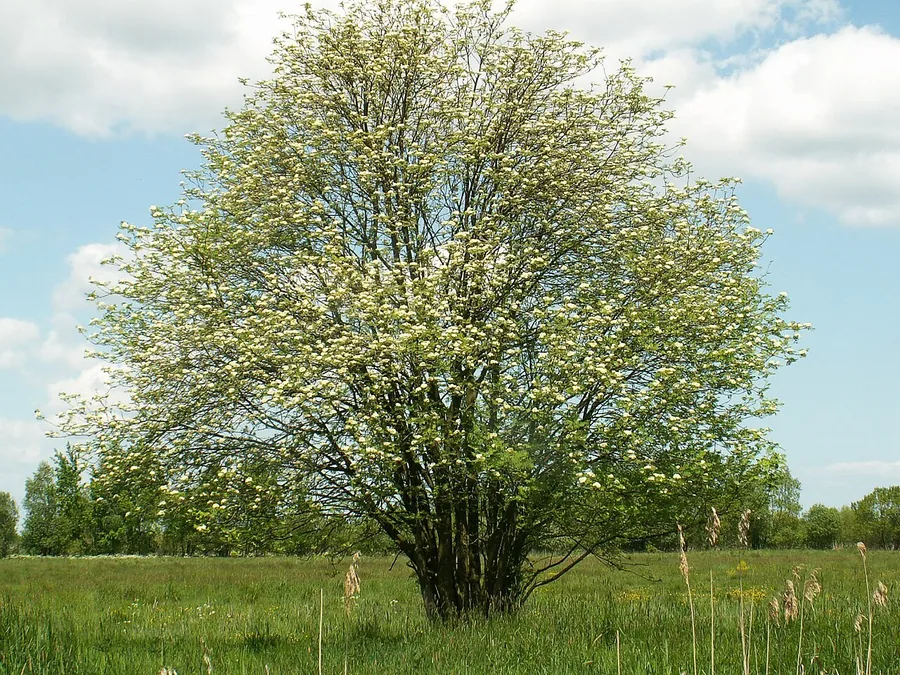
Growth habit / form: A small tree, 8 to 15 m in the wild, with an open, rounded to oval crown and fairly upright, slender branching; light and airy rather than dense.
Flowers / fruit: Dense flat-topped corymbs of small creamy-white five-petaled flowers in late spring, with a strong scent. Fruit is a mass of small round orange-red pomes ("berries") in hanging bunches, ripening late summer and persisting into autumn.
Look-alikes & how to tell them apart: The name "mountain ash" invites confusion with **true ash (Fraxinus excelsior), which is unrelated (family Oleaceae): ash has opposite pinnate leaves and black winter buds and bears winged dry keys, whereas rowan has alternate leaves and soft berries. It can also resemble elder (Sambucus nigra)**, but elder has hollow pith, opposite leaves, and flat umbels of tiny flowers followed by purple-black berries. Rowan's alternate pinnate leaves and orange-red berry clusters are diagnostic.
Climate & USDA Zone
Rowan is a montane, cold-climate tree suited to USDA zones 3 to 6. It is one of the hardiest broadleaf bonsai, its wood surviving hard continental winters well below −30 °C (−22 °F), and it demands a genuine, prolonged cold dormancy. Its real limitation is at the warm end: rowan strongly prefers cool summers and struggles where summers are hot and dry, becoming stressed, pest-prone, and short-lived in zones warmer than about 6 to 7. It must live outdoors year-round. In its hardiness range give the container ordinary winter protection to shield potted roots, but the greater practical danger in cultivation is summer heat, not cold; keep the roots cool and shaded from baking sun.
Light
Give rowan full sun for the best flowering and heaviest berry set, but provide afternoon shade and cool roots where summers are hot. In cool northern climates it will take all-day sun happily. In warmer regions, unrelenting sun on a dark pot overheats the roots and stresses the tree, so morning sun with afternoon shade (or shading the pot itself) is safer while still giving enough light to fruit.
Watering
Keep rowan steadily and evenly moist with cool roots; it is a moisture-loving montane tree that hates drying out and hates hot, dry soil.
- Water freely from bud-break through summer, never letting the rootball dry fully.
- Keep the pot and roots cool in heat; shade the container and avoid letting soil bake.
- Reduce watering in autumn as leaves color and drop, keeping the soil just moist through winter dormancy.
- In hot spells check daily or more; heat plus dryness is the classic combination that kills rowan.
Soil & Root Care
Soil: A free-draining but moisture-retentive, slightly acidic loam-based mix; akadama with pumice and an organic component holds cool, even moisture. Rowan prefers neutral to acidic soils and dislikes very chalky, dry conditions.
Repotting:
- Repot every 2 to 3 years while developing; established trees can go a little longer.
- Timing: early spring, just before or as buds begin to swell, before the leaves open.
- Root-work tolerance is moderate; reduce roots by up to about a third, avoiding drastic bare-rooting; as a Rosaceae fruiting tree it prefers steady over savage root work.
- Aftercare: keep cool, moist, sheltered from wind and hot sun, and resume feeding after a few weeks when new growth is established.
Feeding
Feed from leaf-out through summer with a balanced fertilizer to support the pinnate foliage, flowers, and fruit. Ease off nitrogen from late summer so growth hardens before winter, and a higher-potassium feed in mid- to late summer supports flower-bud formation and berry ripening. Avoid overfeeding with nitrogen, which produces soft, oversized leaflets and makes the tree more prone to aphids and fireblight. Withhold feed from a freshly repotted or heat-stressed tree until it is growing strongly.
Pruning & Styling
- Suits informal upright, literati, and slender single-trunk styles that show off its fine pinnate foliage and elegant twigging; also effective as a flowering-and-fruiting display tree.
- Prune structurally in late winter to early spring; rowan back-buds reasonably on younger wood, so prune to build a fine, airy canopy.
- Trim extending shoots in summer to encourage ramification and keep the crown compact, but don't remove all the developing flower/fruit clusters if you want the berry display.
- Leaflet reduction: partial pruning of the largest compound leaves in early summer on a healthy tree encourages smaller replacement growth, helping scale the foliage.
- Wire young, flexible shoots with care; the smooth bark marks easily; protect it and shape older wood mostly by directional pruning.
Propagation & Cuttings
Ease: Moderate. Best methods: seed; grafting; collected.
Sorbus aucuparia grows from seed: clean the berries and cold-moist stratify ~3 to 4 months (sometimes needing a warm period too) before spring sowing; germination is fair. Cuttings root poorly, so named forms are grafted. It is collected as mountain yamadori. For bonsai the ferny leaves, white flowers, and orange-red berries are the appeal; seedlings or collected trees are the practical routes, and the species back-buds reasonably and colors well in autumn.
Pests
- Aphids: heavy on soft new shoots and flower/berry clusters; wash off and treat with insecticidal soap or a systemic.
- Rowan / apple sawfly larvae: skeletonize leaflets or attack fruit; pick off larvae and use targeted controls.
- Scale insects: waxy or brown bumps on twigs; treat with horticultural oil.
- Pear-and-cherry slugworm (slug-like sawfly larvae): graze the upper leaf surface; remove by hand or spray as needed.
Disease, Fungus & Infection
- **Fireblight (Erwinia amylovora)**: a serious bacterial disease of this Rosaceae; blackens and wilts shoots into a "shepherd's crook" and can kill branches or the whole tree. Prune out well below infection, sterilizing tools between every cut, and avoid soft nitrogen-driven growth.
- **Rowan / Sorbus canker and dieback**: fungal cankers girdle stems and cause dieback, worse on stressed or heat-weakened trees; cut out cankered wood into clean tissue.
- **Rust (Gymnosporangium spp.)**: orange leaf spots in damp seasons, alternating with juniper hosts; remove affected leaves and keep away from juniper alternate hosts.
- **Silver leaf (Chondrostereum purpureum)**: enters wounds and causes silvered leaves and dieback; prune in dry conditions and seal cuts.
- Prevention: keep the tree cool, unstressed, and airy; prune in dry weather and seal wounds; clear fallen leaves and mummified berries; avoid excess nitrogen.
Most Common Causes of Death
1. Heat and drought stress on the roots: the single most common killer in cultivation; rowan is a cool-climate tree, so keep the roots cool, shaded, and evenly moist in summer. 2. Fireblight: can kill a tree quickly once it reaches the trunk; act fast, cutting well below symptoms and sterilizing tools. 3. Canker / dieback on a stressed tree: heat-weakened rowan is prone to canker; reduce stress and cut out infected wood early. 4. Waterlogging / root rot: sodden soil rots the roots; keep drainage free even while holding moisture. 5. Winter freeze on unprotected potted roots: the tree is extremely hardy but container roots are exposed; give ordinary pot protection in hard climates.
Seasonal Calendar
- Spring: Buds break and creamy corymbs open in late spring; repot before bud movement, feed and water freely, and begin watching for aphids on soft growth.
- Summer: Active growth and fruit development; keep roots cool and constantly moist, shade the pot in heat, trim for ramification, and watch for fireblight and sawfly.
- Autumn: Orange-red berries ripen and foliage colors yellow-to-red; reduce nitrogen and watering, enjoy the berry display, and clear fallen leaves and mummified fruit.
- Winter: Fully dormant and extremely cold-hardy; keep outdoors and cold, give potted roots ordinary protection, and do structural pruning in late winter.
Close-up photo reference
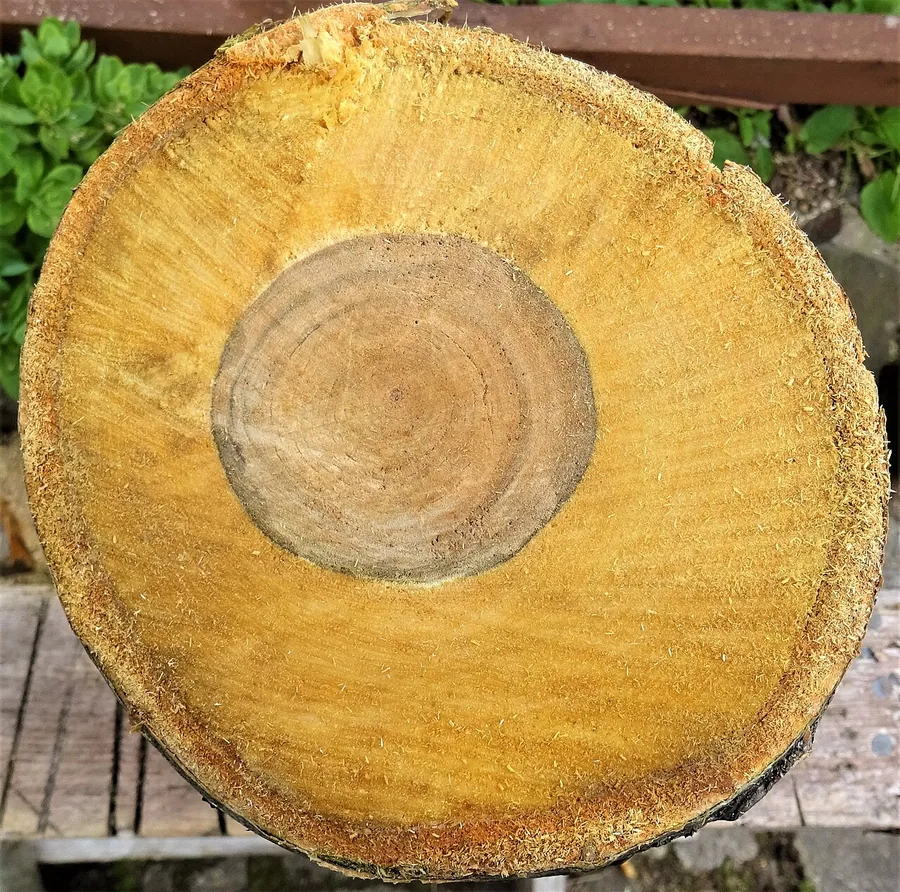
Compare your tree against these to confirm the species and spot problems early.



).jpg)
Sources
- Wikipedia: *Sorbus aucuparia*
- RHS: *Sorbus aucuparia* (rowan)
- Woodland Trust: Rowan (*Sorbus aucuparia*)
Where to buy a Rowan bonsai
We don’t stock Rowan at the moment. These species need similar care and we have them now — they are the closest match in our catalogue.
- Blueberry — similar care, in stock now
Browse all bonsai trees for sale or find a species matched to your climate and space.
- All species
- Shop bonsai trees, tools & supplies
- How to Water a Bonsai (Without Killing It)
- Bonsai Soil: What to Buy, What to Mix, and What It Costs
- Why Bonsai Die After Repotting: Diagnosing a Failed Repot
- Pruning vs. Pinching: Shaping Your Bonsai
- Overwintering Bonsai: Cold-Season Care
- Indoor Bonsai Light and Humidity: Making a Windowsill Actually Work
- Root Rot on bonsai
- Underwatering (Drought Stress) on bonsai
- Winter / Frost Damage on bonsai
- Scale Insects on bonsai
- Aphids on bonsai
- Amur Maple bonsai care
- Beautyberry bonsai care
- Blueberry bonsai care
- Common Hackberry bonsai care