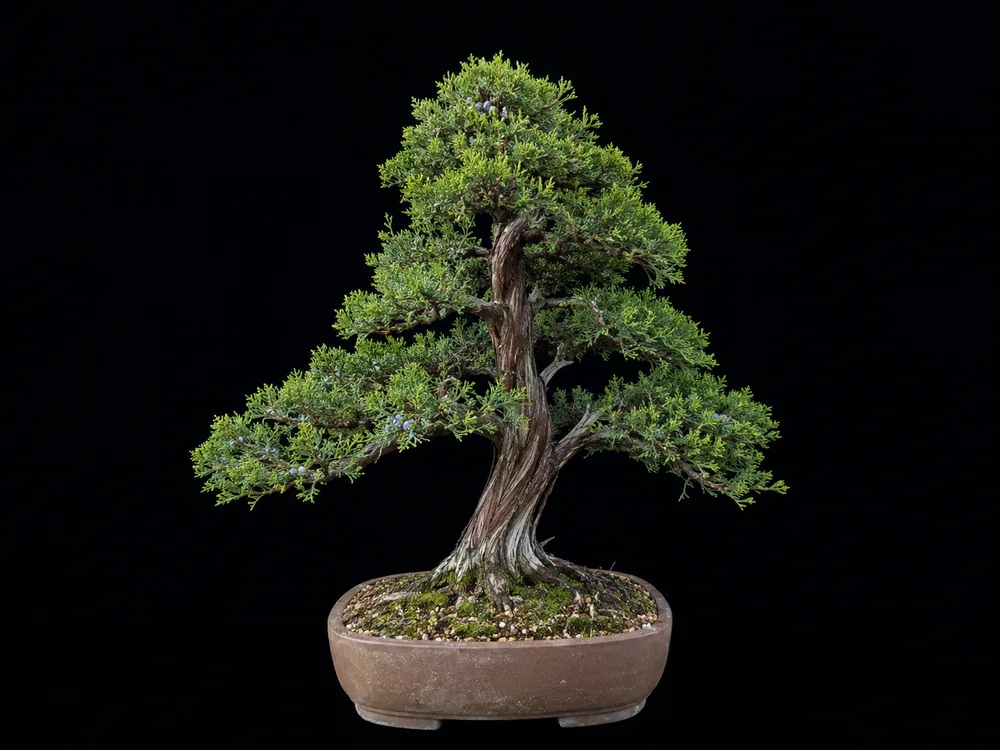
Eastern White Pine Bonsai Care
Pinus strobus
Zones 3 to 8, outdoor only. A soft, graceful five-needle pine native to eastern North America. Most are lost to overwatering.
Pinaceae (pine family) · Evergreen coniferous tree (five-needle / white pine group)
Eastern White Pine quick reference
| USDA zones | 3–8 |
|---|---|
| Indoor / outdoor | Outdoor only — full sun, fresh air, winter dormancy |
| Light | Full sun, 6–8 hours; light afternoon shade in extreme heat |
| Water | Slightly moist, well-drained — let it dry a little, never soggy |
| Soil | Free-draining, gritty inorganic mix |
| Repot | Every 3–5 years (single-flush pine; infrequent) |
| Frost | Very hardy; protect potted roots from severe freeze |
| Mature height (as bonsai) | Tree to 50 m; kept 40-90 cm as bonsai |
| Growth rate | Moderate to fast |
| Season of interest | Year-round evergreen, soft blue-green needles |
| Leaf reduction | Moderate with candle pruning |
| #1 cause of death | Root rot from overwatering/poor drainage; weakening from wrong-timed work |
Overview & Character
Eastern White Pine is a soft, graceful five-needle pine native to eastern North America, with fine blue-green needles in bundles of five, smooth grey young bark maturing to blocky furrows, and an elegant, layered habit. It makes a beautiful, hardy bonsai well suited to informal upright, windswept, and forest plantings.
It is a single-flush pine (one wave of growth per year), so it is not decandled like Japanese Black Pine; vigor is managed by candle/shoot selection and careful pruning instead. One practical limitation: its needles do not reduce as readily as some pines, so it is generally most effective at medium to large sizes rather than tiny shohin. It is very cold-hardy and grows outdoors year-round.
Identification
Foliage: Soft, slender, blue-green needles in bundles (fascicles) of five, ~6–12 cm long, flexible and fine-textured — the "five-needle, soft" combination is the key tell among pines.
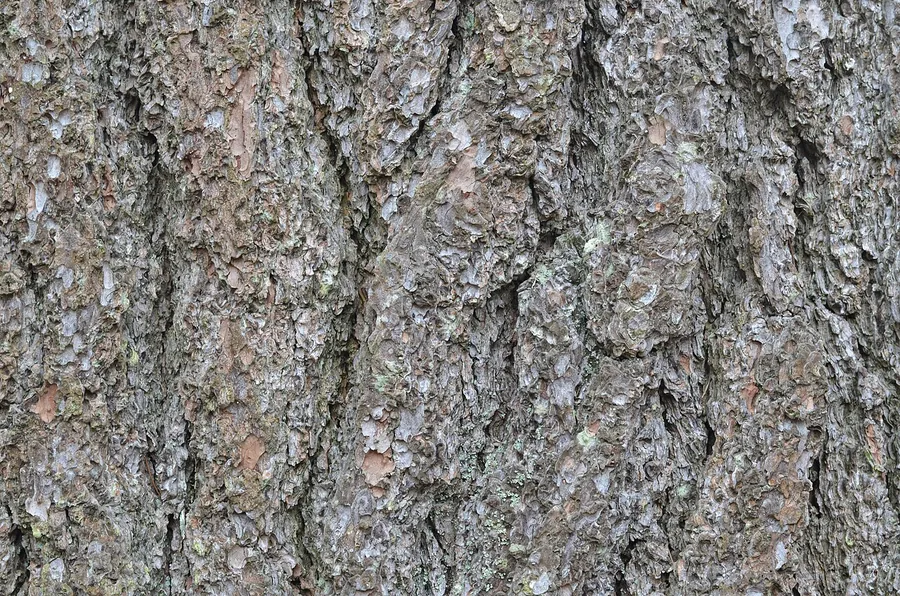
Bark & trunk: Smooth grey-green on young trees, maturing to grey-brown bark with broad, blocky furrows/plates.
Growth habit / form: Graceful, with horizontal, layered, tiered branching and a single annual flush; suits informal upright, windswept, literati, and forest/group styles.
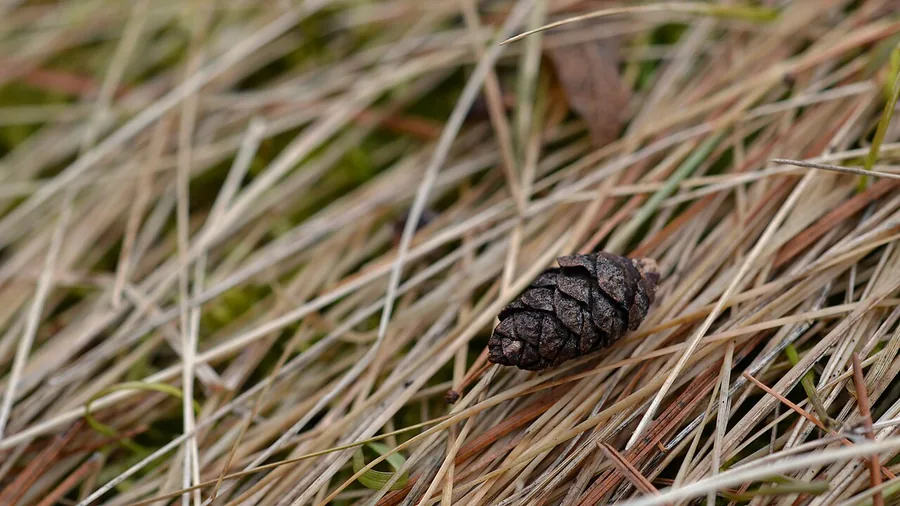
Cones: Slender, curved, pendulous woody cones ~8–20 cm, often resin-flecked, ripening over two seasons.
Look-alikes & how to tell them apart: The fascicle count separates it cleanly — count needles per bundle: five = white-pine group (incl. P. strobus and Japanese White Pine P. parviflora); two or three needles point to red/black/scots/ponderosa pines. Versus Japanese White Pine, P. strobus has longer, softer, less densely tufted needles and a more open, graceful habit.
Climate & USDA Zone
Very hardy in USDA zones 3–8. It needs full sun, fresh air, and a genuine winter dormancy (about three months of cold), grown outdoors year-round. The tree is extremely cold-hardy, but exposed potted roots are more vulnerable than ground roots — shelter the pot, mulch, or heel it in during severe freezes. It is not an indoor plant.
Light
Full sun — 6–8 hours daily. Strong light keeps needles shorter and growth compact and supports bud strength; in low light needles lengthen and the tree opens up and weakens. Light afternoon shade is acceptable in extreme summer heat, but in general maximize sun.
Watering
Keep slightly moist but well-drained — let the surface dry somewhat between waterings, and never leave it soggy.
- Water thoroughly when the soil begins to dry; this species likes slightly moist (not constantly wet) soil and is sensitive to root rot in waterlogged conditions.
- Don't let the rootball go bone-dry for long, but a wet/dry cycle with sharp drainage is ideal.
- Excellent drainage is essential.
Soil & Root Care
Soil: A free-draining, gritty inorganic mix (akadama / pumice / lava, often leaning to pumice/lava for sharp drainage). Pines partner with mycorrhizal fungi (white webbing in the soil) — preserve it at repotting.
Repotting:
- Frequency: every 3–5 years — infrequent, as befits a single-flush pine; young trees a little more often.
- Timing: early spring, as buds begin to swell, before the candles extend.
- Remove up to ~1/3 of the roots; do not bare-root; keep core roots and some mycorrhizal soil.
- Aftercare: shelter from harsh sun/wind; keep appropriately watered (not soggy); resume feeding once recovered.
Feeding
Feed through the growing season with a slow-release/organic fertilizer (sparingly, every 1–2 months) to build steady vigor; heavier autumn feeding builds reserves for the next year. Because it is single-flush, the black-pine "stop feeding before decandling" rule does not apply. Don't feed freshly repotted or dormant trees.
Pruning & Styling
- Single-flush — do NOT decandle. Unlike Japanese Black Pine, this pine makes one flush a year; removing the whole candle won't reliably give a useful second flush. Instead manage vigor by selecting and shortening candles in spring (reduce strong candles, leave weaker ones) to balance energy.
- Trimming: trim back new growth to the farthest point that suits the design, but never remove all of the new growth on a branch.
- Needle/bud work: thin old needles and excess buds in autumn to balance strength and let light into the interior.
- Pruning & wiring: structural pruning and wiring are best in late autumn; leave wire on up to ~6–8 months and watch for bite on the bark.
- Suits informal upright, windswept, literati, and forest styles; best at medium–large sizes given limited needle reduction.
Propagation & Cuttings
Ease: Slow from seed; graft for selections. Best method: seed.
Pinus strobus is grown from seed (pines don't root from cuttings): cold-moist stratify ~1–2 months and sow in spring in lean, gritty mix; germination is fair and seedlings are moderately fast for a pine. Dwarf cultivars are side-veneer grafted onto white-pine understock. For bonsai, this soft five-needle pine benefits from seedling stock grown with mycorrhizae; it back-buds less readily than black pine, so keep interior growth and shorten candles to build compact foliage.
Pests
- Aphids (on new shoots/candles)
- Pine needle scale and other scale insects
- Spider mites (hot, dry conditions)
- Sawfly larvae / caterpillars (chew needles)
- Bark beetles / borers / weevils (attack stressed or weakened trees)
- White pine weevil can kill leaders on susceptible trees
Treat with horticultural oil, insecticidal soap, or appropriate systemics; vigor is the best defense against borers/weevils.
Disease, Fungus & Infection
- **Root rot (Phytophthora / Pythium)** — from overwatering/poor drainage; the principal disease risk.
- **White pine blister rust (Cronartium ribicola)** — a serious fungal disease of five-needle pines (alternate host: currants/gooseberries, Ribes); causes cankers and dieback. Keep trees vigorous, prune out cankers, avoid proximity to Ribes.
- Needle cast fungi — needle browning/drop in prolonged wet, humid, low-airflow conditions; improve airflow, remove affected needles, fungicide if persistent.
Prevention: full sun, sharp drainage, strong airflow, correct watering, and tool sanitation.
Most Common Causes of Death
1. Root rot from overwatering / poor drainage. The top killer; gritty free-draining mix and a wet/dry cycle. 2. Wrong-timed or excessive work. Don't decandle (it's single-flush) and don't stack repotting with heavy pruning in one year. 3. Removing all new growth / cutting to bare wood. Weakens or kills branches; always leave foliage. 4. Insufficient sun. Long needles, weak open growth, poor health. 5. Blister rust / borers on a weak tree; unprotected winter roots. Keep vigor high; shelter roots in severe freezes.
Seasonal Calendar
- Early spring: Repot if due (before candles extend); candles begin to move.
- Spring: Select/shorten candles to balance vigor; full sun; begin feeding.
- Summer: Water on a wet/dry cycle; light afternoon shade in extreme heat; monitor pests.
- Autumn: Needle/bud thinning; structural pruning and wiring; heavier feeding to build reserves.
- Winter: Dormant outdoors; protect potted roots from severe freeze; leave wire (watch for bite).
Close-up photo reference
Compare your tree against these to confirm the species and spot problems early.


Sources
Where to buy a Eastern White Pine bonsai
We don’t stock Eastern White Pine at the moment. These species need similar care and we have them now — they are the closest match in our catalogue.
- Japanese Black Pine — similar care, in stock now
- Japanese White Pine — similar care, in stock now
- Pitch Pine — similar care, in stock now
Browse all bonsai trees for sale or find a species matched to your climate and space.
- All species
- Shop bonsai trees, tools & supplies
- How to Water a Bonsai (Without Killing It)
- Bonsai Soil: What to Buy, What to Mix, and What It Costs
- Why Bonsai Die After Repotting: Diagnosing a Failed Repot
- Pruning vs. Pinching: Shaping Your Bonsai
- Overwintering Bonsai: Cold-Season Care
- Indoor Bonsai Light and Humidity: Making a Windowsill Actually Work
- Root Rot on bonsai
- Overwatering on bonsai
- Winter / Frost Damage on bonsai
- Insufficient Light (Etiolation) on bonsai
- Spider Mites on bonsai
- Japanese Black Pine bonsai care
- Japanese White Pine bonsai care
- Pitch Pine bonsai care
- Ponderosa Pine bonsai care