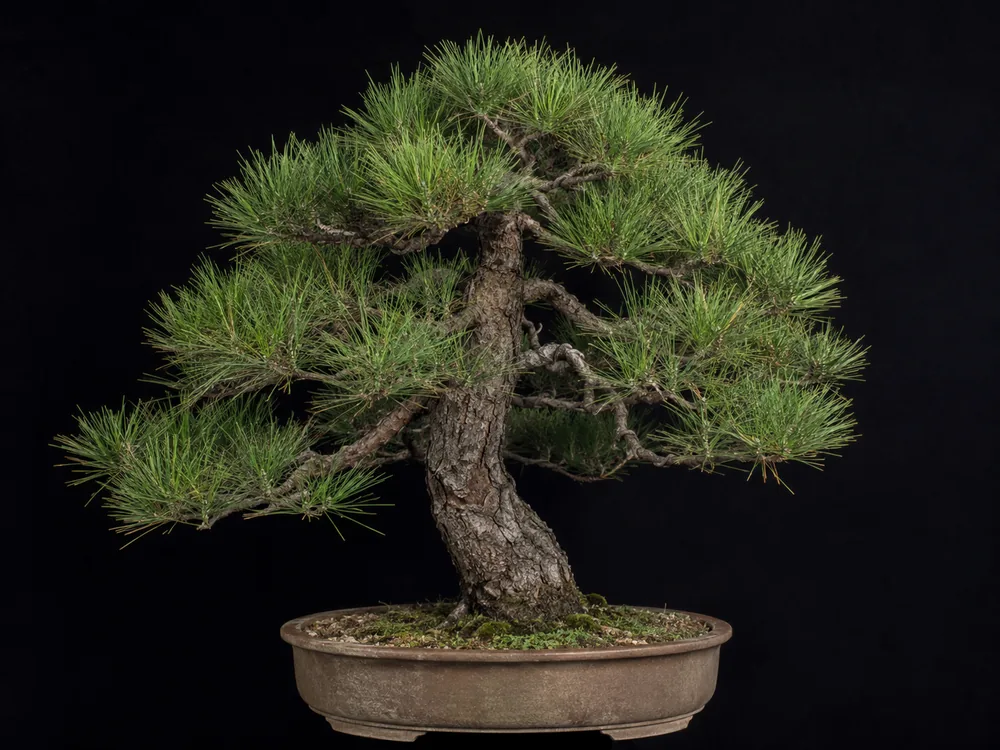
Italian Stone Pine Bonsai Care
Pinus pinea
Zones 8 to 11, outdoor. The iconic umbrella-canopied Mediterranean pine (source of pine nuts) used. Most are lost to overwatering.
Pinaceae (pine family) · Evergreen coniferous tree
Italian Stone Pine quick reference
| USDA zones | 8–11 |
|---|---|
| Indoor / outdoor | Outdoor (one of few pines tolerating brief indoor spells in a cool, bright room) |
| Light | Full sun — bright, sunny position |
| Water | Let it nearly dry between waterings — never waterlogged; sparing in winter |
| Soil | Very free-draining, gritty mix |
| Repot | Infrequent (every 4–5+ years); never bare-root |
| Frost | Tender-ish — keep cool but just above freezing in winter |
| Mature height (as bonsai) | Tree to 25 m; 30-70 cm as bonsai |
| Growth rate | Moderate |
| Season of interest | Year-round foliage, umbrella crown |
| Leaf reduction | Limited - long juvenile needles |
| #1 cause of death | Root rot from wet soil (yellowing needles); bare-rooting/over-rootwork |
Overview & Character
The Italian Stone Pine is the iconic umbrella-canopied Mediterranean pine (source of pine nuts) used for bonsai, valued for the lovely silvery blue-green juvenile foliage of young plants and a fast-developing trunk. Unusually for a pine, it tolerates brief spells in a cool, bright indoor room, and it produces both juvenile and adult needle types.
It wants full sun, a near-dry-down between waterings (yellow needle-tips signal soil too wet), and sharp drainage. Like all pines it must never be bare-rooted and dislikes root disturbance, so repot infrequently and don't prune roots and repot at the same time as heavy work. Its needles can grow long, so it suits medium-to-large bonsai rather than tiny shohin.
Identification
Foliage: Two needle types: soft, silvery blue-green juvenile needles (single) on young plants, maturing to stiff adult needles in bundles of two ~10–20 cm; the bright bluish juvenile foliage is a prized feature of young bonsai.
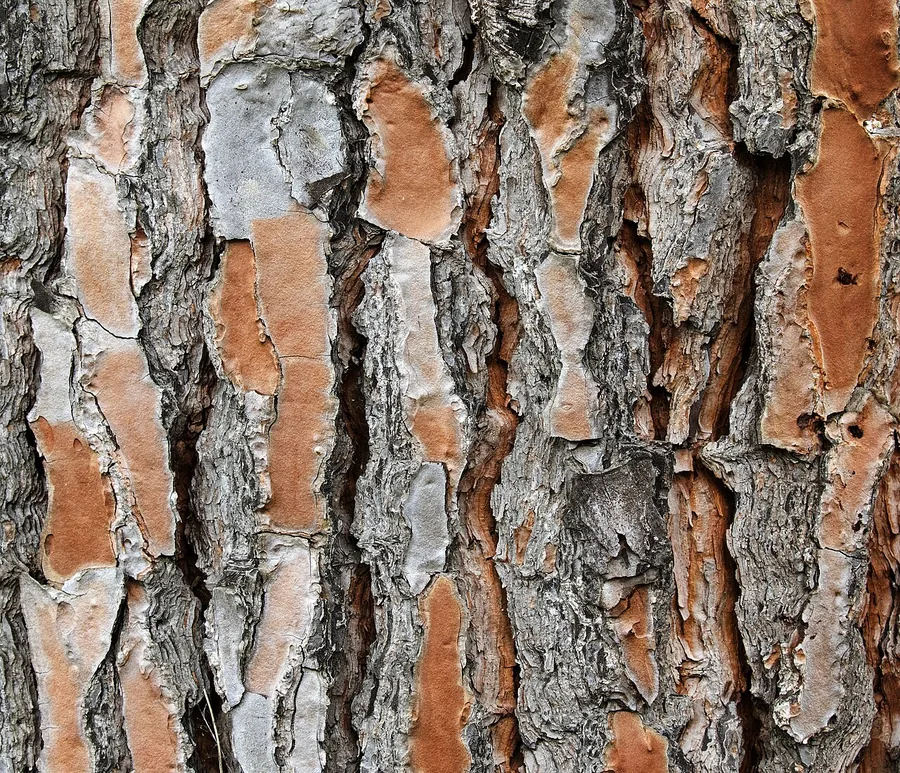
Bark & trunk: Reddish-brown, fissuring into broad, scaly grey-brown plates with age.
Growth habit / form: Develops the characteristic broad, flat, umbrella-shaped canopy with age; suits informal upright and umbrella/parasol styling at medium-to-large size.
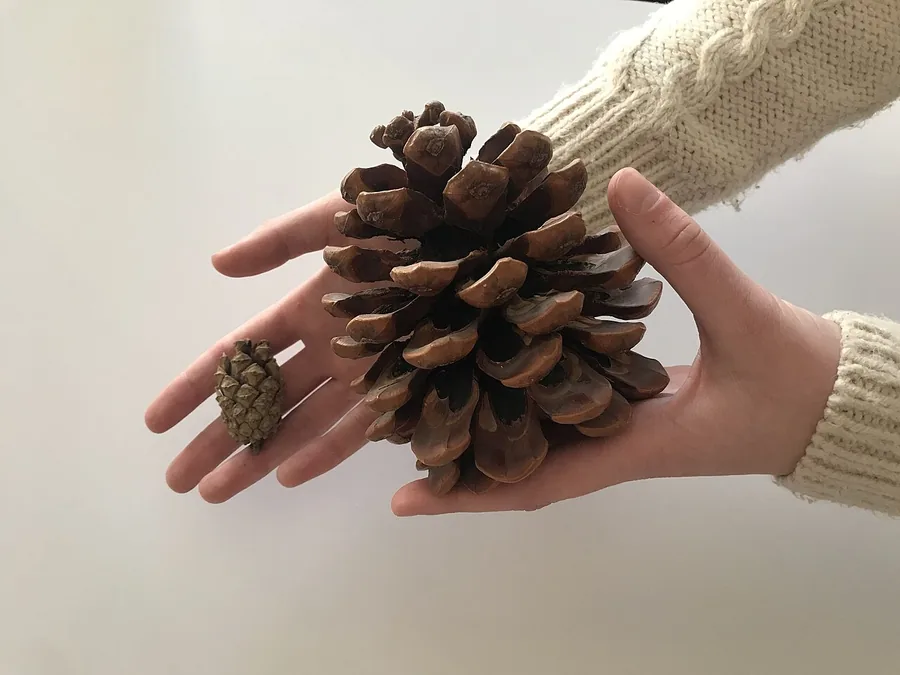
Flowers / fruit: Large, rounded, glossy brown cones ~8–15 cm holding the edible pine nuts (pignoli); ripen over ~three years.
Look-alikes & how to tell them apart: The bluish juvenile foliage and broad umbrella crown are distinctive; adult two-needle bundles resemble other Mediterranean pines, but the rounded umbrella canopy and large edible-seeded cones identify P. pinea.
Climate & USDA Zone
Hardy in USDA zones 8–11. A warm-temperate Mediterranean pine; keep it outdoors in full sun through the growing season, and in winter keep it cool but just above freezing (it is not fully cold-hardy). It (with Aleppo Pine) is among the very few pines that tolerate brief indoor spells, provided it gets a cool winter rest.
Light
Full sun — a bright, sunny position. Strong light keeps it healthy and the foliage colored; if kept indoors intermittently it still needs the brightest possible spot and a cool winter.
Watering
Let the soil almost dry out between waterings, then water thoroughly — and keep it sparing in winter.
- Yellowing needle-tips mean the soil is too wet; brown tips can signal salt build-up from over/under-watering — aim for a clear wet/dry cycle.
- Don't let the roots fully dry out, but never keep them soggy.
- Sharp drainage is essential.
Soil & Root Care
Soil: A very free-draining, gritty pine mix (pumice/lava-heavy with some akadama). Pines partner with mycorrhizal fungi — preserve it at repotting.
Repotting:
- Infrequent — every 4–5+ years. Never bare-root a pine and avoid root-pruning if at all possible; keep core roots and mycorrhizal soil.
- Do not prune and repot in the same season.
- Aftercare: shelter, keep on the drier side (not soggy) while recovering.
Feeding
Feed a slow-release/organic fertilizer through the growing season to build steady vigor; heavier autumn feeding builds reserves. Don't feed freshly repotted or dormant trees.
Pruning & Styling
- Single-flush pine — manage by candle/shoot selection, not by black-pine-style decandling; shorten strong candles in spring to balance vigor and leave foliage on branches you keep.
- Needle length: needles grow long, so keep the tree medium-to-large for proportion; don't try to make it tiny.
- Wiring: wire in winter; if wired in winter you can usually remove the wire by mid-summer. Protect the bark.
- Don't combine heavy pruning with repotting. Suits informal upright and umbrella/parasol styles.
Propagation & Cuttings
Ease: Easy from seed (pine seed = pine nuts). Best method: seed.
Pinus pinea grows from its large edible seeds (pine nuts): soak, give a short cold-moist stratification (2–4 weeks), and sow in spring in gritty mix; germination is good and the juvenile blue foliage is distinctive. As with all pines, cuttings don't root; selections are grafted. For bonsai, start seedlings with mycorrhizae and grow lean and sunny; the species is slow to transition from juvenile to adult needles, so patience and candle management shape the compact head.
Pests
- Aphids (on candles/new shoots)
- Pine processionary caterpillar (a serious Mediterranean pine pest)
- Scale insects and pine needle scale
- Spider mites (hot, dry conditions)
Treat with horticultural oil, insecticidal soap, or appropriate systemics; catch infestations early.
Disease, Fungus & Infection
- **Root rot (Phytophthora / Pythium)** — from wet soil/poor drainage; the chief risk (signaled by yellowing needles).
- Needle cast / blight fungi — needle browning in prolonged wet, humid, low-airflow conditions; improve airflow, remove affected needles.
- Salt build-up — brown needle tips from watering imbalance; flush the soil, correct watering.
Prevention: full sun, very sharp drainage, a clear wet/dry cycle, airflow, and a cool frost-free winter.
Most Common Causes of Death
1. Root rot from wet soil. The top killer — let it nearly dry between waterings; yellow needle-tips warn of overwatering. 2. Bare-rooting or heavy root-pruning. Never bare-root a pine; repot infrequently and gently. 3. Doing too much at once. Don't combine repotting with heavy pruning. 4. Hard frost. Keep cool but just above freezing in winter. 5. Keeping it too small. Long needles need a medium-to-large tree for proportion (a design failure, not death — but it ruins the bonsai).
Seasonal Calendar
- Spring: Candles extend; shorten strong candles to balance vigor; begin feeding; full sun. (Repot only if due — not the same year as heavy pruning.)
- Summer: Wet/dry watering; full sun; remove winter wire by mid-summer if applied; monitor for caterpillars/aphids.
- Autumn: Heavier feeding to build reserves; light structural work.
- Winter: Keep cool but just above freezing; water sparingly; wire now if needed; (brief bright indoor spells tolerated with a cool rest).
Close-up photo reference
Compare your tree against these to confirm the species and spot problems early.


Sources
Where to buy a Italian Stone Pine bonsai
We don’t stock Italian Stone Pine at the moment. These species need similar care and we have them now — they are the closest match in our catalogue.
- Japanese Black Pine — similar care, in stock now
Browse all bonsai trees for sale or find a species matched to your climate and space.
- All species
- Shop bonsai trees, tools & supplies
- How to Water a Bonsai (Without Killing It)
- Bonsai Soil: What to Buy, What to Mix, and What It Costs
- Why Bonsai Die After Repotting: Diagnosing a Failed Repot
- Pruning vs. Pinching: Shaping Your Bonsai
- Overwintering Bonsai: Cold-Season Care
- Indoor Bonsai Light and Humidity: Making a Windowsill Actually Work
- Root Rot on bonsai
- Overwatering on bonsai
- Underwatering (Drought Stress) on bonsai
- Winter / Frost Damage on bonsai
- Spider Mites on bonsai
- Eastern White Pine bonsai care
- Japanese Black Pine bonsai care
- Shore Pine (Lodgepole) bonsai care
- Bristlecone Pine bonsai care