
American Elm Bonsai Care
Ulmus americana
Zones 2 to 9, outdoor. The classic street tree of North America, once famous for the soaring. Most are lost to fungal disease.
Ulmaceae (the elm family) · Deciduous broadleaf tree; outdoor bonsai
At a glance
- Type
- Deciduous
- Leaves
- Deciduous
- USDA zones
- 2 to 9
- Indoor or outdoor
- Outdoor
- Growth rate
- Fast
- Bonsai popularity
- Tier 1
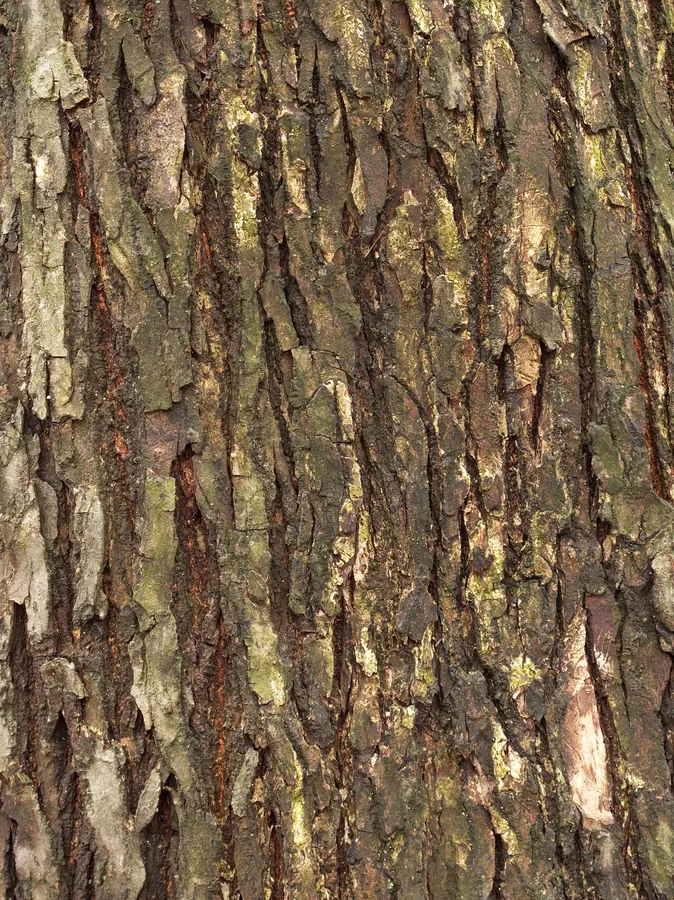
Close-up photo reference
Compare your tree against these to confirm the species and spot problems early.

American Elm quick reference
| USDA zones | 2 to 9 |
|---|---|
| Indoor / outdoor | Outdoor; it needs a real winter dormancy (unlike tropical Chinese elm) |
| Light | Full sun to part shade; full sun gives the tightest growth |
| Water | Moisture-loving; keep evenly moist, tolerates wet, dislikes prolonged drought |
| Soil | Free-draining bonsai mix that holds some moisture (akadama, pumice, lava with organic) |
| Repot | Every 2 to 3 years for young trees; every 3 to 4 years once mature |
| Frost | Extremely cold-hardy in the ground; protect potted roots below about 23°F (-5°C) |
| Mature height | 70 to 90 ft (21 to 27 m) in the landscape [s3] |
| Growth rate | Fast [s3] [s5] |
| Season of interest | Yellow fall color; its small early spring flowers are not showy [s3] [s4] |
| Leaf reduction | Not rated by the sources we checked |
| #1 cause of death | Dutch elm disease (fungal wilt spread by elm bark beetles) |
Overview & Character
The American elm is the classic street tree of North America, once famous for the soaring, vase-shaped canopies that arched over countless town avenues before Dutch elm disease devastated the mature population in the twentieth century. That signature form (a straight trunk dividing into strongly upward-and-outward arching limbs that spread into a fine, fountain-like crown) is exactly what makes it a compelling bonsai. It is fast-growing, back-buds freely, tolerates hard pruning, and builds fine ramification quickly, so it develops the look of a mature tree in relatively few years. Its small, doubly serrated leaves reduce well, keeping good proportion at a range of bonsai sizes.
Do not confuse this species with the Chinese elm (Ulmus parvifolia) that dominates the beginner market and is often grown semi-indoors; the American elm is a fully hardy, deciduous, cold-climate tree that needs a genuine winter dormancy outdoors. It ranges across an enormous span of USDA zones, from 2 to 9, and tolerates wet soils in the wild. The one great shadow over the species is Dutch elm disease, a lethal fungal wilt spread by bark beetles, which remains the most important threat to any elm and the single biggest thing to guard against. A vigorous, well-kept American elm is otherwise a tough, forgiving and rewarding subject.
Identification
Foliage: alternate leaves, 2 3/4 to 6 in (7 to 15 cm) long, oval with a pointed tip and a distinctly asymmetric (lopsided) base, with doubly serrated margins and prominent straight veins; the surface is often somewhat rough. Autumn color is a clear yellow. Bark and trunk: mature bark is gray, deeply furrowed into interlacing ridges; a cut cross-section of the bark shows alternating light and dark layers. Growth habit: an upright trunk flaring into the characteristic vase or fountain shape. Flowers and fruit: small, inconspicuous reddish flowers appear in very early spring before the leaves; the fruit is a flat, papery, oval samara with the seed in the center and a hairy-fringed margin, ripening in spring.
Look-alikes & how to tell them apart: American elm has alternate (not opposite) leaves and single, wafer-like round-oval samaras, which immediately separate it from the maples with their opposite leaves and paired winged samaras. Its lopsided leaf base and doubly serrated margin distinguish it from the smaller, more leathery-leaved Chinese elm, and its very early single flat samaras differ from the hackberry's fleshy berry-like fruit. Slippery elm (Ulmus rubra) has rougher leaves and reddish inner bark.
Climate & USDA Zone
American elm is remarkably cold-hardy, thriving across USDA zones 2 to 9, one of the widest ranges of any bonsai tree, and it needs a real winter dormancy each year. It is an outdoor tree, distinct from the tender-treated Chinese elm. In the wild it grows in bottomlands and along rivers and tolerates periodically wet soils, which is why it accepts generous watering. It handles both harsh northern cold and warm southern summers, making it adaptable across most of the continent.
Light
Give American elm full sun to partial shade. Full sun produces the tightest internodes, smallest leaves and best structure, which is what you want for developing ramification. In very hot climates a little afternoon shade reduces water stress, but the species is generally sun-loving and vigorous. Too much shade yields leggy shoots and oversized leaves, so keep it in strong light for the best bonsai qualities.
Watering
American elm is a moisture-loving, wet-tolerant tree (it grows naturally on riverbanks and floodplains) so keep it evenly and generously moist. It forgives an occasional soggy period far better than it forgives drought, and a shallow bonsai pot on a fast-growing elm dries quickly. Water thoroughly whenever the surface begins to dry, which in the growing season often means daily and sometimes twice daily in summer. Still, use a draining mix so the roots have air; "moist" means reliably damp, not stagnant. Reduce watering in winter dormancy to keep the root ball from fully drying out.
Soil & Root Care
Use a free-draining bonsai substrate that retains a fair amount of moisture: akadama, pumice and lava with a modest organic fraction suits this thirsty species. American elm is a vigorous, strongly fibrous rooter. Repot young trees every 2 to 3 years and mature ones every 3 to 4 years, in early spring as the buds swell. Comb out old soil, cut back thick and circling roots, and remove up to about a third of the root mass on an established tree. Its strong root growth builds an impressive flared nebari that supports the vase-shaped trunk beautifully.
Feeding
Feed generously for this vigorous species, from after the spring leaves harden through the growing season, easing off only in severe heat and stopping before dormancy. A balanced organic fertilizer works well and supports the strong ramification elms are known for. As with any bonsai, moderate the nitrogen on refined trees to keep leaves small and internodes short. A lower-nitrogen feed late in the season builds root reserves for the following spring. Because elm grows fast, regular feeding through summer keeps pace with the frequent pruning it needs.
Pruning & Styling
American elm is a joy to prune: it back-buds prolifically, tolerates hard cutting, and builds fine twiggy ramification quickly, making it ideal for the informal upright and the classic vase/broom styles that echo its natural form. Do structural pruning in late winter while dormant and seal larger cuts. Through the growing season, let shoots extend a few nodes then cut back to one or two leaves, repeating as it flushes; this frequent clip-and-grow develops density fast. Partial defoliation of vigorous trees reduces leaf size. Wire young shoots, which are flexible, and watch closely as the fast-thickening branches can be marked.
Seasonal Calendar
- Spring: Repot as buds swell (every 2 to 3 years). Let new growth extend, then begin the clip-and-grow cut-back once leaves harden. Start feeding after leaf-out. Watch for elm leaf beetle and aphids, and inspect for any early wilt.
- Summer: Water heavily and consistently; provide afternoon shade in very hot regions. Continue frequent cut-back and feed generously. Optional partial defoliation on vigorous trees. Stay alert to Dutch elm disease.
- Autumn: Enjoy the clear yellow color. Taper and then stop feeding. Do light clean-up pruning and clear fallen leaves.
- Winter: Fully dormant. Protect roots from hard freezes. Do structural pruning in late winter and seal large cuts. Water only enough to prevent drying out.
Care calendar by month
- Repot and root-prune: March
- Prune, wire and shape: February, June to July
- Feed: April to September
- Air-layer or take cuttings: May to June
Propagation & Cuttings
Ease: Easy. Best methods: cuttings and seed; also root cuttings.
Like most elms, this species roots readily. Take softwood or semi-hardwood cuttings in late spring to early summer, dip in 0.1 to 0.3% IBA, and root under humidity in free-draining mix; they strike in a few weeks. Hardwood cuttings in late winter also work. Elms sucker freely, so root cuttings (pencil-thick root sections, 2 to 3 1/4 in / 5 to 8 cm, laid horizontally in spring) are a reliable extra method. Seed is viable but American elm seed is short-lived: sow fresh in late spring as soon as the samaras ripen, with little or no stratification. For bonsai this vigor means fast thickening and easy replacement of lost branches via cuttings.
Pests
Elm leaf beetle is the classic elm pest, its adults and larvae skeletonizing the leaves; pick off or treat as needed. Aphids cluster on new growth with honeydew and sooty mold, controlled by rinsing or insecticidal soap. Scale insects appear as bumps on stems and respond to horticultural oil. Spider mites flare in hot, dry conditions and stipple the foliage; raise humidity and hose the leaves. Most importantly, the native and European elm bark beetles are the vectors of Dutch elm disease, so any beetle activity on an elm deserves attention.
Disease, Fungus & Infection
Dutch elm disease is the defining threat: a lethal fungal wilt (Ophiostoma species) spread by elm bark beetles and through connected roots, it plugs the tree's water-conducting vessels and causes wilting, yellowing and rapid dieback, usually flagging first on one branch before spreading. There is no reliable cure once established, so prevention is everything: keep the tree vigorous, promptly prune out and destroy any suspicious wilting branch (sterilizing tools between cuts), and control bark beetles. Elm phloem necrosis (elm yellows) is another serious wilt. Anthracnose and black spot cause leaf blotching in wet, crowded conditions and are reduced with airflow, careful watering and sanitation.
Most Common Causes of Death
1. Dutch elm disease. A lethal fungal wilt spread by elm bark beetles, and the number-one killer of the species. Keep the tree vigorous, control beetles, and immediately prune out and destroy any wilting branch, sterilizing tools between cuts. 2. Drought and a dried-out root ball. Despite loving moisture, a fast-growing elm in a shallow pot dries quickly and a fully desiccated root ball can be fatal. Keep it evenly moist and check daily in summer. 3. Missing winter dormancy from indoor keeping. American elm needs real cold; treated like a tropical it declines. Overwinter outdoors with root protection. 4. Root rot from stagnant soil. Even a wet-tolerant elm suffocates in airless mix. Use a free-draining substrate and never let the pot sit in standing water. 5. Root freeze in the pot. Extremely hardy in the ground but the exposed potted roots are vulnerable; protect below about 23°F (-5°C).
Sources
- Bonsai Empire: Elm care
- Wikipedia: Ulmus americana
- UF/IFAS Extension: ENH-806/ST649: Ulmus americana: American Elm
- NC State Extension Gardener Plant Toolbox: Ulmus americana (American Elm)
- USDA Forest Service, Fire Effects Information System: Ulmus americana
Where to buy a American Elm bonsai
We don’t stock American Elm at the moment. These species need similar care and we have them now, they are the closest match in our catalogue.
- Chinese Elm, similar care, in stock now
Browse all bonsai trees for sale or find a species matched to your climate and space.
- All species
- Shop bonsai trees, tools & supplies
- How to Water a Bonsai (Without Killing It)
- Bonsai Soil: What to Buy, What to Mix, and What It Costs
- Why Bonsai Die After Repotting: Diagnosing a Failed Repot
- Pruning vs. Pinching: Shaping Your Bonsai
- Overwintering Bonsai: Cold-Season Care
- Indoor Bonsai Light and Humidity: Making a Windowsill Actually Work
- Root Rot on bonsai
- Underwatering (Drought Stress) on bonsai
- Winter / Frost Damage on bonsai
- Spider Mites on bonsai
- Scale Insects on bonsai
- Siberian Elm bonsai care
- Cedar Elm bonsai care
- Chinese Elm bonsai care
- Winged Elm bonsai care
- Common Hazel bonsai care
- Flowering Dogwood bonsai care