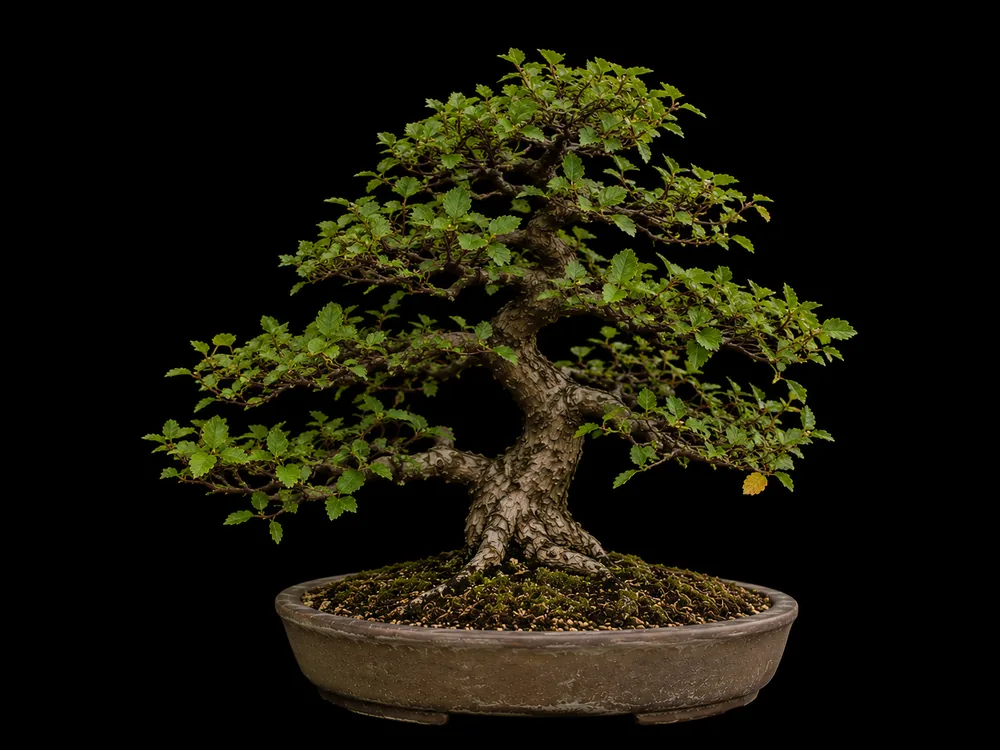
Siberian Elm Bonsai Care
Ulmus pumila
Zones 4 to 9, outdoor. An exceptionally tough, fast-growing deciduous elm from eastern Siberia, Central Asia. Most are lost to overwatering.
Ulmaceae (elm family) · Deciduous broadleaf tree
Siberian Elm quick reference
| USDA zones | 4–9 |
|---|---|
| Indoor / outdoor | Outdoor (deciduous; needs seasons and dormancy) |
| Light | Full sun — light shade only in extreme heat |
| Water | Generous, even moisture in growth; not waterlogged |
| Soil | Adaptable; a free-draining mix (akadama) is best |
| Repot | Every 2–3 years (vigorous; young more often) |
| Frost | Very hardy; tolerates drought and frost |
| Mature height (as bonsai) | Tree to 25m in nature; bonsai often 20-50cm. |
| Growth rate | Fast (very vigorous, hardy). |
| Season of interest | Spring flush and autumn yellow; fine ramification. |
| Leaf reduction | Good; small leaves reduce well with defoliation. |
| #1 cause of death | Overwatering in dormancy; whitefly/pest neglect |
Overview & Character
The Siberian Elm is an exceptionally tough, fast-growing deciduous elm from eastern Siberia, Central Asia, and northern China. It is hardy, drought- and frost-tolerant, recovers quickly from pruning, and back-buds freely — making it forgiving and ideal for beginners building a medium-sized tree relatively quickly. It develops a good trunk, fine twigging, and small leaves in a pot.
Its vigor is the headline: it grows fast and ramifies well, so it rewards frequent trimming. The main cautions are not to overwater it in winter dormancy and to watch for whitefly (often present on newly bought plants). It is frequently sold — sometimes mislabeled — alongside Chinese Elm.
Identification
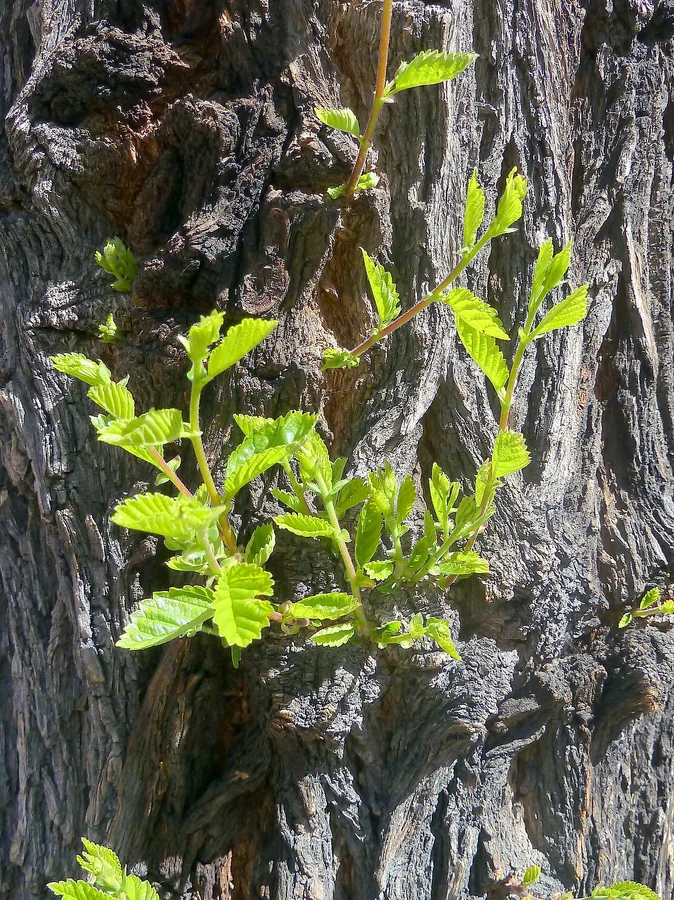
Foliage: Small, simple, alternate leaves ~2–7 cm, elliptic with a pointed tip and a singly- to weakly-doubly serrate margin; notably the leaf base is nearly symmetrical — unusual for elms, which usually have lopsided bases. Smooth, dark green, turning yellow in autumn.
Bark & trunk: Grey-brown bark becoming rough, furrowed, and shaggy with age; trunks thicken quickly.
Growth habit / form: Vigorous, fast, upright with abundant twiggy growth; suits informal upright, broom, and clump styles.
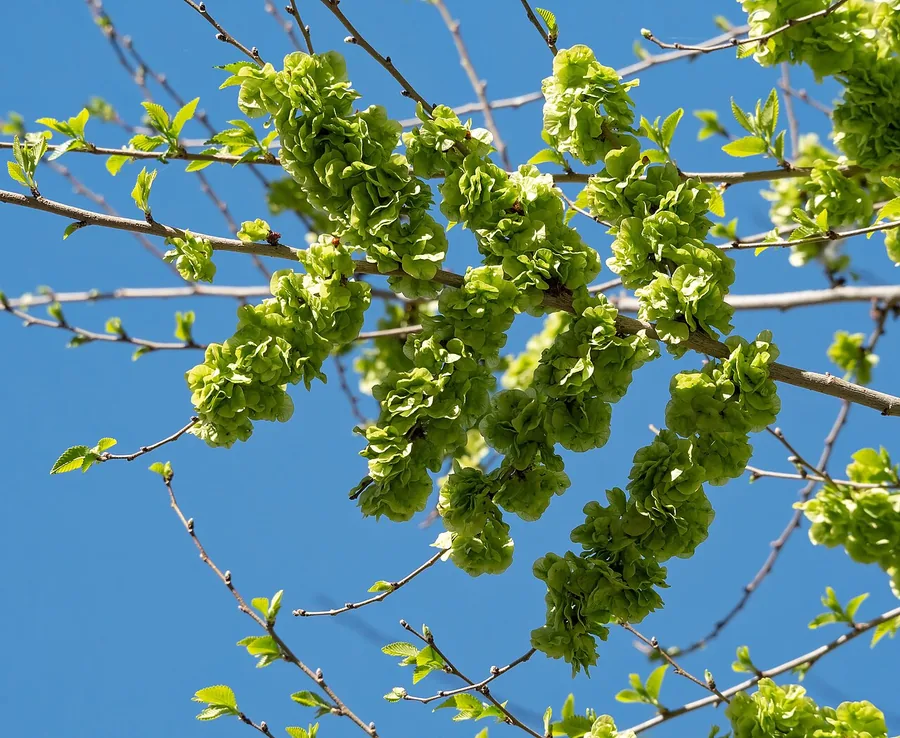
Flowers / fruit: Inconspicuous early-spring flowers followed by round, papery, winged samaras (~1 cm) with the seed in the center.
Look-alikes & how to tell them apart: Constantly confused with Chinese Elm (Ulmus parvifolia) — distinguish by bark and timing: Chinese Elm has mottled, flaking patchwork bark and seeds in autumn, whereas Siberian Elm has rough furrowed bark, a more symmetrical leaf base, and seeds in spring.
Climate & USDA Zone
Hardy in USDA zones 4–9, and famously tolerant of drought, wind, cold, and poor soil. It is deciduous and needs a winter dormancy, so it is grown outdoors year-round; the tree is cold-hardy, though potted roots still benefit from shelter in severe freezes.
Light
Full sun. Give it as much direct light as possible for compact growth, short internodes, and strong ramification; shade it only in extreme heat. Low light produces leggy, weak growth.
Watering
Likes generous, even moisture in growth — but avoid waterlogging, especially in dormancy.
- A thirsty grower; water well through the season as the surface begins to dry. It tolerates hard water fine.
- Reduce watering markedly when dormant — wet, cold soil on a leafless tree is the main rot risk.
- Use a free-draining mix so it can drink heavily without standing wet.
Soil & Root Care
Soil: Adaptable — it grows even in compact substrates — but a free-draining bonsai mix (akadama / pumice / lava) gives the best results.
Repotting:
- Frequency: every 2–3 years (young/vigorous trees more often, as they fill pots fast).
- Timing: early spring before bud break.
- Tolerates root pruning well; remove up to ~1/3.
- Aftercare: keep moist, sheltered, and resume feeding once growth restarts.
Feeding
Feed regularly through the growing season (every ~2–4 weeks) to fuel its vigor and ramification; ease off as it approaches dormancy. Don't feed freshly repotted or dormant trees.
Pruning & Styling
- Trimming: It back-buds readily and grows fast, so trim shoots back to 1–2 leaves frequently to build fine ramification.
- Wiring: wire during the growing season when branches are flexible; because it thickens fast, remove wire within ~2–3 months to avoid bite.
- Responds well to clip-and-grow and to fairly heavy pruning.
- Suits informal upright, broom, and clump styles.
Propagation & Cuttings
Ease: Very easy. Best methods: seed; cuttings; root cuttings.
Ulmus pumila seeds in spring and, sown fresh at once, germinates almost immediately with no dormancy — it self-sows aggressively. Softwood and hardwood cuttings root readily with light hormone, and root cuttings from suckers work. For bonsai it is fast and tough, thickening quickly and back-budding strongly; the leaves are larger and coarser than Chinese elm but reduce with ramification, and the vigour makes it very forgiving, easy material.
Pests
- Whitefly (the most common — check newly bought trees, which often arrive with larvae)
- Aphids (green aphids on new growth)
- Scale insects and resulting sooty mold
- Elm leaf beetle in some regions
Treat with horticultural oil, insecticidal soap, or appropriate systemics; catch infestations early.
Disease, Fungus & Infection
Tough and generally healthy; issues are mostly cultural:
- Root rot — from waterlogged soil, especially overwatering in dormancy.
- **Dutch elm disease (Ophiostoma)** — Siberian Elm is relatively resistant compared with American/European elms, but not immune; keep tools sanitized.
- Powdery mildew / leaf spot — in damp, stagnant, low-airflow conditions; improve airflow.
Prevention: full sun, free drainage, careful dormant-season watering, and pest control.
Most Common Causes of Death
1. Overwatering during dormancy. Cold, wet soil on a leafless tree rots roots — cut back water in winter. 2. Whitefly / pest neglect. Infestations weaken trees; inspect and treat early, especially new plants. 3. Root rot from poor drainage. Use a free-draining mix. 4. Letting a vigorous tree run. Without frequent trimming it makes long internodes and loses refinement. 5. Unprotected potted roots in severe freezes. Very hardy, but shelter the pot in extreme cold.
Seasonal Calendar
- Spring: Repot if due (before bud break); resume feeding; full sun; watch for whitefly/aphids.
- Summer: Water generously; trim often for ramification; wire (remove within ~2–3 months).
- Autumn: Yellow color; taper feeding/water as it goes dormant.
- Winter: Dormant/leafless; water sparingly; protect potted roots in hard freezes.
Close-up photo reference
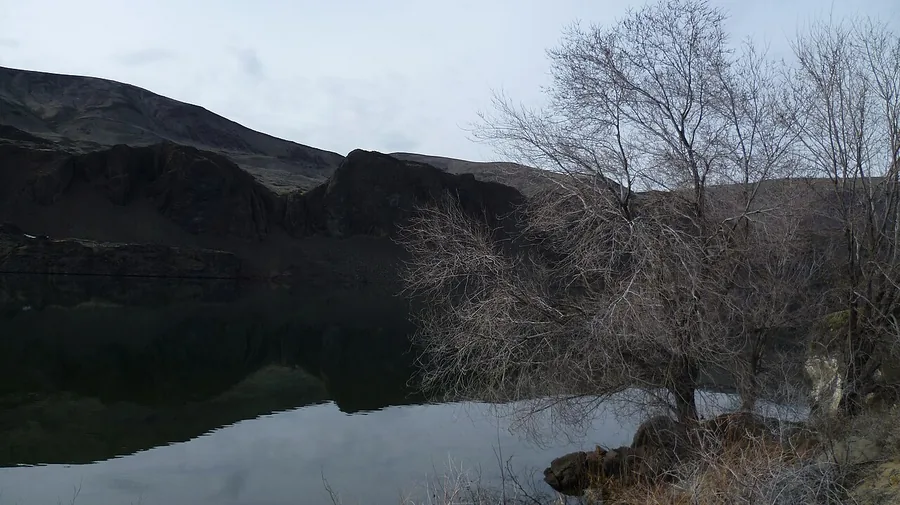
Compare your tree against these to confirm the species and spot problems early.



Sources
Where to buy a Siberian Elm bonsai
We don’t stock Siberian Elm at the moment. These species need similar care and we have them now — they are the closest match in our catalogue.
- Chinese Elm — similar care, in stock now
Browse all bonsai trees for sale or find a species matched to your climate and space.
- All species
- Shop bonsai trees, tools & supplies
- How to Water a Bonsai (Without Killing It)
- Bonsai Soil: What to Buy, What to Mix, and What It Costs
- Why Bonsai Die After Repotting: Diagnosing a Failed Repot
- Pruning vs. Pinching: Shaping Your Bonsai
- Overwintering Bonsai: Cold-Season Care
- Indoor Bonsai Light and Humidity: Making a Windowsill Actually Work
- Root Rot on bonsai
- Overwatering on bonsai
- Winter / Frost Damage on bonsai
- Insufficient Light (Etiolation) on bonsai
- Powdery Mildew on bonsai
- American Elm bonsai care
- Cedar Elm bonsai care
- Chinese Elm bonsai care
- Winged Elm bonsai care