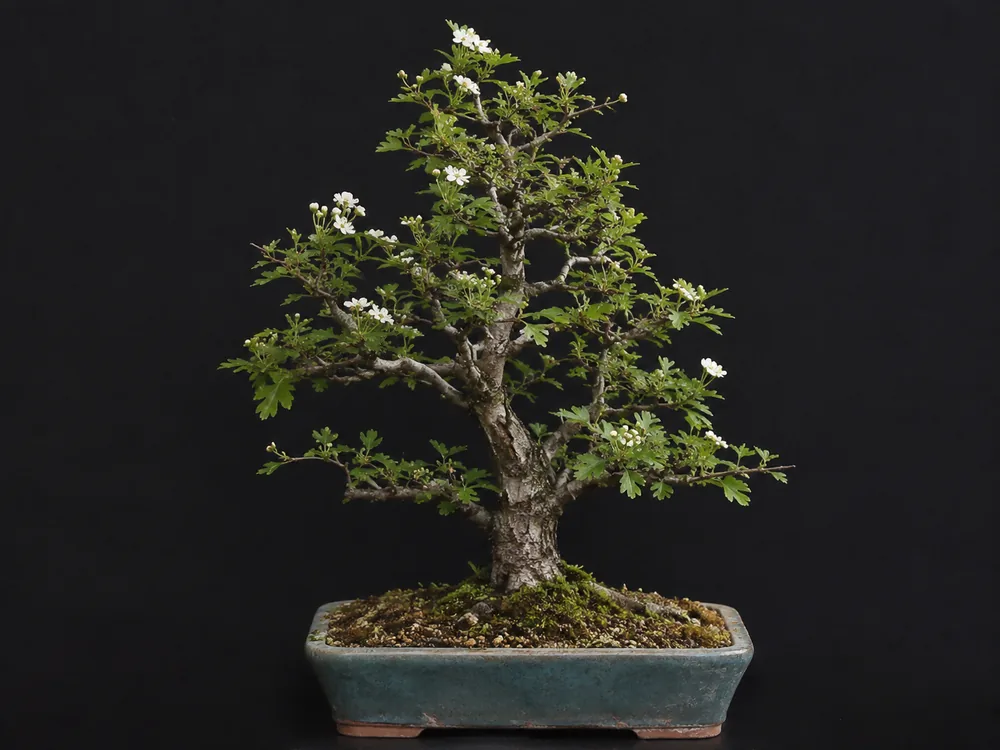
Hawthorn Bonsai Care
Crataegus monogyna
Outdoor only. A classic European deciduous bonsai, beloved for its gnarled, rugged bark, characterful aged trunks. Most are lost to drying out.
Rosaceae (rose family) · Deciduous, thorny woody tree/shrub; very hardy temperate (outdoor)
Hawthorn quick reference
| USDA zones | Roughly 4–8 (very cold-hardy) |
|---|---|
| Indoor / outdoor | Outdoor only — requires full winter dormancy; never an indoor bonsai |
| Light | Full sun (6+ hours); light afternoon shade above ~86°F (30°C) to avoid leaf scorch |
| Water | Evenly moist at all times — damp but never waterlogged and never bone-dry |
| Soil | Standard free-draining bonsai mix; undemanding |
| Repot | Every 2–3 years (young), 3–5 years (older), early spring before buds open |
| Frost | Very hardy (to ~14°F / –10°C in a pot); still shelter pot-bound roots from severe freezes |
| Mature height (as bonsai) | Tree to 10 m; 20-50 cm as bonsai |
| Growth rate | Moderate |
| Season of interest | White spring flowers, red autumn haws |
| Leaf reduction | Good |
| #1 cause of death | Root rot from poor drainage/waterlogging; also drought stress and (occasionally) fire blight |
Overview & Character
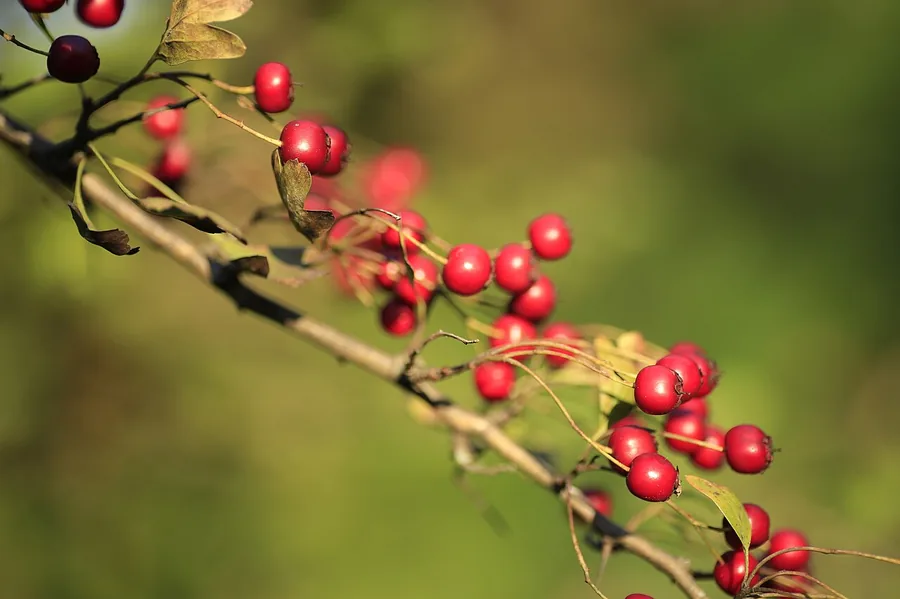
Hawthorn is a classic European deciduous bonsai, beloved for its gnarled, rugged bark, characterful aged trunks, fierce thorns, and a full seasonal show: a froth of white (sometimes pink) blossom in late spring — the "May" of English hedgerows — followed by clusters of red haws (berries) in autumn, with good yellow-to-orange foliage color before leaf drop. Crataegus monogyna (common/oneseed hawthorn) and C. laevigata (Midland hawthorn) are the species most used, and collected hedgerow specimens (yamadori) make some of the most striking deciduous bonsai.
Hawthorn is extremely tough and very cold-hardy. It back-buds well, tolerates hard pruning, and develops fine twigging and aged bark relatively quickly, rewarding patience with great character. It is strictly an outdoor tree that needs a real, cold winter dormancy. Mind the thorns when working on it.
Identification
Foliage: Alternate, deeply lobed leaves — the hallmark of Crataegus monogyna, which has 3–7 deep, narrow lobes cut well toward the midrib (C. laevigata has shallower lobes). Mid-green, matte to slightly glossy, turning yellow-to-orange before dropping. Deciduous.
Bark & trunk: Grey-brown bark that becomes deeply fissured, gnarled, and rugged with age — the prized character of old trunks and yamadori. Branches carry sharp thorns (stiff spurs up to ~1–2.5 cm).
Growth habit / form: Tough deciduous tree/shrub; back-buds well on old wood and develops fine twigging and aged, characterful bark relatively quickly.
Flowers / fruit: A profuse froth of white (sometimes pink) five-petalled blossom in late spring — the "May" blossom — followed by clusters of red berries called haws (each containing a single seed in C. monogyna).
Look-alikes & how to tell them apart: The combination of deeply lobed leaves, thorns, white May blossom, and red haws on a deciduous tree is diagnostic. The lobed leaf separates Hawthorn from every other species here, which all have simple unlobed leaves. Versus Pyracantha (its closest thorny look-alike): Pyracantha is evergreen with simple toothed leaves and orange/red berries in dense clusters, while Hawthorn is deciduous with lobed leaves and red haws. Thorns and lobed leaves rule out Cotoneaster, Privet, Ficus, and Fukien Tea.
Climate & USDA Zone
Hawthorn is one of the hardiest bonsai subjects, comfortable across roughly USDA zones 4–8 and able to withstand winter temperatures down to about 14°F (–10°C) without harm even in a pot. It needs a genuine cold dormancy each winter and cannot be grown indoors. While exceptionally hardy, the roots of a pot-grown specimen are more exposed than in the ground, so in severe freezes it is still wise to give the pot some protection (cold frame, unheated shelter, mulch, or a sheltered spot) to keep the rootball from freezing solid for extended periods.
Light
Hawthorn wants full sun — ideally at least six hours of direct light per day — which produces compact growth, strong flowering, and the rugged bark the species is prized for. In hot summers, when temperatures climb above about 86°F (30°C), give it light afternoon shade to prevent leaf scorch and dehydration. Otherwise, the more sun the better.
Watering
Keep the soil evenly moist — like most hawthorns it prefers a moist, well-drained substrate that stays damp at all times, but it must not dry out and must not be waterlogged. Standing water leads to root rot; an irregular, feast-or-famine watering rhythm weakens the tree and can reduce spring flowering. Water thoroughly whenever the surface begins to dry, ensure good drainage, and check daily in warm weather. In winter dormancy, water less but never let the rootball dry out completely.
Soil & Root Care
Hawthorn is undemanding about soil; a standard free-draining bonsai mix with good moisture retention suits it well — the priority is drainage to prevent waterlogging. Repot young trees every 2–3 years and older or collected specimens every 3–5 years, in early spring before the buds open. It tolerates root pruning well, which is helpful for getting heavy collected trunks into bonsai pots over successive repottings. Keep freshly repotted trees sheltered and evenly moist while they recover.
Feeding
Feed from early spring through late summer with a balanced fertilizer (such as NPK 10-10-10) or organic pellets to support growth and flowering. Avoid overfeeding — particularly heavy nitrogen — during the blooming period, since excess nitrogen drives leafy growth at the expense of flowers and fruit. Taper feeding toward late summer and stop as the tree enters dormancy.
Pruning & Styling
Hawthorn responds well to pruning and back-buds readily, including on old wood, which makes it forgiving for developing structure and refining ramification on aged trunks. Allow shoots to extend, then cut back to shape; trim through the growing season to build fine twigging. Because flowers form on older wood, time hard pruning to preserve some flowering shoots if blossom and haws are wanted. The wood is hard and the thorns make handling awkward — wear gloves, and favor directional pruning and clip-and-grow over heavy wiring on older branches; younger shoots can be wired with care. Hawthorn excels in informal upright, broom, and naturalistic windswept/yamadori styles that showcase its rugged character.
Propagation & Cuttings
Ease: Moderate. Best methods: seed (slow); cuttings; grafting.
Crataegus monogyna is grown from seed, but the stony seed has a stubborn double dormancy — sow fresh in autumn and often wait 18 months (or give warm-then-cold stratification) for germination. Softwood cuttings in early summer root at low-to-moderate rates; named forms are grafted onto seedling hawthorn. Root cuttings from suckers work. For bonsai, collected hedgerow hawthorn (yamadori) is the fastest route to gnarled, flowering-size trunks; the species back-buds strongly and tolerates hard reduction.
Pests
Hawthorn is generally robust, but it can be troubled by aphids (on soft new growth), gall mites, caterpillars, and occasionally scale. A healthy, well-sited tree usually shrugs off pests. Inspect new growth regularly and treat outbreaks with insecticidal soap, neem oil, or an appropriate systemic; control aphids promptly in spring as they can distort new shoots.
Disease, Fungus & Infection
The disease to watch for is fire blight (the bacterial disease Erwinia amylovora), to which hawthorn — like other Rosaceae — is susceptible. It causes shoots to suddenly wilt, blacken, and look scorched, often with a hooked "shepherd's crook" tip. Hawthorn is also prone to rusts (cedar-hawthorn rust and relatives, which produce orange spots/galls and need a juniper alternate host) and various leaf-spot fungi and powdery mildew, mostly cosmetic and worse in wet, crowded, poorly ventilated conditions. Root rot from waterlogged soil is the most common cultural killer. Keep the tree vigorous and well-drained, give it full sun and good airflow, remove fallen diseased leaves, and prune out any fire-blighted shoots well below the damage using sterilized tools, disposing of the prunings.
Most Common Causes of Death
1. Fire blight. A Rosaceae member prone to fire blight — cut blackened shoots well below into healthy wood and sterilize tools; remove severely infected trees. 2. Drying out. Keep evenly moist in growth; fine roots scorch if the pot dries in heat. 3. Overwatering / root rot. Still needs free drainage; avoid constant sogginess. 4. Winter root freeze. Hardy but shelter potted roots in severe freezes. 5. Pests / rust / leaf spot. Aphids, caterpillars, and fungal rust/leaf spot; improve airflow and treat early.
Seasonal Calendar
- Spring: Repot if due (early); resume feeding; white May blossom — prune after flowering; pinch new growth.
- Summer: Keep evenly moist; light trimming; watch for caterpillars/aphids and rust.
- Autumn: Red haws color up; taper feeding/water; structural pruning after leaf drop.
- Winter: Hardy dormancy; protect potted roots; wiring while leafless.
Close-up photo reference
Compare your tree against these to confirm the species and spot problems early.
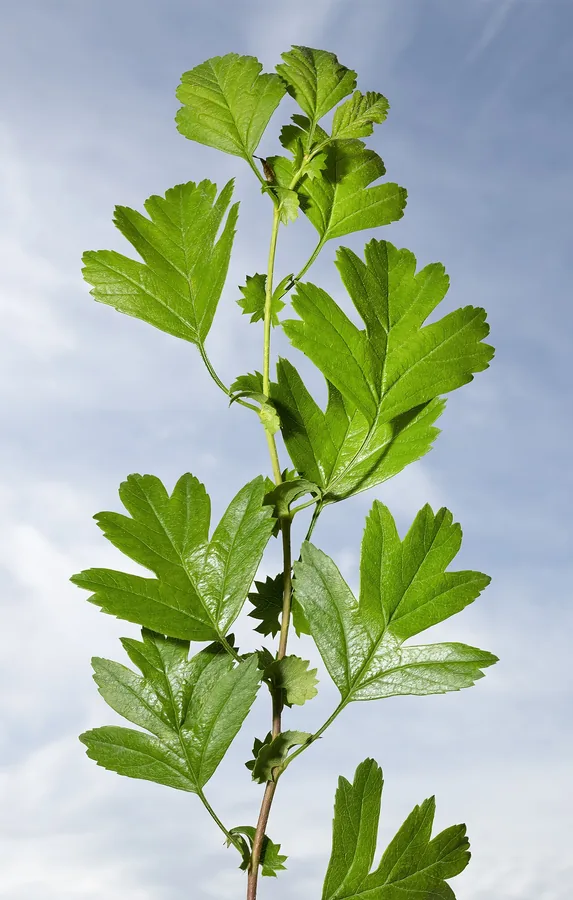
_Crataegus_monogyna_-_Leaves_and_stipules.jpg)
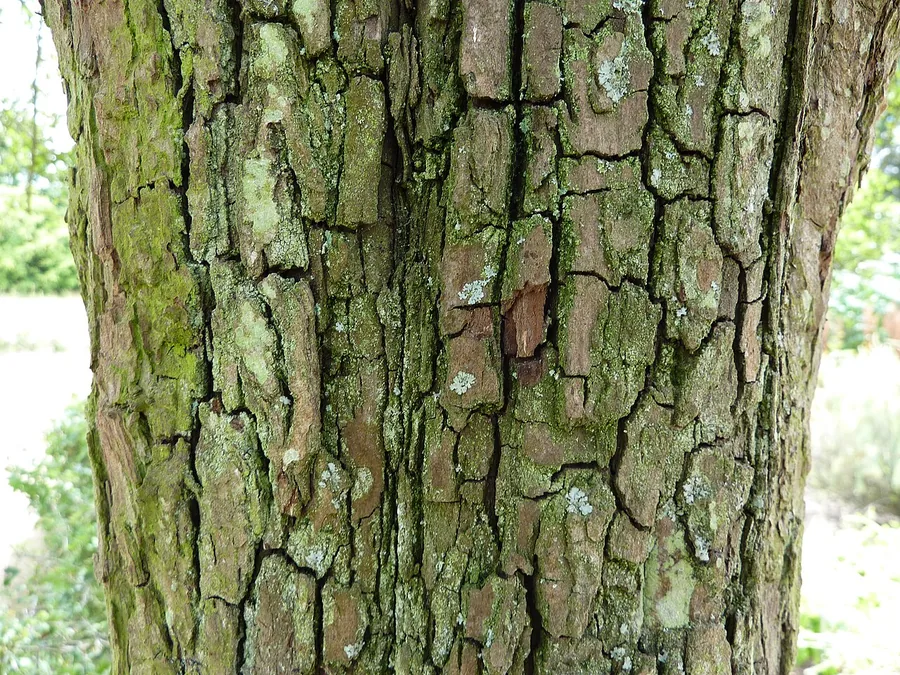
_bark.JPG)
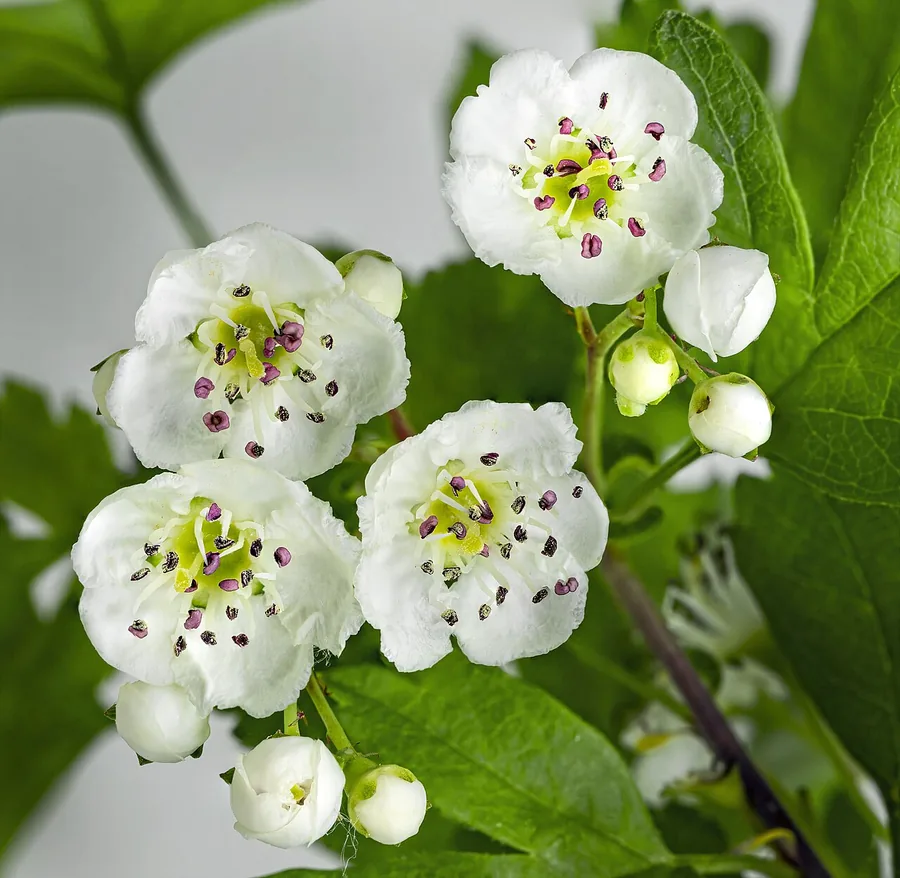
_Crataegus_monogyna_-_flowers_and_buds.jpg)

Sources
Where to buy a Hawthorn bonsai
We don’t stock Hawthorn at the moment. These species need similar care and we have them now — they are the closest match in our catalogue.
- Blueberry — similar care, in stock now
Browse all bonsai trees for sale or find a species matched to your climate and space.
- All species
- Shop bonsai trees, tools & supplies
- How to Water a Bonsai (Without Killing It)
- Bonsai Soil: What to Buy, What to Mix, and What It Costs
- Why Bonsai Die After Repotting: Diagnosing a Failed Repot
- Pruning vs. Pinching: Shaping Your Bonsai
- Overwintering Bonsai: Cold-Season Care
- Indoor Bonsai Light and Humidity: Making a Windowsill Actually Work
- Root Rot on bonsai
- Overwatering on bonsai
- Underwatering (Drought Stress) on bonsai
- Winter / Frost Damage on bonsai
- Leaf Scorch / Sunburn on bonsai
- American Beech bonsai care
- Amur Maple bonsai care
- Beautyberry bonsai care
- Blueberry bonsai care