
European Spindle Bonsai Care
Euonymus europaeus
Zones 3 to 7, outdoor. The European spindle earns its place in bonsai for one spectacular season: autumn. Most are lost to pests.
Celastraceae (staff-vine / bittersweet family) · Deciduous broadleaf shrub or small tree
European Spindle quick reference
| USDA zones | 3 to 7 |
|---|---|
| Indoor / outdoor | Outdoor: a hardy temperate shrub needing full seasonal change and winter cold |
| Light | Full sun to partial shade: full sun gives the strongest autumn color and heaviest fruiting |
| Water | Evenly moist: moderate, steady moisture; dislikes both drought and waterlogging |
| Soil | Free-draining bonsai mix; tolerates a wide pH, including chalky/alkaline soils |
| Repot | Every 2 to 3 years in early spring |
| Frost | Excellent; wood hardy to about -30 °C (-22 °F); shield potted roots from deep freezes |
| Mature height | Shrub to 6 m; kept 25-60 cm as bonsai |
| Growth rate | Moderate |
| Season of interest | Pink autumn fruit, red autumn color |
| Leaf reduction | Good with pinching |
| #1 cause of death | Uncontrolled infestation (aphids / scale) and the fungal problems they invite |
Overview & Character
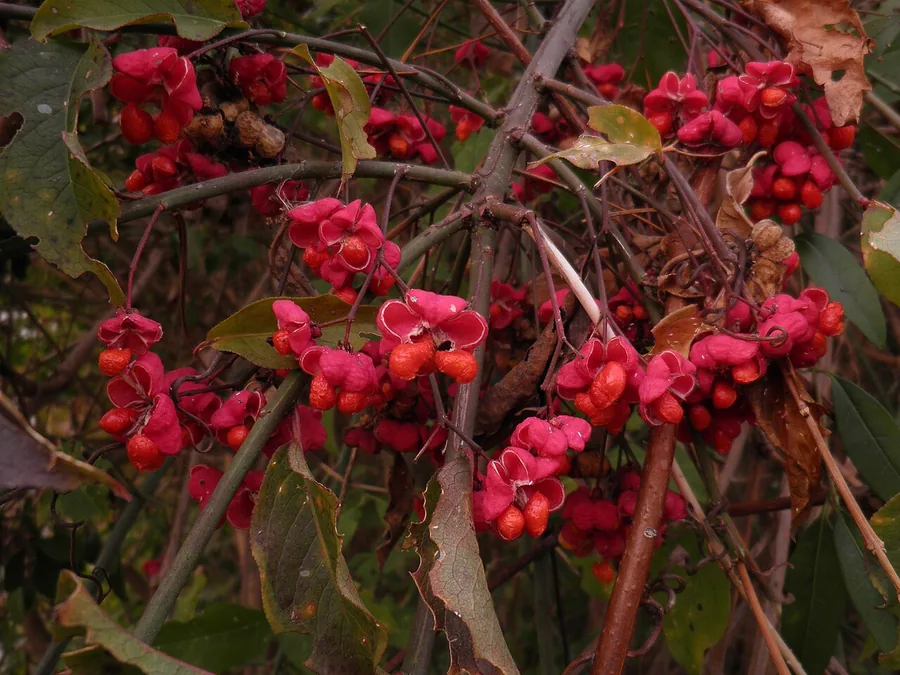
The European spindle earns its place in bonsai for one spectacular season: autumn. As the days shorten, its foliage turns fiery red and crimson while it hangs deep-pink to magenta four-lobed capsules that split to reveal vivid orange-coated seeds, a color combination almost no other hardy tree can match. It is a tough, adaptable shrub, native to hedgerows and woodland edges across Europe, and it back-buds well, tolerates hard pruning, and thrives on the alkaline soils many species dislike, making it a rewarding subject for growers who want autumn drama rather than flowers.
The care keys are moderate and forgiving: steady moisture, full sun for the best color and fruit set, and a genuinely cold winter. Note an important safety point: all parts of the plant, and especially the attractive orange-and-pink fruits, are toxic to people and pets if eaten, causing severe vomiting and worse. Keep it away from children and animals, and wash hands after handling.
Identification
Foliage: Opposite, narrowly oval to lance-shaped leaves 3 to 8 cm long, finely toothed, mid-green through summer and turning brilliant red, crimson and purple in autumn. The green young twigs are noticeably four-angled (squarish in cross-section), a useful ID feature.
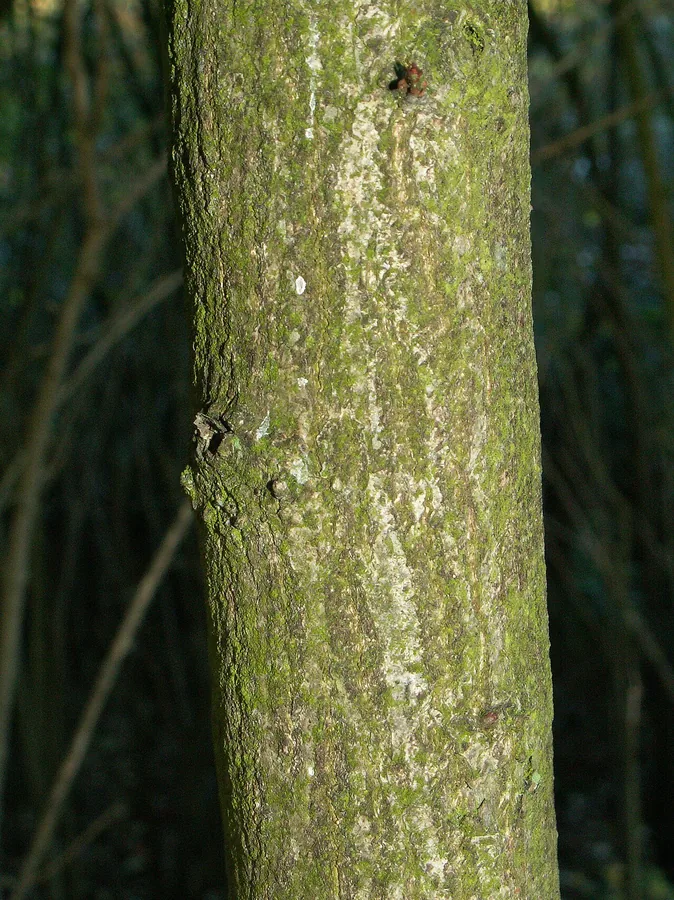
Bark & trunk: Smooth gray-green bark that develops fine pale corky ridges and a grayer, textured surface with age; the trunk stays relatively slender but takes character well.
Growth habit / form: An upright, twiggy, often multi-stemmed shrub or small tree with dense fine branching, excellent raw material for ramified deciduous styles.
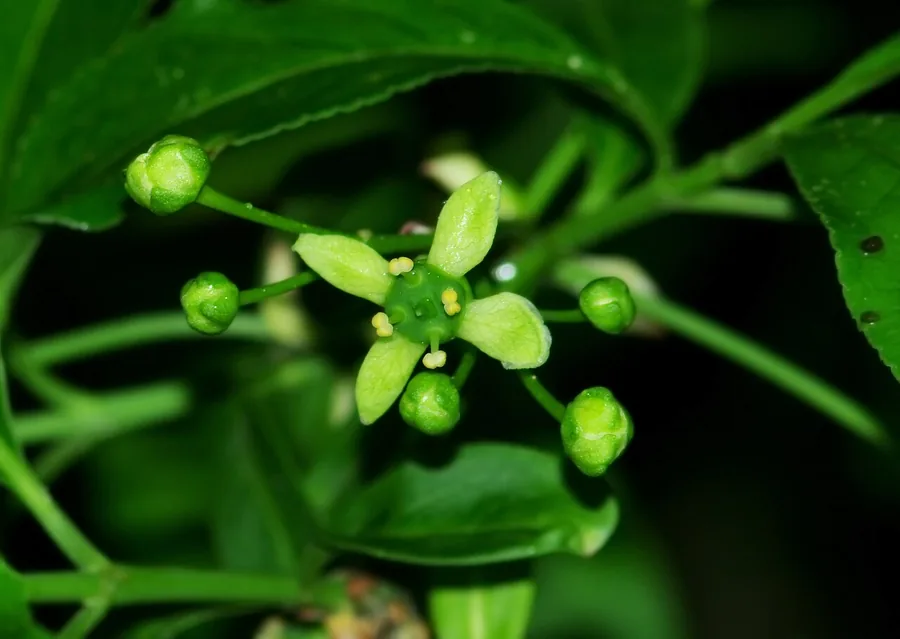
Flowers / fruit: Small, inconspicuous four-petaled greenish-yellow flowers in loose clusters in late spring. The fruit is the highlight: a deep-pink to magenta four-lobed capsule that opens in autumn to expose seeds wrapped in a bright orange fleshy aril. These fruits are poisonous.
Look-alikes & how to tell them apart: The evergreen Euonymus japonicus (Japanese spindle) is often confused by name but keeps glossy leathery leaves year-round and is far more tender. The winged spindle (Euonymus alatus) is easily told apart by prominent corky "wings" running along its twigs, which E. europaeus lacks.
Climate & USDA Zone
A cold-hardy temperate species suited to USDA zones 3 to 7. The wood tolerates about -30 °C (-22 °F), but roots in a bonsai pot are vulnerable and can suffer below roughly -8 to -10 °C (18 to 14 °F). It must live outdoors all year and requires a full winter dormancy to trigger the following season's bud break and reliable fruiting. It is unusually tolerant of alkaline, chalky soils and coastal exposure. Overwinter it in an unheated but frost-buffered position: a cold frame or mulched bed, protecting the root mass while still exposing the top growth to normal seasonal cold.
Light
Grow in full sun for the most intense autumn color and the heaviest crop of fruit; it will accept partial shade but colors less vividly.
Spindle flowers and fruits far better in strong light. In deep shade it grows leggier, sets fewer capsules, and its famous autumn display is muted. A position with sun for most of the day is ideal in almost all temperate climates.
Watering
Keep evenly moist through the growing season: moderate and steady rather than wet or dry.
- Water when the surface begins to dry; spindle likes consistent moisture but resents standing in saturated soil.
- Increase frequency in summer heat, checking pots daily in warm weather.
- Reduce watering in autumn as growth slows and leaves color and fall.
- Keep only just-moist through winter dormancy, never waterlogged and cold, which rots roots.
Soil & Root Care
Soil: A standard free-draining bonsai mix such as akadama, pumice and lava in roughly equal parts. Spindle is unfussy about pH and does well even on alkaline media, so no special acidifying is needed.
Repotting:
- Repot every 2 to 3 years while in development; older refined trees every 3 to 4 years.
- Timing: early spring as buds begin to swell, before leaves open.
- Root-work tolerance: good: spindle recovers well from moderate root pruning of up to about a quarter to a third of the mass on a healthy tree.
- Aftercare: place in a bright, sheltered spot out of harsh wind, water carefully, and resume feeding only after 3 to 4 weeks once new roots form.
Feeding
Feed steadily through the growing season with a balanced organic fertilizer once spring growth has hardened. To maximize the autumn fruit display, avoid excessive nitrogen late in the season and shift to a lower-nitrogen, higher-potassium feed from mid-to-late summer, which supports flowering, fruit set and firm autumn color. Stop feeding once the tree drops its leaves and enters dormancy. Over-feeding with nitrogen produces lush leafy growth at the expense of the very fruits the species is grown for.
Pruning & Styling
- Suited to informal upright, multi-trunk/clump, and twin-trunk styles, and to shohin: its dense twigging makes it excellent for ramified broadleaf designs.
- Spindle back-buds well on old wood, so hard structural pruning in late winter reliably produces new shoots for rebuilding branch lines.
- Cut back extending shoots to 1 to 2 leaf pairs through the season to build ramification and keep internodes tight.
- Because flowers form on the previous season's wood, avoid shearing everything off in spring if you want fruit; prune selectively after flowering to preserve developing capsules.
- Wire young, green shoots gently; they are somewhat brittle when older; guy-wires suit heavier branches.
Propagation & Cuttings
Ease: Easy. Best methods: cuttings; seed; layering.
Euonymus europaeus roots readily from softwood cuttings in early summer and hardwood cuttings in autumn/winter with light hormone, and it layers and suckers freely. Seed germinates after cleaning the pink-and-orange fruit and ~2 to 3 months cold stratification. For bonsai the vivid autumn fruit and color are the draw; cutting- or sucker-grown plants develop fast and back-bud strongly, tolerating hard pruning well.
Pests
- **Euonymus scale (Unaspis euonymi):** the signature pest of this genus: white elongated males and dark oyster-shell females crust the stems and leaf undersides, weakening the plant; treat with horticultural oil and repeat, or a systemic for heavy attacks.
- **Black bean aphid (Aphis fabae):** spindle is the primary winter host of this aphid, which swarms shoot tips in spring; blast off with water and treat with insecticidal soap.
- **Caterpillars (spindle ermine moth, Yponomeuta cagnagella):** larvae can defoliate and web over whole plants; pick off, remove webbing, or treat with a Bt-based product.
- Red spider mite: stippling and bronzing in hot, dry spells; raise humidity and apply a miticide.
Disease, Fungus & Infection
- Powdery mildew: a common problem on Euonymus, coating leaves with white powder in warm humid, crowded conditions; improve airflow and treat with fungicide.
- **Crown gall (Agrobacterium):** rough tumor-like swellings on roots or lower stem; there is no cure; remove and destroy badly affected plants and avoid reusing the soil.
- Leaf spots (various fungi): dark blotches in wet weather, usually cosmetic; clear fallen leaves and avoid overhead watering.
Prevention: open airflow around the canopy, prompt control of scale and aphids (which stress the plant and encourage mildew and sooty mold), and clean autumn leaf removal keep spindle healthy.
Most Common Causes of Death
1. Unchecked scale and aphid infestations: the most common decline; euonymus scale and heavy aphid colonies sap the plant, invite sooty mold and mildew, and can kill a neglected specimen. Inspect regularly and treat at first sign. 2. Frozen roots in a shallow pot: the wood is hardy but potted roots are not; protect the root ball over winter. 3. Waterlogging and root rot: constantly saturated, cold soil rots the roots; use a free-draining mix and never leave it sitting wet in winter. 4. Severe powdery mildew left untreated: repeated heavy mildew defoliates and weakens the tree over seasons; ventilate and treat early. 5. Kept indoors with no dormancy: as a warm houseplant it fails to fruit and gradually declines; it must overwinter cold, outdoors.
Seasonal Calendar
- Spring: Repot before bud break; do structural pruning; watch shoot tips for black bean aphid; begin feeding as leaves harden.
- Summer: Water evenly and keep pots checked in heat; pinch for ramification; monitor for scale and mildew; shift to lower-nitrogen feed from mid-summer.
- Autumn: Enjoy the crimson foliage and pink-and-orange fruit; reduce watering as leaves fall; clear fallen leaves; remember the fruits are toxic; keep away from pets and children.
- Winter: Fully dormant; protect roots from hard freezes; keep soil barely moist; carry out heavy structural cuts in late winter before buds swell.
Close-up photo reference
Compare your tree against these to confirm the species and spot problems early.



Sources
- Wikipedia: *Euonymus europaeus*
- Royal Horticultural Society: *Euonymus europaeus*
- Missouri Botanical Garden: *Euonymus europaeus*
Growing a European Spindle bonsai
We don’t currently stock European Spindle trees. If you already have one — or you are sourcing one elsewhere — these are the supplies its care depends on:
- Bonsai Decorative Crushed Shale Top of Soil Dressing — $4.95
- Bonsai Zen Garden Grooming Rake — $8.95
- Metal Impression Tags Package of 4 — $2.95
Browse all bonsai trees, tools and soil or find a species we stock that suits your conditions.
- All species
- Shop bonsai trees, tools & supplies
- How to Water a Bonsai (Without Killing It)
- Bonsai Soil: What to Buy, What to Mix, and What It Costs
- Why Bonsai Die After Repotting: Diagnosing a Failed Repot
- Pruning vs. Pinching: Shaping Your Bonsai
- Overwintering Bonsai: Cold-Season Care
- Indoor Bonsai Light and Humidity: Making a Windowsill Actually Work
- Root Rot on bonsai
- Winter / Frost Damage on bonsai
- Powdery Mildew on bonsai
- Spider Mites on bonsai
- Scale Insects on bonsai
- Amur Maple bonsai care
- Common Hackberry bonsai care
- Field Maple bonsai care
- American Elm bonsai care