
Coffee Bonsai Care
Coffea arabica
Zones 10 to 12, indoor. The plant behind most of the world's coffee, and it makes an unusual and rewarding indoor bonsai. Most are lost to drying out.
Rubiaceae (the coffee and madder family) · Tropical evergreen broadleaf shrub/small tree
At a glance
- Type
- Tropical
- Leaves
- Evergreen
- USDA zones
- 10 to 12
- Indoor or outdoor
- Indoor-capable
- Growth rate
- Fast
- Bonsai popularity
- Tier 3
Close-up photo reference
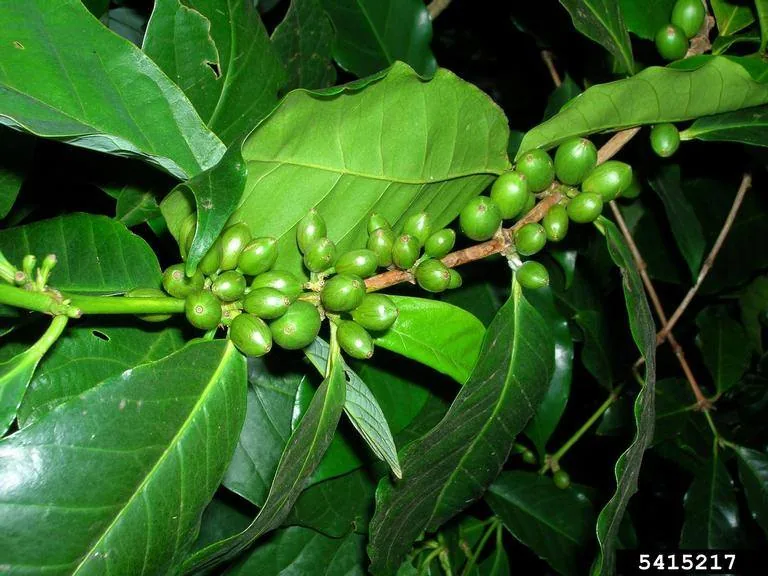
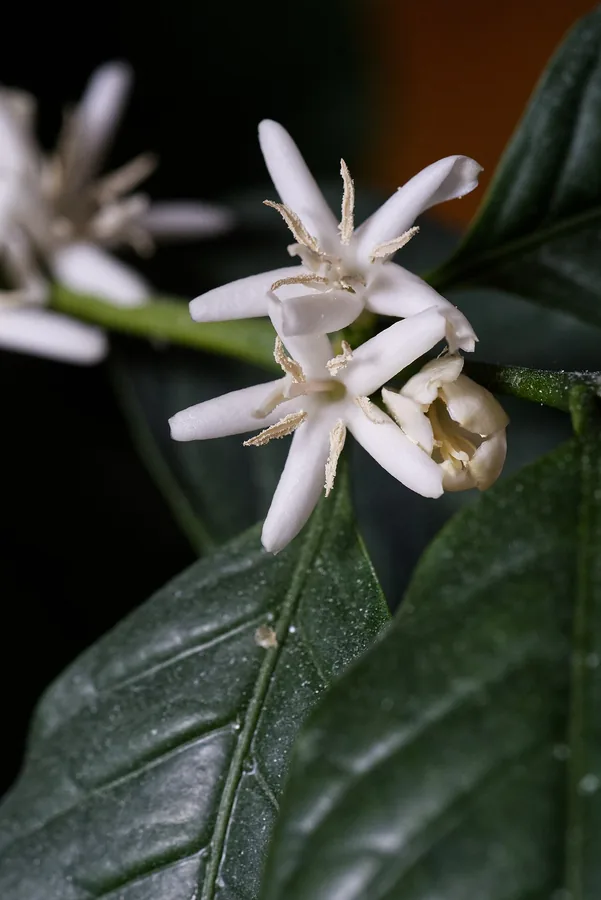
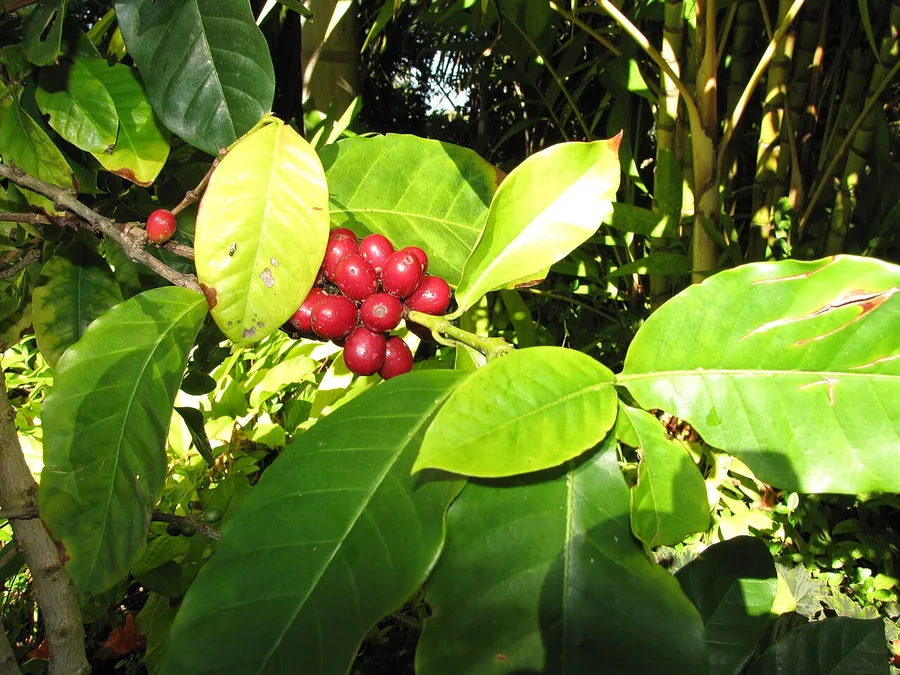
Compare your tree against these to confirm the species and spot problems early.



Coffee quick reference
| USDA zones | 10 to 12 (grown indoors elsewhere) |
|---|---|
| Indoor / outdoor | Indoor in most climates; outdoors year-round only in frost-free tropical/subtropical zones |
| Light | Bright, indirect light; protect from harsh direct midday sun |
| Water | Keep consistently, evenly moist; never let it dry out fully or sit waterlogged |
| Soil | Free-draining, slightly acidic bonsai mix with good moisture retention |
| Repot | Every 2 to 3 years for younger trees; older trees every 3 to 4 years |
| Frost | Very tender: keep above ~59°F (15°C); damaged below ~50°F (10°C), killed by frost |
| Mature height | 6 to 15 ft (1.8 to 4.6 m) in the landscape [s3] [s4] |
| Growth rate | Fast [s3] |
| Season of interest | Fragrant white flowers in spring and summer, then showy red fruit [s3] [s4] |
| Leaf reduction | Not rated by the sources we checked |
| #1 cause of death | Drying out completely: coffee wilts fast and drops leaves when the rootball dries |
Overview & Character
Coffea arabica is the plant behind most of the world's coffee, and it makes an unusual and rewarding indoor bonsai. Native to the highlands of Ethiopia, it is naturally an understory shrub or small tree that thrives in warm, humid, dappled conditions. Its lush, glossy foliage, tidy branching, and, on mature plants, fragrant white flowers followed by red "cherry" fruit give it real ornamental appeal beyond the novelty of growing your own coffee.
As a bonsai it is fast-growing and responsive, but it is fussier about moisture and warmth than tougher tropicals like ficus. It dislikes both drought and cold, and it will sulk (and shed leaves) if conditions swing. Given steady warmth, humidity, and even watering, it develops attractive ramification and can flower and fruit indoors on a healthy, mature specimen.
Identification
Leaves are large, glossy, dark green, oval with a pointed tip, and distinctly wavy at the margins, arranged in opposite pairs along the stems with a prominent central vein. Young stems are green and flexible, becoming woody and gray-brown with age. The habit is upright with tiered, horizontally spreading branches. Flowers are small, white, star-shaped, jasmine-scented, and clustered in the leaf axils; they are followed by green berries that ripen through yellow to deep red ("coffee cherries"), each usually containing two seeds, the coffee beans.
Look-alikes & how to tell them apart: Coffee's glossy, wavy-edged opposite leaves resemble some Ficus and gardenia foliage. Unlike ficus, coffee stems do not exude milky latex when cut. Unlike gardenia, coffee flowers are small and clustered rather than large and solitary, and its ripe red two-seeded cherries are unmistakable when present.
Climate & USDA Zone
Hardy outdoors only in USDA zones 10 to 12, matching the frost-free tropical highlands it comes from. In all cooler climates it is grown indoors, moved outside only in warm, frost-free, lightly shaded conditions in summer. It prefers moderate warmth and high humidity and is intolerant of cold, dry air, drafts, and any frost.
Light
Provide bright, indirect light; coffee is naturally an understory plant and can scorch in intense, direct midday sun, especially through glass. An east or west window, or a lightly shaded south window, suits it well. Too little light produces leggy, sparse growth. Indoors during dark winters, a grow light keeps foliage dense and healthy.
Watering
Coffee wants consistently, evenly moist soil and is one of the least drought-tolerant bonsai species; it wilts and drops leaves quickly if the rootball dries out. At the same time it must not sit in stagnant water, which rots roots. Water thoroughly as the surface begins to dry, checking often, since it drinks heavily in warm rooms. High humidity is important: use a humidity tray, group plants, or mist to keep the air from drying the foliage.
Soil & Root Care
Use a free-draining bonsai mix that still holds useful moisture, ideally slightly acidic (coffee prefers acidic soil). A blend of akadama or a peat/bark base with pumice and lava for drainage works well. Repot younger trees every 2 to 3 years and older trees every 3 to 4 years, in spring as growth resumes. Coffee has fairly fine, sensitive roots; prune conservatively (up to about a third) and keep the tree warm and humid while it recovers.
Feeding
Feed regularly through the growing season with a balanced fertilizer, roughly every two weeks with liquid feed or via slow-release pellets. Coffee is a moderately heavy feeder when growing strongly and appreciates a fertilizer suited to acid-loving plants. Reduce feeding in winter when growth slows, resuming as light and temperatures increase in spring.
Pruning & Styling
Coffee responds well to pruning and readily produces new shoots, allowing you to build a dense, tiered canopy. Pinch and trim new growth back to shape and encourage ramification, cutting to a pair of leaves. Its naturally tiered, horizontal branching lends itself to informal upright and formal upright styles. Young shoots can be wired while still flexible, but the wood becomes brittle with age, so shape early. Note that pruning removes the flowering wood, so balance styling against any wish to see flowers and fruit.
Seasonal Calendar
- Spring: Growth resumes. Best time to repot. Resume regular feeding and structural pruning. Move outdoors to a warm, shaded spot only once nights stay reliably above ~59°F (15°C).
- Summer: Peak growth and possible flowering. Water and feed generously, keep humidity high, and watch for spider mites in heat. Shade from harsh midday sun.
- Autumn: Growth slows. Bring the tree indoors well before cold nights arrive. Fruit may ripen. Taper feeding and watering slightly.
- Winter: Keep warm, bright, and humid; never let it chill or dry out. Water carefully and use a grow light in dim rooms. Reduce feeding.
Care calendar by month
- Repot and root-prune: April to June
- Prune, wire and shape: April to August
- Feed: April to September
- Air-layer or take cuttings: May to July
Propagation & Cuttings
Ease: Easy from seed. Best methods: seed; cuttings.
Coffea arabica grows readily from fresh seed: sow the cleaned bean warm (77 to 86°F / 25 to 30°C) as soon as ripe, since viability fades fast in storage; germination takes 1 to 2 months. Semi-hardwood cuttings root at moderate rates in warm, humid conditions with hormone, and upright cuttings keep the plant's growth habit. As a tropical, keep all propagation warm and shaded. For bonsai, seedlings give the glossy foliage and, eventually, flowers and cherries; keep it a houseplant bonsai in most climates.
Pests
Indoors watch for mealybugs (white cottony clusters in leaf axils), scale insects (brown bumps on stems and leaf undersides), spider mites (fine webbing and stippling, worse in dry air), and aphids on soft new growth. Inspect regularly, raise humidity to discourage mites, and treat with insecticidal soap, neem, or horticultural oil, isolating affected trees and repeating treatments as needed.
Disease, Fungus & Infection
The most common issues are cultural: leaf browning and drop from drying out, and root rot from waterlogged soil. Fungal leaf spots and, in wet conditions, coffee leaf rust (an orange-yellow powdery underside blotching) can appear; improve airflow, avoid wetting foliage, and remove affected leaves. Correct, even watering, good drainage, and stable warm humidity prevent most disease.
Most Common Causes of Death
1. Drying out completely. Coffee is highly sensitive to drought and wilts and defoliates fast when the rootball dries. Keep soil evenly moist and check moisture daily in warm conditions. 2. Cold damage and frost. Temperatures below about 50°F (10°C) damage the plant and any frost kills it. Keep it above ~59°F (15°C) and away from cold drafts and windows. 3. Root rot from overwatering. Waterlogged, poorly draining soil rots the fine roots. Use free-draining, slightly acidic mix and empty drip trays. 4. Insufficient light. Deep shade produces weak, leggy growth and leaf loss. Give bright, indirect light and supplement in winter. 5. Spider mites in dry indoor air. Untreated mites can defoliate the plant. Raise humidity and treat early.
Sources
- Bonsai Empire: indoor bonsai tree care
- Wikipedia: Coffea arabica
- UF/IFAS Extension: FPS135/FP135: Coffea arabica: Coffee
- NC State Extension Gardener Plant Toolbox: Coffea arabica (Coffee)
Where to buy a Coffee bonsai
We don’t stock Coffee at the moment. These species need similar care and we have them now, they are the closest match in our catalogue.
- Black Olive, similar care, in stock now
- Calamondin Orange, similar care, in stock now
- Downy Jasmine, similar care, in stock now
Browse all bonsai trees for sale or find a species matched to your climate and space.
- All species
- Shop bonsai trees, tools & supplies
- How to Water a Bonsai (Without Killing It)
- Bonsai Soil: What to Buy, What to Mix, and What It Costs
- Why Bonsai Die After Repotting: Diagnosing a Failed Repot
- Pruning vs. Pinching: Shaping Your Bonsai
- Overwintering Bonsai: Cold-Season Care
- Indoor Bonsai Light and Humidity: Making a Windowsill Actually Work
- Root Rot on bonsai
- Overwatering on bonsai
- Underwatering (Drought Stress) on bonsai
- Winter / Frost Damage on bonsai
- Leaf Scorch / Sunburn on bonsai
- Bahama Berry bonsai care
- Black Olive bonsai care
- Calamondin Orange bonsai care
- Downy Jasmine bonsai care
- Tamarind bonsai care