
Calamondin Orange Bonsai Care
Citrus × microcarpa
1 Calamondin Orange bonsai in stock, from $125.95 Shipped direct from our nursery partners, with a 48-hour live-arrival guarantee. See the trees
Zones 9 to 11, indoor. A small, exceptionally ornamental citrus, a hybrid of mandarin and kumquat.
Rutaceae (the citrus and rue family) · Tropical/subtropical evergreen broadleaf fruiting tree
At a glance
- Type
- Tropical
- Leaves
- Evergreen
- USDA zones
- 9 to 11
- Indoor or outdoor
- Indoor-capable
- Growth rate
- Moderate
- Bonsai popularity
- Tier 3
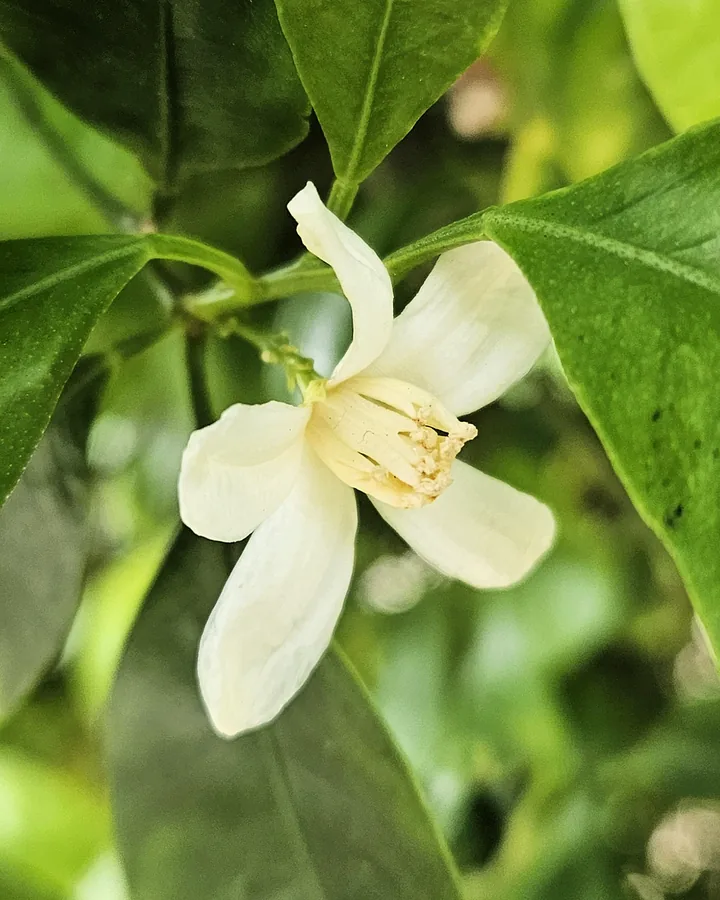
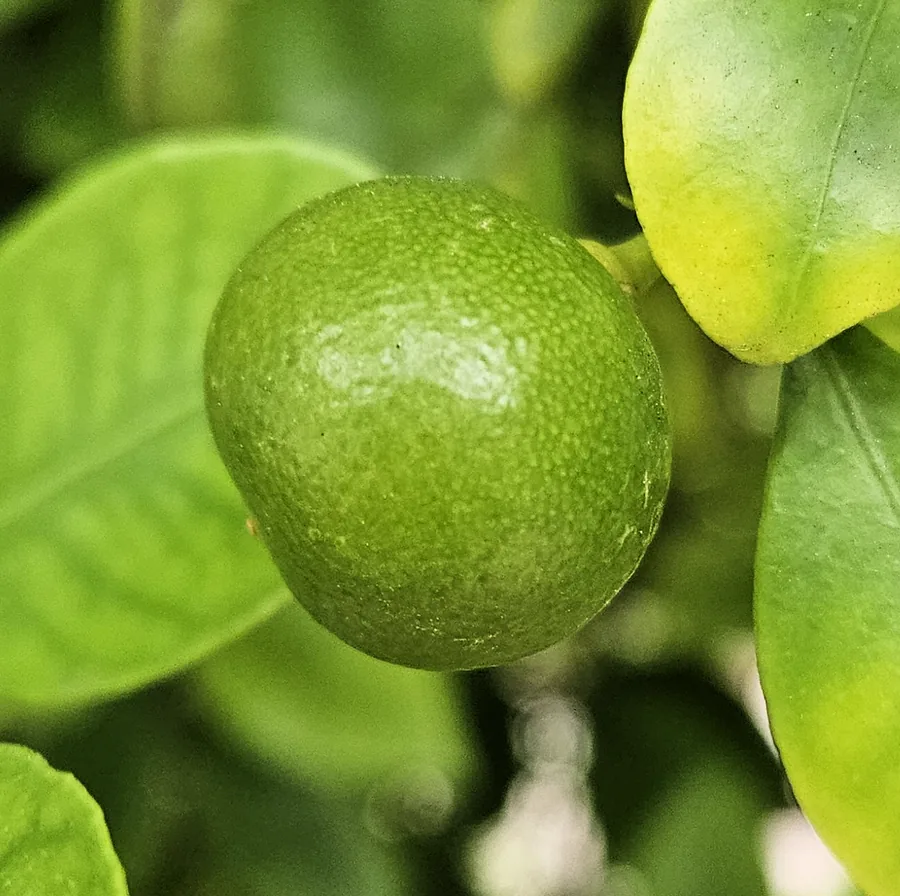
Close-up photo reference
Compare your tree against these to confirm the species and spot problems early.


Calamondin Orange quick reference
| USDA zones | 9 to 11 (grown indoors elsewhere) |
|---|---|
| Indoor / outdoor | Indoor in most climates; outdoors year-round only in frost-free zones (best summered outdoors) |
| Light | Very bright light; full sun preferred, several hours of direct sun daily |
| Water | Keep evenly moist; let the top of the soil dry slightly; never waterlogged, never bone-dry |
| Soil | Free-draining, slightly acidic bonsai/citrus mix |
| Repot | Every 2 to 3 years for younger trees; older trees every 3 to 4 years |
| Frost | Tender; best kept above ~41°F (5°C); the hardiest of common citrus but frost-damaged |
| Mature height | 10 to 20 ft (3 to 6 m) in the landscape [s3] |
| Growth rate | Medium [s3] |
| Season of interest | Fragrant white flowers in spring and again through summer; small orange fruit [s3] |
| Leaf reduction | Not rated by the sources we checked |
| #1 cause of death | Insufficient light indoors, causing weak growth, leaf and fruit drop, and decline |
Overview & Character
The Calamondin is a small, exceptionally ornamental citrus, a hybrid of mandarin and kumquat, and one of the most popular citrus bonsai and indoor fruiting trees. It is compact, densely leafy, and remarkably free-flowering and free-fruiting, often carrying fragrant white blossoms and small orange fruit at the same time. The tart little fruits (used in Filipino cooking as calamansi) hang like miniature oranges, making a fruiting Calamondin bonsai genuinely striking.
As a bonsai it offers the classic citrus package: glossy evergreen foliage, intensely fragrant flowers, and colorful fruit that persists for months. It is the toughest and most forgiving of the common citrus, and the most willing to flower and fruit indoors. Its chief demand is light: citrus are sun-lovers, so it is at its best summered outdoors and given the brightest possible position in winter.
Identification
Leaves are glossy, dark green, oval to elliptical with a pointed tip, and aromatic when crushed (releasing a citrus scent); the leaf stalks have only a very slightly winged petiole. Stems are green when young, becoming woody and gray-brown, and are usually spineless or only slightly thorny. Flowers are small, white, waxy, five-petaled, and strongly fragrant. Fruit is small and round, 1 to 1 3/4 in (2.5 to 4.5 cm) across, ripening from green to bright orange, with thin peel and very acidic, seedy juice.
Look-alikes & how to tell them apart: Easily confused with other small citrus. Kumquats (Fortunella) bear oblong fruit with sweet, edible peel and are one of its parents. True mandarins have larger, sweeter fruit. Calamondin is identified by its small, round, thin-skinned, intensely sour orange fruit, its abundant simultaneous flowering and fruiting, and its compact, bushy, largely spineless growth.
Climate & USDA Zone
Hardy outdoors only in roughly USDA zones 9 to 11, in frost-free or nearly frost-free climates; it is the most cold-tolerant of the common citrus but is still damaged by frost. In cooler regions it is grown as an indoor/patio bonsai, ideally summered outdoors in full sun and overwintered in a bright, cool-to-warm frost-free room or conservatory. It thrives in warmth and sun and needs protection from freezing.
Light
Citrus are true sun-lovers: give the Calamondin the maximum light available. Outdoors in summer it wants full sun. Indoors, place it at the brightest, sunniest window (south-facing ideally) with several hours of direct sun daily, and supplement with a strong grow light in winter. Inadequate light is the single biggest indoor problem: it leads to weak, pale growth, poor flowering, and dropping of leaves and fruit.
Watering
Keep the soil evenly moist, letting the top of the soil dry slightly before watering again; citrus want neither constantly soggy roots nor complete drought. Water thoroughly until it drains from the bottom, then let excess drain fully; never leave the pot standing in water. Water needs rise sharply in warm, sunny conditions and fall in cool, dim winters, so check by feel rather than on a fixed schedule. Rainwater or filtered water is preferable where tap water is very hard. Reasonable humidity helps, especially in dry heated rooms.
Soil & Root Care
Use a free-draining bonsai substrate, ideally slightly acidic; citrus prefer mildly acidic soil (around pH 6 to 6.5). An open mix such as akadama with pumice and lava, or a dedicated citrus/bonsai blend with grit, works well. Repot younger trees every 2 to 3 years and older trees every 3 to 4 years, in spring as growth resumes. Prune roots conservatively, keep the freshly repotted tree warm, bright, and slightly sheltered, and ensure excellent drainage.
Feeding
Citrus are heavy feeders. Feed regularly through the growing season with a fertilizer formulated for citrus (higher in nitrogen and including trace elements such as iron and magnesium to prevent yellowing). Feed roughly every one to two weeks in spring and summer, or use slow-release citrus feed. Continue a lighter feed in winter if the tree is kept warm and growing; reduce feeding if it is overwintered cool and semi-dormant. Watch for interveinal yellowing (chlorosis), which signals a nutrient deficiency to correct.
Pruning & Styling
Calamondin responds well to pruning and back-buds readily, making it good for developing ramification and a dense, bushy crown. Prune and pinch in the growing season to shape and to build structure, cutting back to a couple of leaves. Note that flowers and fruit form on new growth, so time heavy pruning to balance shaping against your wish for blossom and fruit. Young shoots can be wired while flexible; check regularly as branches thicken. It suits informal upright and broom-like, rounded fruiting-tree styles. Thin excess fruit on small trees so heavy cropping does not exhaust them.
Seasonal Calendar
- Spring: Growth and flowering begin. Best time to repot. Resume heavy feeding with citrus fertilizer and shaping pruning. Move outdoors to full sun once nights stay reliably above ~50°F (10°C), acclimating gradually.
- Summer: Peak growth, flowering, and fruit set. Keep in full sun outdoors, water generously, feed regularly, and watch for citrus pests. Thin excess fruit on small trees.
- Autumn: Growth slows and fruit ripens to orange. Bring the tree indoors before frost. Taper feeding and reduce watering as light falls.
- Winter: Overwinter in a bright, frost-free spot (cool for semi-dormancy or warm with a grow light). Water sparingly, feed lightly only if actively growing, and guard against spider mites and scale in dry heated air.
Care calendar by month
- Repot and root-prune: April to June
- Prune, wire and shape: April to August
- Feed: April to September
- Air-layer or take cuttings: May to July
Propagation & Cuttings
Ease: Moderate. Best methods: cuttings; seed (polyembryonic); grafting.
This ornamental citrus roots from semi-hardwood cuttings in warm, humid conditions with hormone at moderate rates, and air-layers well. Its seed is polyembryonic, so most seedlings come true to the parent; sow fresh seed from ripe fruit, kept warm. Commercial plants are often grafted onto hardy citrus rootstock (e.g. trifoliate orange) for vigor and disease resistance. Propagate in the warm season and keep frost-free. For bonsai, cuttings or air-layers give quicker flowering/fruiting than seedlings, which can take years to fruit.
Pests
Citrus are pest-prone indoors. Watch for spider mites (stippling and webbing in dry air), scale insects (brown or waxy bumps on stems and leaf undersides, often with sticky honeydew and sooty mold), mealybugs (white cottony masses), aphids on soft new growth, and whitefly. Inspect regularly, especially leaf undersides, raise humidity to deter mites, and treat with insecticidal soap, neem, or horticultural oil, repeating as needed and isolating affected trees.
Disease, Fungus & Infection
Most problems are cultural or pest-related. Root rot from overwatering causes yellowing, leaf drop, and decline. Sooty mold (a black film) grows on the honeydew left by scale, mealybugs, and aphids; controlling the pests clears it. Nutrient deficiencies cause chlorosis (yellowing leaves with green veins), corrected with citrus feed containing iron and magnesium. Good light, free-draining soil, careful watering, proper feeding, and pest control prevent most issues.
Most Common Causes of Death
1. Insufficient light indoors. As sun-lovers, Calamondins decline in poor light: weak, pale growth and dropping of leaves and fruit lead to gradual death. Give the sunniest possible spot, summer it outdoors, and use a strong grow light in winter. 2. Root rot from overwatering. Waterlogged, poorly draining soil rots the roots. Use free-draining, slightly acidic mix, let the surface dry before rewatering, and never leave it standing in water. 3. Drying out completely. Letting the rootball dry hard causes leaf and fruit drop and dieback. Keep the soil evenly moist and check often in warm weather. 4. Frost and cold damage. Though the hardiest common citrus, it is still frost-tender; freezing damages or kills it. Keep it above ~41°F (5°C) and bring it in before frost. 5. Untreated scale and spider mite infestations. Heavy citrus pest loads, with sooty mold, weaken and can kill a tree. Inspect regularly and treat early.
Sources
- Bonsai Empire: Citrus bonsai care
- Wikipedia: Citrus × microcarpa
- NC State Extension Gardener Plant Toolbox: Citrus x microcarpa (Calamondin)
Buy a Calamondin Orange bonsai
- All species
- Shop bonsai trees, tools & supplies
- How to Water a Bonsai (Without Killing It)
- Bonsai Soil: What to Buy, What to Mix, and What It Costs
- Why Bonsai Die After Repotting: Diagnosing a Failed Repot
- Pruning vs. Pinching: Shaping Your Bonsai
- Overwintering Bonsai: Cold-Season Care
- Indoor Bonsai Light and Humidity: Making a Windowsill Actually Work
- Root Rot on bonsai
- Overwatering on bonsai
- Underwatering (Drought Stress) on bonsai
- Winter / Frost Damage on bonsai
- Insufficient Light (Etiolation) on bonsai
- Meyer Lemon bonsai care
- Bahama Berry bonsai care
- Dwarf Umbrella Tree (Dwarf Schefflera) bonsai care
- Fukien Tea bonsai care
- Jaboticaba bonsai care
- Sageretia / Sweet Plum bonsai care