Meyer Lemon Bonsai Care
Citrus × meyeri
Zones 9 to 11, indoor or out. A hybrid, not a true lemon. Most are lost to overwatering.
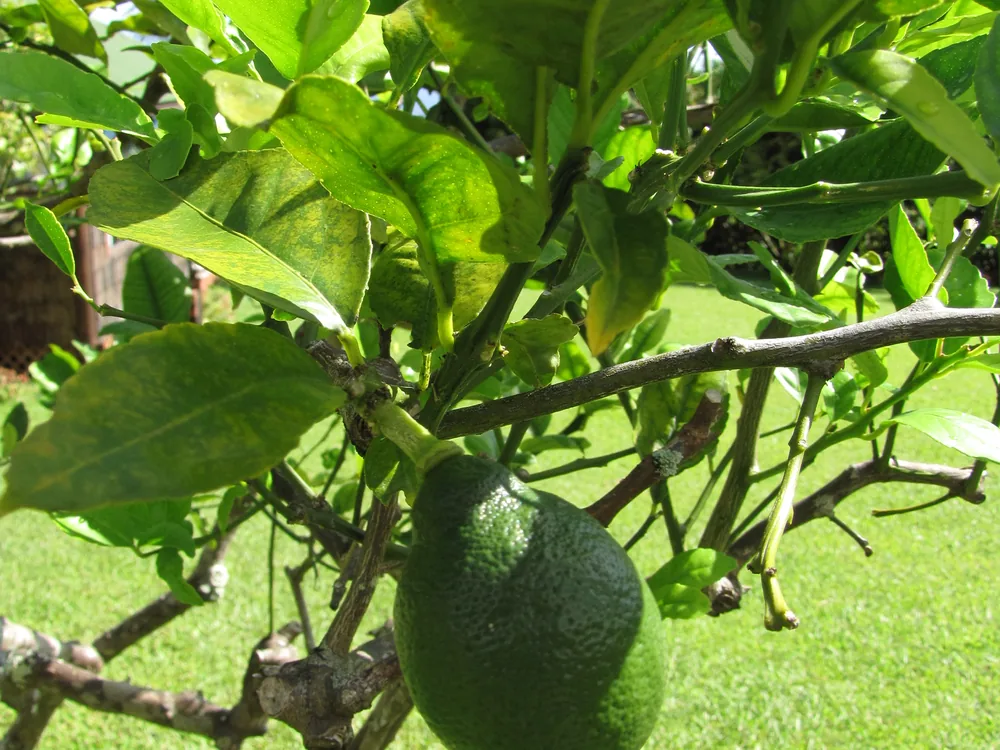
.jpg)
Rutaceae (rue and citrus family) · Evergreen flowering and fruiting tree
Meyer Lemon quick reference
| USDA zones | 9 to 11 |
|---|---|
| Indoor / outdoor | Indoor-capable; outdoors all summer, indoors over winter in cold climates |
| Light | Maximum light, direct sun, the more the better |
| Water | Even moisture; water thoroughly, never soggy |
| Soil | Free-draining bonsai mix, slightly acidic |
| Repot | Every 2 to 3 years in early spring |
| Frost | The hardiest common lemon, but still tender; protect below 30 F (-1 C) |
| Mature height (as bonsai) | Tree to 3 m; 30 to 90 cm as bonsai |
| Growth rate | Moderate |
| Season of interest | Fragrant white flowers, then yellow-orange fruit, often at the same time |
| Leaf reduction | Limited; leaves stay proportionally large |
| #1 cause of death | Too little light indoors, then root rot from a saucer left full |
Overview & Character
The Meyer Lemon is a hybrid, not a true lemon. It is generally understood to be a cross between a citron and a mandarin or sweet orange, collected in China and introduced to the United States by the agricultural explorer Frank Meyer in 1908. The result is a smaller, more compact, more cold-tolerant plant than a true lemon (Citrus limon), bearing rounder fruit with thin smooth skin, deep yellow-orange colour, and juice that is markedly less acidic and slightly sweet.
Nearly everything sold today is the 'Improved Meyer', a virus-free selection released in the 1970s after the original stock was found to carry tristeza virus and was destroyed across California. That is a piece of history worth knowing when you read older growing advice.
As bonsai it occupies an honest middle ground. It will never give you the fine ramification and tiny foliage of a privet or an elm; citrus leaves are large, leathery and reluctant to reduce, and the fruit is enormous relative to any believable scale. What it gives instead is presence: glossy evergreen foliage, intensely fragrant white flowers flushed purple in bud, and real, edible lemons hanging on a tree small enough to sit on a table. It flowers and fruits readily at a young age and often carries flowers and ripening fruit simultaneously.
Treat it as a fruiting tree in a bonsai pot rather than a subject for classical refinement, and it is deeply rewarding. Expect it to behave like a Japanese maple and you will be disappointed.
Identification
Foliage: Alternate, glossy dark green, broadly elliptic leaves 5 to 10 cm long, thick and leathery, with a faintly winged leaf stalk. Crushed foliage smells strongly of lemon, which is the fastest identification of any citrus. Thorns are few, short, and often absent altogether, unlike most true lemons.
Bark & trunk: Smooth and green on young wood, ageing to grey-brown with fine vertical fissuring. Trunks thicken steadily rather than fast.
Growth habit / form: Naturally bushy, rounded and multi-stemmed, denser and more compact than a true lemon. Suits informal upright and broom styles. Left alone it becomes congested.
Flowers / fruit: Highly fragrant white flowers, distinctly purple-flushed in bud, borne singly or in small clusters, often several times a year and frequently while fruit from a previous flush is still ripening. Fruit is rounder and smaller than a supermarket lemon, with a thin, smooth, deep yellow to egg-yolk orange skin, and takes six to nine months to ripen fully on the tree.
Look-alikes & how to tell them apart: A true lemon (C. limon) has larger, more oval fruit with a pronounced nipple at the end, thicker bumpier pale yellow skin, and a thornier, ranker habit. Calamondin (× Citrofortunella microcarpa) has much smaller, orange, very sour fruit and smaller leaves. If the fruit is round, deep orange-yellow, thin-skinned and the plant is nearly thornless, it is a Meyer.
Climate & USDA Zone
Hardy in USDA zones 9 to 11, and the most cold-tolerant of the commonly grown lemons, which is a relative claim rather than a hardiness rating. A mature tree in the ground survives brief dips to around 20 F (-7 C) with damage; a tree in a bonsai pot has no such reserve and should be protected once temperatures approach 30 F (-1 C).
The practical arrangement in a temperate climate is straightforward: outdoors from late spring until the first cool nights of autumn, then indoors in the brightest available position for winter, or in a cool bright conservatory or greenhouse kept above 40 F (4 C). A cool, bright winter rest suits it better than a warm dim one.
Move it gradually in both directions. Citrus responds to abrupt changes in light and temperature by dropping leaves, flowers and small fruit, and a two-week acclimatisation each way prevents most of that.
Light
As much direct sun as you can physically provide. This is the single most important factor and the one most often got wrong. Outdoors in summer it wants full sun. Indoors in winter it wants the brightest south-facing window in the house, right up against the glass.
Most indoor citrus failures are slow light starvation. The symptoms are pale, thin, oversized leaves, long weak shoots, no flowers, and gradual leaf drop, followed by pests arriving on a weakened tree. If a bright window is not available, a supplementary grow light for the winter months is a genuine solution rather than a luxury.
Watering
Water thoroughly, then allow the surface to firm up before watering again. Aim for even moisture, and never leave the pot standing in water.
- Water until it runs freely from the drainage holes, then empty the saucer. Citrus roots will not tolerate sitting in water.
- Do not let the root ball dry out through its depth. Drought causes immediate flower and fruit drop, and a dry-out during fruit set costs you that season's crop.
- Watering drops sharply in winter indoors, where the tree is barely growing. Overwatering a cool, dim, dormant citrus is the classic winter mistake.
- Citrus prefers slightly acidic conditions. If your tap water is very hard, rainwater is a worthwhile improvement.
Soil & Root Care
Soil: A free-draining bonsai mix, slightly on the acidic side. Akadama with pumice and lava works, as does a good commercial citrus compost blended with grit. Drainage matters more than any particular recipe; citrus roots are intolerant of stagnant conditions.
Repotting:
- Frequency: every two to three years, in early spring as growth begins, before the main flowering flush.
- Be moderate with the roots. Remove no more than a quarter to a third, and never bare-root a citrus.
- Citrus roots are brittle and dislike disturbance. Tease gently rather than combing aggressively.
- Aftercare: warmth, bright but not scorching light, careful watering, and no feed for six weeks.
Feeding
Citrus are heavy feeders and specifically hungry for nitrogen, magnesium and iron. Use a dedicated citrus fertiliser, which is formulated for exactly this, in preference to a general balanced feed.
- Summer: a high-nitrogen citrus feed at every second or third watering through the growing season.
- Winter: a low-nitrogen citrus winter feed, roughly monthly, while the tree is resting.
Yellowing between the veins on older leaves is magnesium deficiency; yellowing between the veins on new leaves is iron, usually caused by hard alkaline water locking it up. Both are common, both are correctable, and both are far more likely than any disease.
Pruning & Styling
- Prune in early spring, before the main flush, and lightly through the season to maintain shape.
- Cut back extending shoots to two or three leaves to encourage branching and keep the tree compact.
- Thin the interior. Citrus grows dense and congested, and an open structure improves light penetration, air movement and pest control considerably.
- Remove any shoots emerging from below the graft union on grafted trees. They belong to the rootstock and will overwhelm the tree.
- Fruit thinning matters. A small tree carrying too many fruit exhausts itself, drops the lot, and flowers poorly the following year. On a bonsai-sized tree, one to three fruit is a sensible load. Remove the rest while they are small.
- Wiring: possible on young flexible shoots, but citrus wood is brittle and the bark marks easily. Cut-and-grow and directional pruning are the safer approach for most of the structure.
- Expect some leaf and small-fruit drop after any move, repot or change in conditions. It is normal and not a sign of failure.
Propagation & Cuttings
Ease: Moderate. Best methods: semi-hardwood cuttings; air layering; grafting.
Meyer Lemon is one of the easier citrus to root from cuttings, and semi-hardwood cuttings taken in late spring or summer strike reasonably well with bottom heat and humidity. Air layering is also reliable and produces a larger plant faster. Most commercial trees are grafted onto a dwarfing or disease-resistant rootstock, which affects vigour and hardiness, so a cutting-grown tree on its own roots will not behave identically to a grafted one.
Seed is possible but a poor idea. Citrus seedlings are slow, extremely thorny in their juvenile phase, and may take many years to flower, and hybrid seed does not come true to the parent.
Pests
- Scale insects, especially brown soft scale, extremely common on indoor citrus
- Mealybugs, in leaf axils and around the root collar
- Spider mites, thriving in dry heated indoor air
- Aphids, on soft new growth and flower buds
- Citrus leaf miner, leaving silvery winding trails in new leaves
Citrus is a pest magnet indoors, and this is the practical reality of growing one. Inspect leaf undersides weekly. Sticky leaves or black sooty mould mean scale or mealybug above, producing honeydew. Horticultural oil and insecticidal soap are effective and safe on a tree whose fruit you intend to eat; check the label of anything else you consider.
Disease, Fungus & Infection
- Root rot, from poor drainage or winter overwatering. The commonest killer after low light.
- Sooty mould, a black film growing on pest honeydew. Treat the insect, then wash the leaves.
- Chlorosis, yellowing from nutrient lock-out in hard water rather than infection. Correct with a citrus feed and softer water.
- Greasy spot and anthracnose, fungal leaf problems in warm humid stagnant air. Improve airflow.
- Leaf drop, almost always shock from a move, a draught, a chill or a dry-out. Diagnose the cause before treating for disease.
Most Common Causes of Death
1. Too little light indoors. The dominant cause. Citrus needs far more light than a typical windowsill offers over winter. 2. Root rot. Standing water, a full saucer, or overwatering a resting winter tree. 3. Cold damage. Protect below about 30 F (-1 C), and keep it away from cold glass and opening doors. 4. Draughts and heating vents. Both cause leaf drop and dry the tree out; forced-air heating is particularly hard on citrus. 5. Overcropping. A small tree allowed to carry a heavy fruit load exhausts itself. Thin the fruit.
Seasonal Calendar
- Early spring: Repot if due. Prune before the main flush. Switch to the high-nitrogen summer feed. Main flowering begins.
- Late spring: Move outdoors once nights are reliably above 50 F (10 C), acclimatising over two weeks. Fruit sets. Thin to a sensible crop.
- Summer: Full sun outdoors, generous water, feed at most waterings. Light pruning to maintain shape. Watch for pests.
- Autumn: Bring indoors before nights cool, again gradually. Inspect thoroughly for pests before it comes inside. Reduce water. Switch to winter feed.
- Winter: Brightest possible position, cool rather than warm if you can manage it. Water sparingly. Monthly low-nitrogen feed. Fruit from the summer set continues ripening.
Sources
- Wikipedia, Meyer lemon
- University of California Riverside Citrus Variety Collection, Improved Meyer lemon
- Missouri Botanical Garden Plant Finder, Citrus × meyeri
Buy a Meyer Lemon bonsai
- All species
- Shop bonsai trees, tools & supplies
- How to Water a Bonsai (Without Killing It)
- Bonsai Soil: What to Buy, What to Mix, and What It Costs
- Why Bonsai Die After Repotting: Diagnosing a Failed Repot
- Pruning vs. Pinching: Shaping Your Bonsai
- Overwintering Bonsai: Cold-Season Care
- Indoor Bonsai Light and Humidity: Making a Windowsill Actually Work
- Root Rot on bonsai
- Overwatering on bonsai
- Underwatering (Drought Stress) on bonsai
- Winter / Frost Damage on bonsai
- Leaf Scorch / Sunburn on bonsai
- Calamondin Orange bonsai care
- Loquat bonsai care
- Mistletoe Fig bonsai care
- Bahama Berry bonsai care