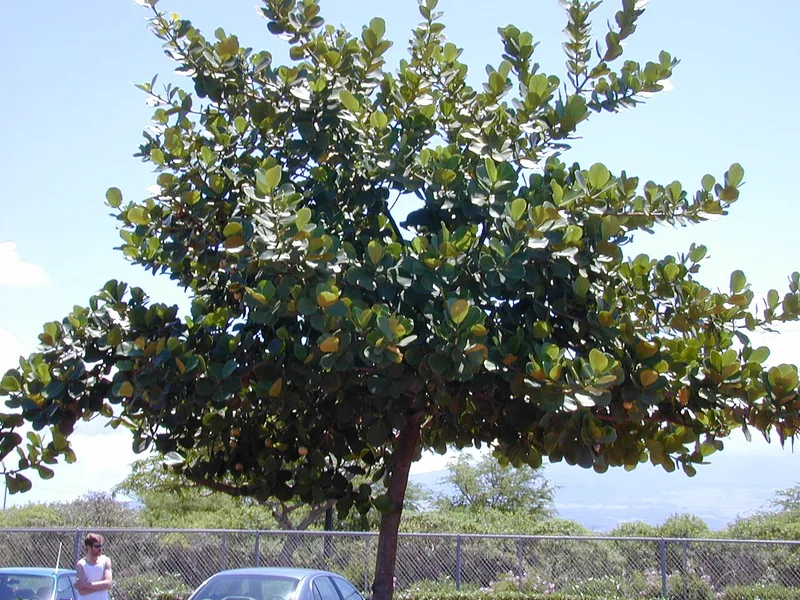
Clusia Bonsai Care
Clusia rosea
1 Clusia bonsai in stock, from $114.95 Shipped direct from our nursery partners, with a 48-hour live-arrival guarantee. See the trees
Zones 10b to 11, indoor. The Autograph Tree gets its name from a party trick. Most are lost to overwatering.
Clusiaceae · Tropical broadleaf evergreen tree or shrub; in the wild often a strangler starting life as an epiphyte
Clusia quick reference
| USDA zones | 10b–11 outdoors year-round; indoors everywhere else |
|---|---|
| Indoor / outdoor | Indoors, with a summer outside once nights are above 50°F |
| Light | Full sun to bright light; tolerates partial shade indoors at the cost of compactness |
| Water | Let it dry slightly between waterings. The thick leaves store water — it is more drought-tolerant than it looks |
| Soil | Coarse, porous, free-draining, slightly acid to neutral |
| Repot | Every 2 years while developing, less often once mature; spring |
| Frost | None. Damage from about 30–32°F; ideal range 60–95°F |
| Mature height (as bonsai) | 15–20 m as a wild tree; 30–60 cm as a container specimen |
| Growth rate | Slow to moderate |
| Season of interest | Glossy evergreen foliage year-round; pink-white flowers are possible but rare indoors |
| Leaf reduction | Poor — the leaves are thick and leathery and do not meaningfully reduce |
| #1 cause of death | Root rot from overwatering in a dense mix, often finished off by cold exposure |
Overview & Character
The Autograph Tree gets its name from a party trick: the leaves are thick and waxy enough that you can scratch your initials into one and the mark stays for the life of the leaf. That tells you most of what you need to know about the foliage — paddle-shaped, leathery, and substantial.
As a container subject its real appeal is structural. In the wild Clusia rosea often begins life perched in the crown of another tree and sends roots down to the ground, and mature plants produce aerial roots readily. Growers use that to build mangrove and banyan-style trunk-and-root compositions that genuinely look ancient.
Where we should be straight with you: the leaves will not reduce. They are thick, paddle-shaped and naturally large, and no amount of defoliation or pinching will give you the fine foliage a Chinese Elm or a Ficus produces. A small Clusia is a plant that has been kept small overall, not one that has been refined. That puts it closer to a trained tropical houseplant than to classical bonsai — attractive, forgiving, sculptural, but not a subject for developing ramification technique.
Identification
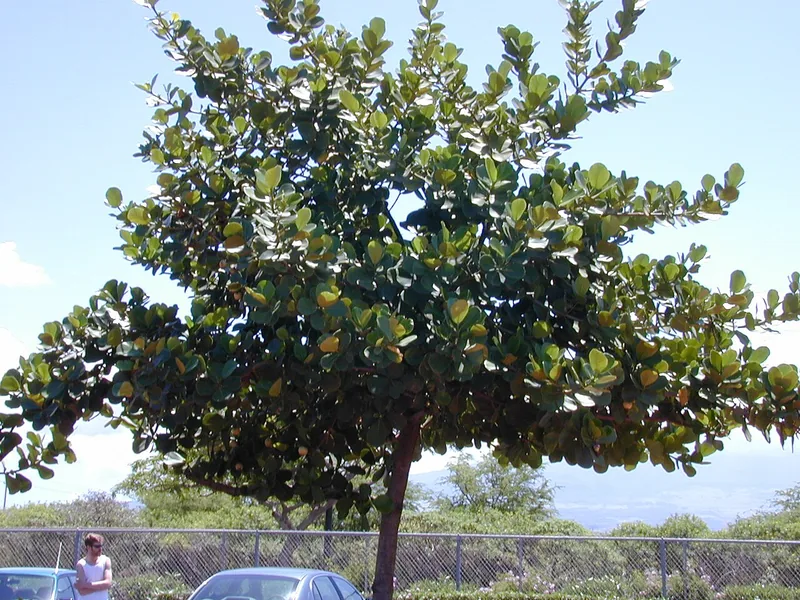
Foliage: Thick, glossy, opposite, obovate to paddle-shaped leaves, leathery to the touch. Scratching the surface leaves a permanent pale mark — the identifying party trick.
Sap: Cuts exude a milky white to yellowish latex.
Bark & trunk: Grey-brown, smooth on young wood. Aerial roots develop with age, dropping from branches and thickening into secondary trunks.
Flowers & fruit: Showy pink-and-white flowers, and green star-splitting seed capsules. Both are uncommon on indoor plants.
Look-alikes: Clusia guttifera, as above. Ficus species trained in similar mangrove styles, but Ficus leaves are thinner and the latex behaves differently.
Climate & USDA Zone
Zones 10b–11 outdoors year-round. Elsewhere, an indoor plant that can summer outside. Damage starts around 30–32°F; the comfortable range is 60–95°F. It will not survive a frost.
Light
Full sun to bright light. It tolerates partial shade — which is why it works as a houseplant — but growth becomes open and leggy and the leaves get larger still. A bright window, or full sun outdoors in summer, produces the most compact plant.
Watering
Let it dry slightly between waterings. The thick succulent-ish leaves store water, and an established Clusia is genuinely tolerant of a missed watering. What it does not tolerate is a bonsai pot full of dense mix that stays wet — the roots rot.
Water thoroughly, let the excess drain away, and let the surface dry before watering again. Cut back through winter.
Soil & Root Care
Coarse, porous and free-draining, slightly acid to neutral. Repot every two years while the plant is developing, less often as it matures, in spring at the start of active growth.
If you are building a mangrove or banyan composition, repotting is also when you decide how much aerial root to expose and how to guide new roots into the soil.
Feeding
Balanced fertiliser through spring and summer, at moderate strength. Stop over winter. Heavy feeding on a slow-growing plant simply produces oversized leaves, which is the opposite of what you want here.
Pruning & Styling
It takes pruning well and back-buds reasonably on younger wood. Two practical notes from growers: use sharp hand tools rather than shears, because cut leaf edges brown conspicuously on foliage this thick; and wire only young flexible growth, as the leaves mark easily under wire.
The real styling opportunity is the root system. Encourage aerial roots by keeping humidity up, guide them down into the soil, and over years you can build the buttressed, multi-trunked look the species is grown for. Informal upright, banyan and mangrove styles all suit it.
Propagation & Cuttings
Ease: Easy. Best method: stem cuttings.
Stem cuttings root readily in water or in a moist free-draining mix, usually within a few weeks, taken in spring or summer. This is one of the more straightforward species in the collection to propagate.
Pests
Scale, mealybugs, aphids and spider mites — occasional rather than chronic, and rarely fatal on a plant this robust. Check leaf undersides and the joints where leaves meet stems.
Disease, Fungus & Infection
Root rot from overwatering is the main event. Sooty mould follows pest honeydew and is cosmetic — deal with the pest and the mould goes.
Most Common Causes of Death
1. Root rot from overwatering. The commonest failure, made worse by a dense mix in a shallow pot. 2. Cold exposure. Left outdoors below 40°F, or in an unheated room over winter. 3. Both together. Cold, wet roots in winter is the classic combination that kills tropicals in temperate houses.
Seasonal Calendar
- Spring: Repot if due; resume feeding; prune for structure before the growth flush.
- Summer: Outdoors in bright light once nights are above 50°F; water when the surface dries; encourage aerial roots with humidity.
- Autumn: Bring indoors before nights approach 50°F.
- Winter: Bright, warm (above 55°F), and drier. No feeding.
Toxicity, Safety & Handling
The milky sap is a documented skin irritant and can cause contact dermatitis — wear gloves when pruning or taking cuttings. Ingesting sap or fruit is reported to cause stomach upset in people and pets.
We should be precise about the strength of that evidence: there is no dedicated ASPCA entry for Clusia rosea, and the toxicity information above comes from horticultural and grower sources rather than a veterinary poison-control database. Treat it as "irritant, handle with gloves, do not let anyone eat it" rather than as a severe poisoning risk on the scale of a sago palm.
Close-up photo reference
Compare your tree against these to confirm the species and spot problems early.

Sources
Buy a Clusia bonsai
- All species
- Shop bonsai trees, tools & supplies
- How to Water a Bonsai (Without Killing It)
- Bonsai Soil: What to Buy, What to Mix, and What It Costs
- Why Bonsai Die After Repotting: Diagnosing a Failed Repot
- Pruning vs. Pinching: Shaping Your Bonsai
- Overwintering Bonsai: Cold-Season Care
- Indoor Bonsai Light and Humidity: Making a Windowsill Actually Work
- Root Rot on bonsai
- Overwatering on bonsai
- Winter / Frost Damage on bonsai
- Spider Mites on bonsai
- Scale Insects on bonsai
- Dwarf Umbrella Tree (Dwarf Schefflera) bonsai care
- Ficus bonsai care
- Fukien Tea bonsai care
- Natal Plum bonsai care