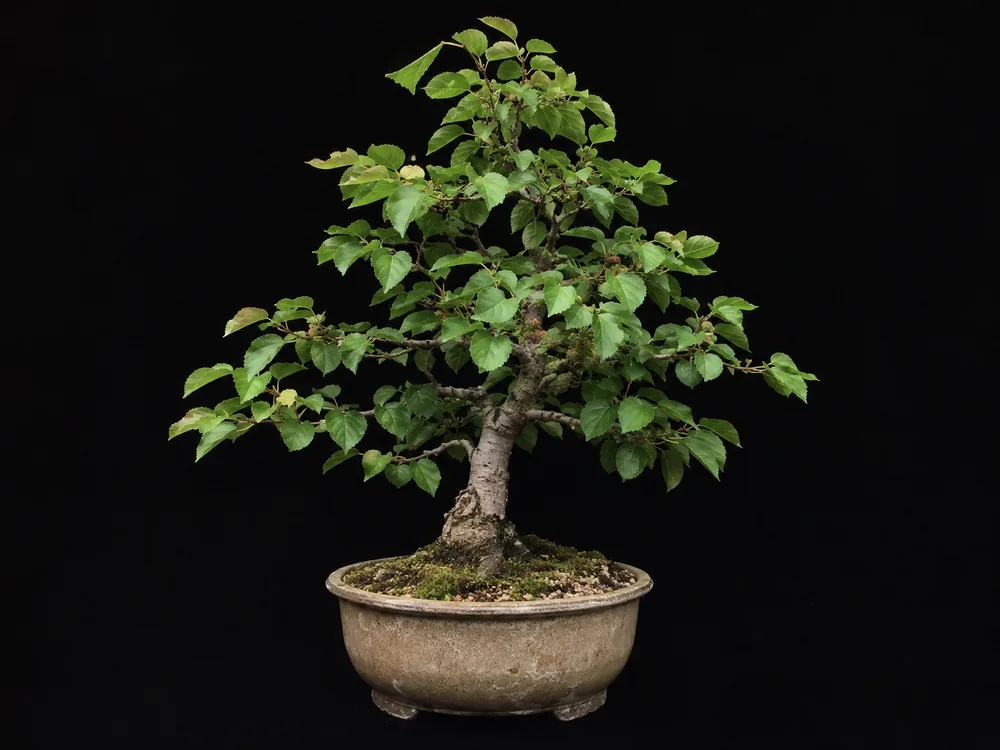
Mulberry Bonsai Care
Morus alba
Zones 4 to 9, outdoor. A vigorous, easy, fast-growing deciduous tree grown as bonsai for rugged character. Most are lost to drying out.
Moraceae (fig/mulberry family) · Deciduous broadleaf fruiting tree
Mulberry quick reference
| USDA zones | 4–9 |
|---|---|
| Indoor / outdoor | Outdoor (deciduous; can winter in a cool bright spot) |
| Light | Full sun — 6+ hours; needed for fruit and short internodes |
| Water | Keep evenly moist in growth; never dry while fruiting |
| Soil | Free-draining, moisture-retentive mix |
| Repot | Every 2–3 years, early spring |
| Frost | Hardy; protect potted roots in hard freeze |
| Mature height (as bonsai) | 10-15m wild; 30-60cm as bonsai |
| Growth rate | Fast; vigorous, buds on old wood |
| Season of interest | Edible fruit; yellow autumn foliage |
| Leaf reduction | Large leaves reduce well with defoliation |
| #1 cause of death | Drying out (fruit/leaf drop); overwatering in dormancy |
Overview & Character
The Mulberry is a vigorous, easy, fast-growing deciduous tree grown as bonsai for rugged character, quick development, and edible berries. It back-buds strongly, takes hard pruning, and reduces its (naturally large) leaves well with technique, making it rewarding and forgiving — a good choice for building trunks and ramification quickly.
It wants full sun, generous water in growth, and regular trimming. Its big leaves are managed by a midsummer defoliation that forces a second, much smaller canopy. Keep it well-watered, especially while fruiting, and protect the potted roots over winter.
Identification
Foliage: Variable, alternate leaves ~6–18 cm (large on vigorous growth, reducible on bonsai), often lobed or mitten-shaped on juvenile/vigorous shoots and unlobed/ovate on older wood, with a coarsely serrate margin and glossy surface; yellow in autumn. Milky sap when cut (a Moraceae trait).
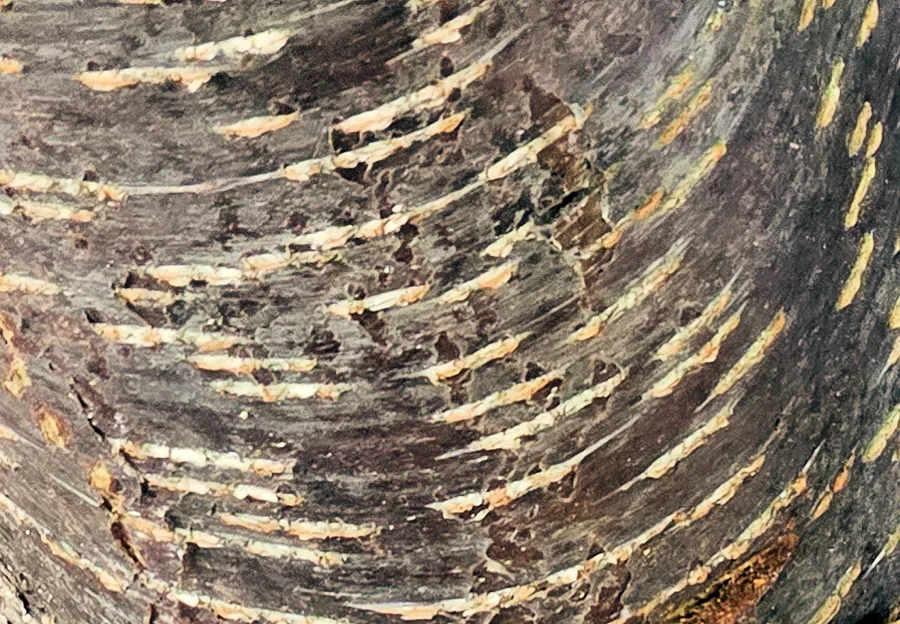
Bark & trunk: Grey-brown, becoming rugged, fissured, and characterful with age — develops an old look quickly.
Growth habit / form: Vigorous, fast, spreading; back-buds and ramifies readily. Suits informal upright, twin-trunk, and rugged naturalistic styles.
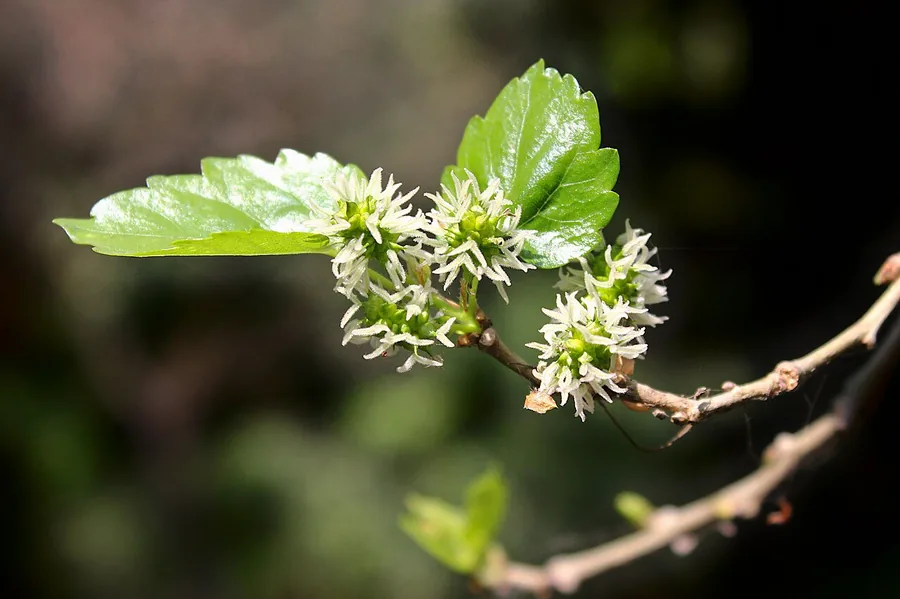
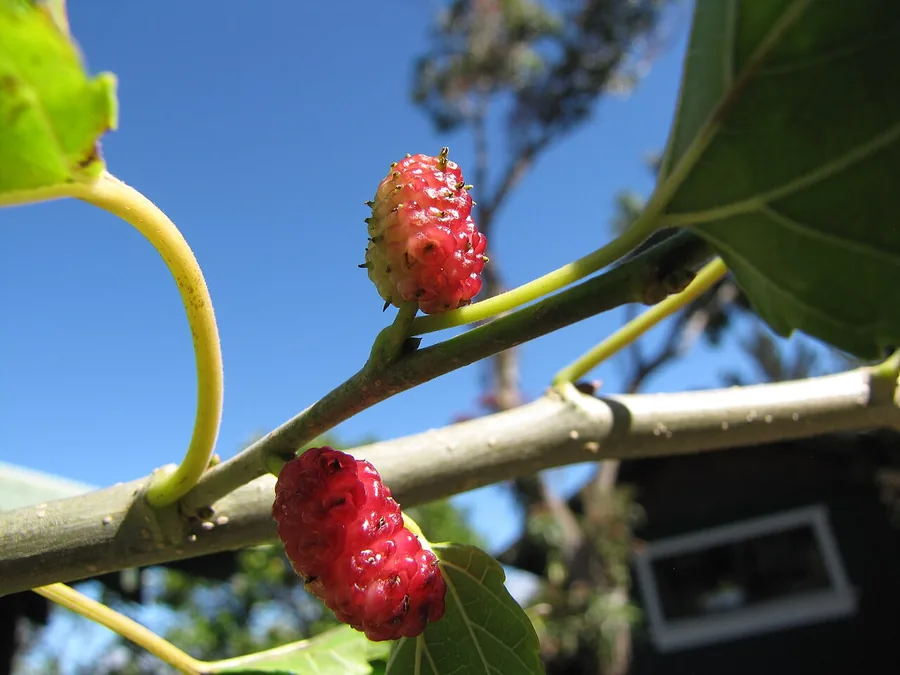
Flowers / fruit: Inconspicuous catkins, followed by juicy multiple fruits (berries) ripening white, pink, red, or deep purple-black depending on type.
Look-alikes & how to tell them apart: The variable lobed/unlobed leaves with milky sap plus mulberry fruit are distinctive; the mix of mitten-shaped and unlobed leaves on one plant is the quickest tell versus other rough-leaved trees.
Climate & USDA Zone
Hardy in USDA zones 4–9 (White Mulberry is the hardiest; Black Mulberry a bit more tender). Deciduous and dormancy-needing, grown outdoors; protect potted roots in hard freezes. Heat- and drought-tolerant once established but best fruit and growth come with steady water.
Light
Full sun — at least 6 hours. Sun is essential for fruit ripening and for keeping internodes short and growth compact; shade gives leggy growth and poor fruiting.
Watering
Keep evenly moist through the growing season — never let it dry while in leaf or fruit.
- A thirsty grower; water as the surface dries, often daily in summer. Drying out causes wilting and drops leaves and fruit.
- Avoid waterlogging; provide free drainage.
- Reduce watering in dormancy (wet cold soil on a leafless tree risks rot).
Soil & Root Care
Soil: A free-draining, moisture-retentive bonsai mix (akadama / pumice / lava).
Repotting:
- Frequency: every 2–3 years, early spring before bud break.
- Vigorous and root-tolerant; reduce roots by up to ~1/3.
- Aftercare: keep moist and sheltered; it re-establishes quickly.
Feeding
Feed every ~4–6 weeks through the growing season with a balanced fertilizer; if you want a strong fruit set, ease back on the heaviest pruning and keep feeding steady. Reduce/stop in winter. Don't feed freshly repotted trees.
Pruning & Styling
- Trimming: It back-buds strongly and grows fast — trim frequently to build ramification; takes hard pruning well.
- Leaf reduction: because leaves are naturally large, a defoliation in about June (removing the largest leaves) forces a second flush of much smaller leaves suited to bonsai.
- Fruit vs. refinement: hard spring pruning reduces fruiting; postpone strong cuts if you want berries that year.
- Wiring: young shoots are flexible; older wood stiffens — wire when needed, watch for bite. Suits informal upright, twin-trunk, naturalistic styles.
Propagation & Cuttings
Ease: Very easy. Best methods: hardwood and softwood cuttings; seed.
Morus alba roots readily — hardwood cuttings in winter (even thick ones) and softwood cuttings in summer both strike well with light hormone, and it suckers and layers. Seed from the ripe fruit germinates easily after a short cold stratification. For bonsai the vigorous growth, big-but-reducible leaves, and fast thickening make cutting-grown stock develop quickly; mulberry back-buds strongly and tolerates severe pruning, recovering fast.
Pests
- Whitefly and aphids
- Scale insects and mealybugs
- Spider mites (hot, dry conditions)
- Birds (will strip ripe fruit)
Treat with horticultural oil, insecticidal soap, or appropriate systemics; catch infestations early.
Disease, Fungus & Infection
Tough and largely trouble-free; issues are mostly cultural:
- Root rot — from waterlogging, especially overwatering in dormancy.
- Leaf/fruit drop — from drying out (cultural stress).
- Powdery mildew / leaf spot — in damp, stagnant conditions; improve airflow.
- Popcorn disease (a fungal fruit deformity) in some warm-humid regions; remove affected fruit.
Prevention: full sun, even moisture in season, free drainage, careful dormant watering.
Most Common Causes of Death
1. Drying out. Causes wilting and leaf/fruit drop; keep evenly moist, especially while fruiting. 2. Overwatering in dormancy. Cold wet soil rots roots — cut water back in winter. 3. Root rot from poor drainage. Use a free-draining mix. 4. Insufficient sun. Leggy growth and poor fruit; give full sun. 5. Unprotected potted roots in severe freezes. Hardy tree, but shelter the pot.
Seasonal Calendar
- Spring: Repot if due (before bud break); resume feeding; full sun; flowers/young fruit form.
- Summer: Full sun; water generously (daily in heat); harvest berries; defoliate (~June) to reduce leaf size; trim.
- Autumn: Yellow color; taper feeding/water as it goes dormant.
- Winter: Dormant/leafless; water sparingly; structural pruning; protect potted roots.
Close-up photo reference
Compare your tree against these to confirm the species and spot problems early.


.jpg)
Sources
Growing a Mulberry bonsai
We don’t currently stock Mulberry trees. If you already have one — or you are sourcing one elsewhere — these are the supplies its care depends on:
- Bonsai Decorative Crushed Shale Top of Soil Dressing — $4.95
- Bonsai Zen Garden Grooming Rake — $8.95
- Metal Impression Tags Package of 4 — $2.95
Browse all bonsai trees, tools and soil or find a species we stock that suits your conditions.
- All species
- Shop bonsai trees, tools & supplies
- How to Water a Bonsai (Without Killing It)
- Bonsai Soil: What to Buy, What to Mix, and What It Costs
- Why Bonsai Die After Repotting: Diagnosing a Failed Repot
- Pruning vs. Pinching: Shaping Your Bonsai
- Overwintering Bonsai: Cold-Season Care
- Indoor Bonsai Light and Humidity: Making a Windowsill Actually Work
- Root Rot on bonsai
- Overwatering on bonsai
- Underwatering (Drought Stress) on bonsai
- Winter / Frost Damage on bonsai
- Powdery Mildew on bonsai
- Crabapple bonsai care
- Japanese Barberry bonsai care
- American Elm bonsai care
- American Hornbeam bonsai care