
Live Oak Bonsai Care
Quercus virginiana
Zones 8 to 10, outdoor only. One of North America's most iconic trees, famous for the sprawling. Most are lost to overwatering.
Fagaceae (the beech and oak family) · Evergreen to semi-evergreen broadleaf tree; outdoor bonsai
At a glance
- Type
- Broadleaf evergreen
- Leaves
- Evergreen
- USDA zones
- 8 to 10
- Indoor or outdoor
- Outdoor
- Growth rate
- Moderate
- Bonsai popularity
- Tier 2
Close-up photo reference
Compare your tree against these to confirm the species and spot problems early.
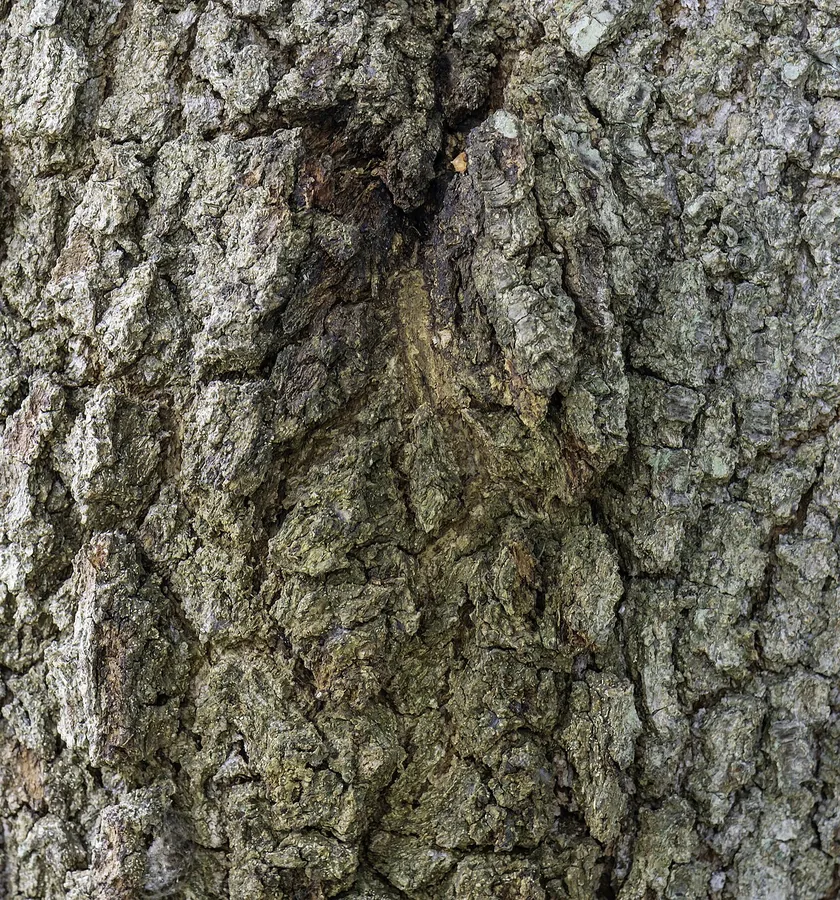

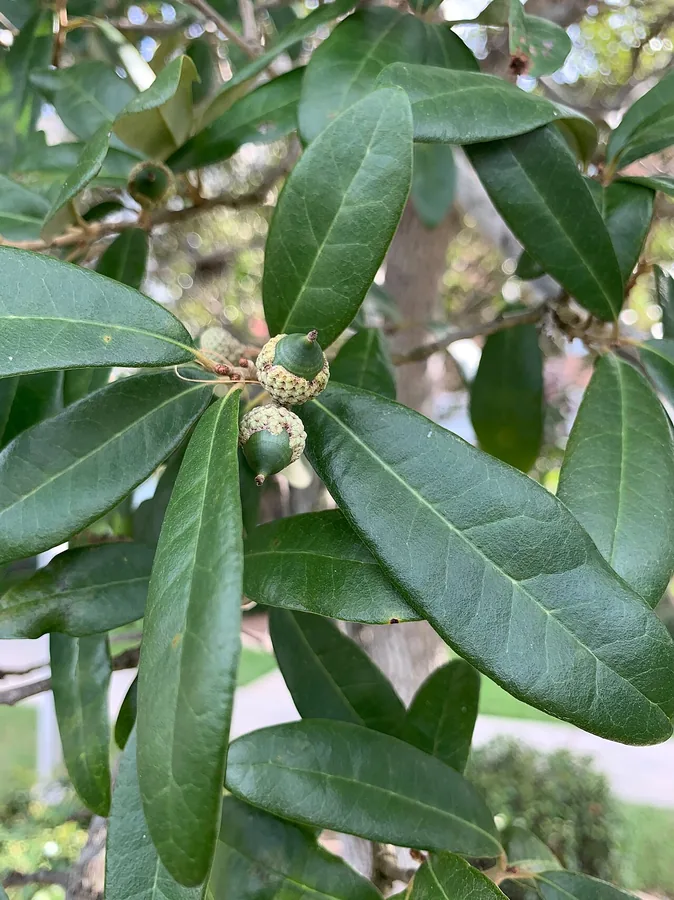

Live Oak quick reference
| USDA zones | 8 to 10 |
|---|---|
| Indoor / outdoor | Outdoor only; needs real sun and seasonal airflow, not an indoor tree |
| Light | Full sun; tolerates light afternoon shade in extreme heat |
| Water | Evenly moist but well-drained; dislikes soggy roots and prolonged drought |
| Soil | Free-draining inorganic mix (akadama/pumice/lava) with modest organic content |
| Repot | Every 2 to 3 years for young trees, 3 to 5 years once mature |
| Frost | Hardy to roughly 10 to 15°F in ground; potted roots need protection below ~28°F |
| Mature height | 60 to 80 ft (18 to 24 m), with a spread often wider than its height [s3] |
| Growth rate | Moderate [s3] |
| Season of interest | Evergreen foliage and a showy trunk with rough, deeply furrowed, blocky bark [s3] |
| Leaf reduction | Not rated by the sources we checked |
| #1 cause of death | Root rot from overwatering or poorly draining soil |
Overview & Character
The Southern Live Oak is one of North America's most iconic trees, famous for the sprawling, low-slung crowns draped in Spanish moss across the American South. Unlike most oaks it holds much of its foliage through winter, dropping and replacing leaves over a short window in spring, which gives it an evergreen appearance. As bonsai it is prized for its powerful, muscular trunk, ability to develop dramatic movement, and small, leathery leaves that reduce well under cultivation.
Live oak is a slow-to-moderate grower with dense, hard wood and a naturally rugged bark that ages beautifully. It rewards patience: given years of ramification work, it produces the fine twigging and thick, aged nebari that make convincing large-scale bonsai. It is best suited to warmer climates and is not tolerant of hard, sustained freezes when confined to a container.
Identification
Foliage is small, oval to elliptical, dark glossy green above and paler beneath, with a leathery texture and usually smooth (untoothed) margins. Bark is dark gray-brown, deeply furrowed and blocky on mature specimens. The habit in nature is broad and spreading, often wider than tall, with heavy horizontal limbs. Flowers are inconspicuous yellow-green catkins in spring; the fruit is a small, elongated, dark brown acorn borne singly or in clusters.
Look-alikes & how to tell them apart: Live oak is easily confused with other evergreen oaks such as the Coastal Live Oak (Quercus agrifolia, whose leaves are cupped with spiny margins) and the Holm/Holly Oak (Quercus ilex, whose leaves are often toothed and more silvery beneath). Live oak leaves are typically flat, smooth-edged and glossy, and its acorns are notably slender compared with the rounder acorns of most other oaks.
Climate & USDA Zone
Live oak thrives in USDA zones 8 to 10 and is fundamentally a warm-temperate to subtropical species. It handles high heat and humidity well and tolerates coastal salt exposure better than most trees. In colder regions it can be grown only with winter protection, and it should never be treated as a houseplant; it needs the seasonal light and temperature cues of an outdoor life.
Light
Give live oak full sun for the strongest growth, shortest internodes and best leaf reduction. In regions with intense summer heat, light afternoon shade helps prevent leaf scorch on trees in small pots, but avoid deep shade, which produces weak, leggy growth and large leaves. Good sun exposure is also key to developing dense ramification.
Watering
Keep the soil evenly moist but never waterlogged. Live oak likes a cycle where the surface begins to dry slightly between waterings, then a thorough soak. It is more drought-tolerant than many species once established, but sustained dryness in a small pot causes leaf drop and dieback. The greater danger is the opposite: standing water suffocates the roots and invites rot, so drainage matters more than watering frequency.
Soil & Root Care
Use a free-draining bonsai mix: a common blend is akadama, pumice and lava rock in roughly equal parts, with a modest proportion of organic matter to hold some moisture. Live oaks develop strong, somewhat coarse root systems that respond well to development of a spreading nebari. Repot young trees every 2 to 3 years and mature trees every 3 to 5 years, in early spring as buds begin to move. Prune roots conservatively; oaks resent very heavy bare-rooting, so work in stages and never remove more than about a third of the root mass at once.
Feeding
Feed regularly through the growing season from spring into early autumn. A balanced organic fertilizer supports steady development; you can lean toward slightly higher nitrogen early in the season to build the tree and taper off in late summer to firm up growth before cooler weather. Reduce or stop feeding in winter when the tree is largely dormant. Avoid over-feeding, which produces large leaves and long internodes that undermine refinement.
Pruning & Styling
Live oak buds reliably on old wood, which makes it forgiving of structural pruning. Do major branch pruning in late winter to early spring before the flush. Build ramification by allowing new shoots to extend, then cutting back to one or two leaves once they harden. Pinching soft new growth encourages back-budding and finer twigs. The species suits informal upright, broom and especially large spreading "landscape oak" styles that echo its natural form. Wire while shoots are still flexible; mature branches are hard and best shaped with clip-and-grow. Seal larger cuts, as oak wood can be slow to callus.
Seasonal Calendar
- Spring: Main growth flush and best time to repot as buds swell; begin feeding; do structural pruning before the flush hardens.
- Summer: Peak growth; water attentively, provide afternoon shade in extreme heat, continue feeding, and pinch/cut back extending shoots for ramification.
- Autumn: Growth slows; taper feeding; light tidying pruning; begin preparing for cooler weather.
- Winter: Largely dormant with much foliage retained; withhold fertilizer, protect roots from hard freezes, and keep soil just moist.
Care calendar by month
- Repot and root-prune: March to April
- Prune, wire and shape: May to July
- Feed: April to September
- Air-layer or take cuttings: June to July
Propagation & Cuttings
Ease: Easy from acorns. Best method: seed (acorns).
Quercus virginiana grows from fresh acorns; sow at once in autumn before they dry (they germinate immediately, often without a cold period, sending down a strong taproot). Root-prune or sow shallow early to build bonsai nebari. Cuttings and grafting are difficult on oaks. As an evergreen southern oak, keep young plants frost-protected in colder zones. For bonsai, start acorns early and grow on hard for trunk girth; live oak back-buds well and takes to hard reduction once established.
Pests
Live oak can host aphids, scale insects, oak mites and various caterpillars and leaf-rolling larvae. Aphids and scale are the most common in cultivation and are treated with insecticidal soap, horticultural oil or a suitable systemic. Inspect leaf undersides and new growth regularly, since small infestations are far easier to control than established ones. Gall wasps commonly produce harmless-looking galls on oaks; these are usually cosmetic and rarely threaten the tree.
Disease, Fungus & Infection
The most serious concern is root rot driven by waterlogged soil; prevention through good drainage is the real cure. Oaks are also susceptible to powdery mildew in humid, still conditions, and to various leaf-spot fungi; improve air circulation and avoid wetting foliage late in the day. Oak wilt is a serious vascular disease in landscape oaks; while less common in container culture, avoid pruning during peak beetle activity in warm months and always use clean, sanitized tools.
Most Common Causes of Death
1. Root rot from overwatering or poorly draining soil. Use a free-draining mix, let the surface dry slightly between waterings, and ensure pots drain freely. 2. Winter freeze damage to potted roots. Protect roots below about 28°F in an unheated garage, cold frame or by heeling the pot into the ground with mulch. 3. Summer drought and leaf scorch. In small pots the soil dries fast; monitor daily in heat and provide light afternoon shade in extreme climates. 4. Overly aggressive root pruning. Remove no more than a third of the roots at once and repot in stages to avoid shock. 5. Untreated pest or fungal infestation. Inspect regularly and act early on scale, aphids and mildew before they weaken the tree.
Sources
- Bonsai Empire: Oak care
- Wikipedia: Quercus virginiana
- UF/IFAS Extension EDIS: ENH-722/ST564 Quercus virginiana: Southern Live Oak
Where to buy a Live Oak bonsai
We don’t stock Live Oak at the moment. These species need similar care and we have them now, they are the closest match in our catalogue.
- English Oak, similar care, in stock now
- Boxwood, similar care, in stock now
- Heavenly Bamboo, similar care, in stock now
Browse all bonsai trees for sale or find a species matched to your climate and space.
- All species
- Shop bonsai trees, tools & supplies
- How to Water a Bonsai (Without Killing It)
- Bonsai Soil: What to Buy, What to Mix, and What It Costs
- Why Bonsai Die After Repotting: Diagnosing a Failed Repot
- Pruning vs. Pinching: Shaping Your Bonsai
- Overwintering Bonsai: Cold-Season Care
- Indoor Bonsai Light and Humidity: Making a Windowsill Actually Work
- Root Rot on bonsai
- Overwatering on bonsai
- Winter / Frost Damage on bonsai
- Leaf Scorch / Sunburn on bonsai
- Powdery Mildew on bonsai
- Cork Oak bonsai care
- English Oak bonsai care
- Boxwood bonsai care
- Heavenly Bamboo bonsai care