
English Oak Bonsai Care
Quercus robur
1 English Oak bonsai in stock, from $98.95 Shipped direct from our nursery partners, with a 48-hour live-arrival guarantee. See the trees
Zones 4 to 8, outdoor only. The classic oak of European folklore, fields and ancient forests, a massive. Most are lost to fungal disease.
Fagaceae (the beech and oak family) · Deciduous broadleaf tree; outdoor bonsai
At a glance
- Type
- Deciduous
- Leaves
- Deciduous
- USDA zones
- 4 to 8
- Indoor or outdoor
- Outdoor
- Growth rate
- Slow
- Bonsai popularity
- Tier 2
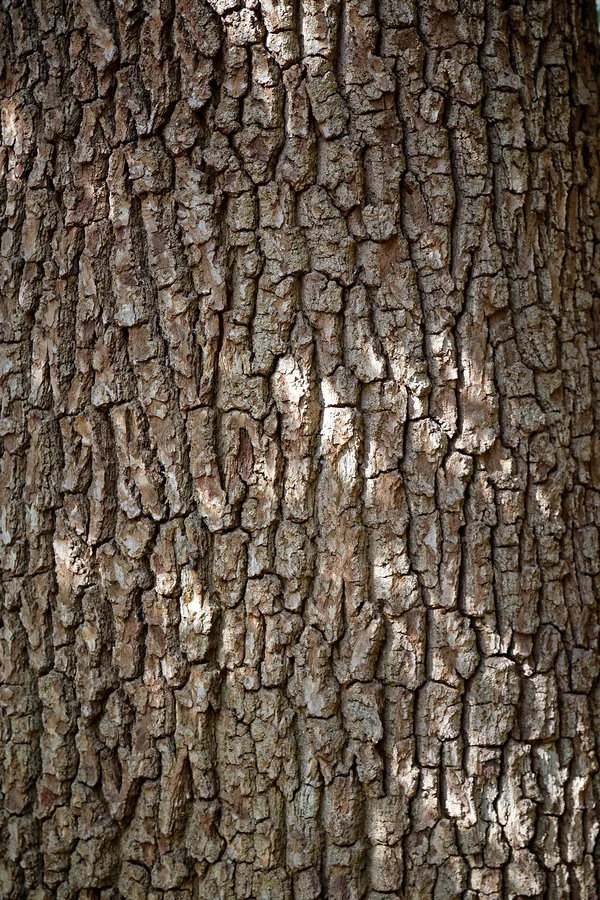
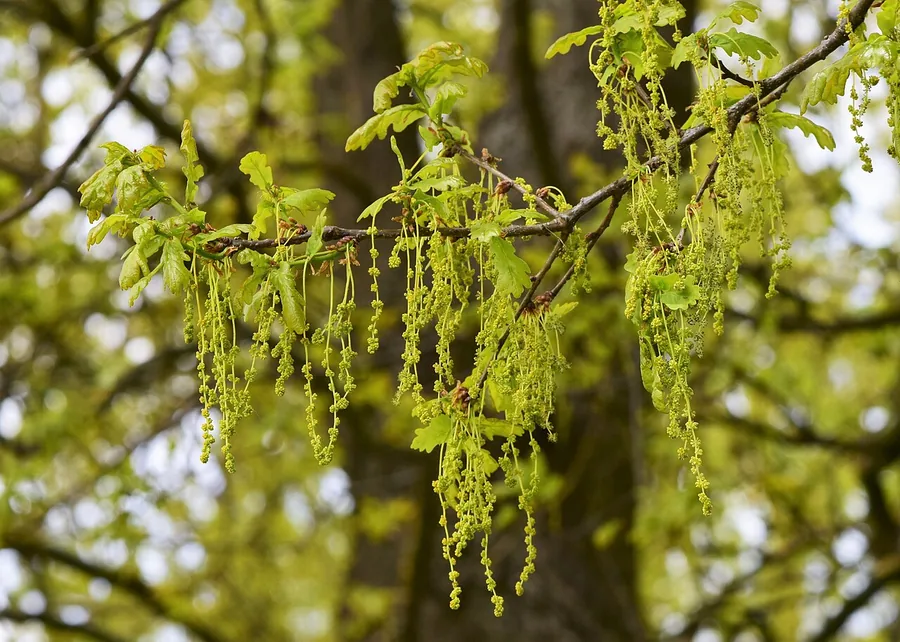
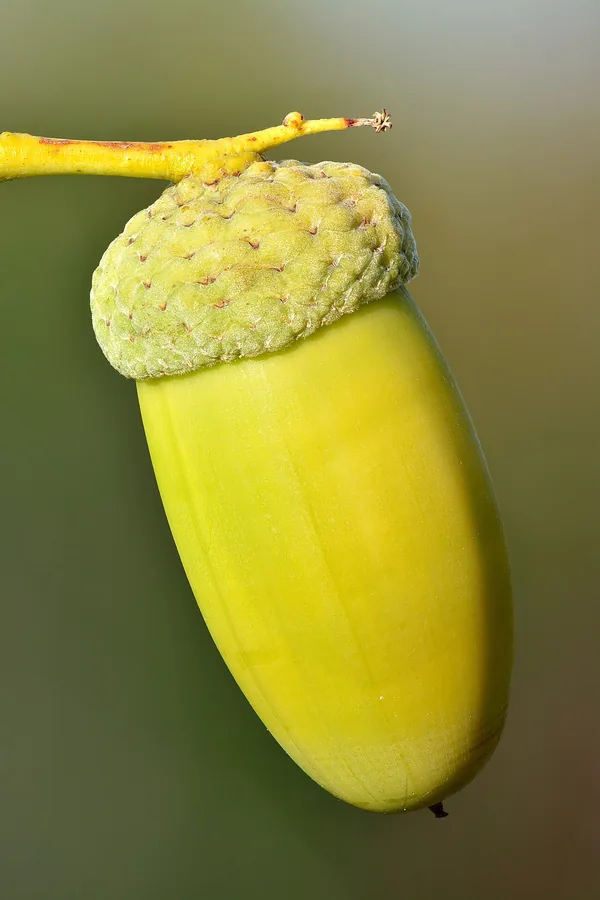
Close-up photo reference
Compare your tree against these to confirm the species and spot problems early.



English Oak quick reference
| USDA zones | 4 to 8 |
|---|---|
| Indoor / outdoor | Outdoor only; requires a genuine cold winter dormancy |
| Light | Full sun for short internodes and strong ramification |
| Water | Evenly moist but well-drained; tolerates neither drought nor bog |
| Soil | Free-draining mix (akadama/pumice/lava) with some organic content |
| Repot | Every 2 to 3 years young, 3 to 5 years once mature |
| Frost | Very hardy in ground; potted roots still need protection from hard freeze |
| Mature height | 40 to 70 ft (12 to 21 m) in the landscape [s3] |
| Growth rate | Slow [s4] [s5] |
| Season of interest | Deeply furrowed gray bark and long-stalked acorns in mid fall; very little fall color [s4] |
| Leaf reduction | Not rated by the sources we checked |
| #1 cause of death | Powdery mildew weakening the tree combined with poor culture |
Overview & Character
The English Oak is the classic oak of European folklore, fields and ancient forests, a massive, long-lived tree that can stand for centuries and develop enormous, characterful trunks. As bonsai it is admired for its rugged, deeply fissured bark, sturdy branching, distinctive lobed leaves and, on older specimens, the production of acorns. It conveys great age and strength even at modest size, which makes it a favorite for powerful, masculine styling.
Quercus robur is a robust, cold-hardy deciduous species that demands a proper winter rest. It is slower to refine than many bonsai subjects, and its leaves are naturally large, so leaf reduction and ramification take years of consistent work. In return it gives one of the most convincing "ancient tree" impressions available in bonsai.
Identification
Leaves are distinctively lobed with rounded lobes and, characteristically, two small ear-like lobes (auricles) at the base where the very short leaf stalk meets the blade. Bark is gray-brown and becomes deeply furrowed and rugged with age. The habit is broad and spreading with heavy, twisting branches. Flowers are green-yellow catkins in spring; the acorns are borne on long stalks (peduncles), which is why it is called the pedunculate oak.
Look-alikes & how to tell them apart: English Oak is most easily confused with Sessile Oak (Quercus petraea). The key distinction is reversed leaf and acorn stalks: English Oak has acorns on long stalks and leaves with almost no stalk (plus basal auricles), whereas Sessile Oak has stalkless acorns and clearly stalked leaves without auricles.
Climate & USDA Zone
English Oak grows across USDA zones 4 to 8 and is thoroughly cold-hardy, thriving in temperate climates with distinct seasons. It genuinely requires a cold winter dormancy to remain healthy and cannot be kept indoors. It tolerates a wide range of soils in the ground but, as bonsai, benefits from careful moisture management in a container.
Light
Grow in full sun. Strong light produces the shortest internodes, smallest leaves and densest ramification, and helps the tree resist powdery mildew, to which shaded, stagnant specimens are especially prone. In only the most extreme heat is light shading warranted; otherwise maximize sun exposure throughout the growing season.
Watering
Keep the soil evenly moist but well-drained. English Oak dislikes both extremes: prolonged drought scorches and drops leaves, while constant saturation rots the roots. Water thoroughly when the surface begins to dry, then allow slight drying before the next soak. In hot weather container trees may need daily watering; in cool or dormant periods, water sparingly.
Soil & Root Care
Use a free-draining bonsai substrate such as akadama, pumice and lava in roughly equal parts, with a portion of organic matter to retain moisture. English Oak forms strong roots and a taproot when young, so develop a good spreading nebari early. Repot in early spring just as buds begin to swell: every 2 to 3 years for developing trees, 3 to 5 years for mature ones. Prune roots gradually; oaks resent severe bare-rooting, so never remove more than about a third of the root mass in a single repot.
Feeding
Feed generously from spring through summer to build strength and ramification, using a balanced organic fertilizer. Some growers withhold feed during the first spring flush and begin once leaves harden, to help keep leaves small. Taper feeding in late summer to firm up growth, and stop through winter dormancy. Over-feeding, especially with high nitrogen, produces oversized leaves and long internodes.
Pruning & Styling
English Oak back-buds well on old wood, making it forgiving of structural pruning done in late winter to early spring. Build ramification by letting shoots extend, then cutting back to one or two leaves once hardened; pinching soft growth encourages finer twigging. The species suits informal upright, formal upright and broom styles that emphasize a powerful trunk and heavy branch structure. Wire young, flexible shoots; older branches are stiff and better shaped by clip-and-grow. Seal larger cuts, since oak heals slowly and is prone to dieback at wounds.
Seasonal Calendar
- Spring: Repot as buds swell; the main leaf flush emerges; begin feeding once leaves harden; do structural pruning before growth extends.
- Summer: Vigorous growth; water attentively, feed, and cut back extending shoots for ramification; stay alert for mildew and aphids.
- Autumn: Leaves color and drop; taper feeding, tidy structure, and clean up fallen leaves to reduce overwintering pests and spores.
- Winter: Fully dormant and leafless; withhold fertilizer, protect roots from hard freezes, and keep soil barely moist.
Care calendar by month
- Repot and root-prune: March
- Prune, wire and shape: February, June to July
- Feed: April to September
- Air-layer or take cuttings: May to June
Propagation & Cuttings
Ease: Easy from acorns. Best method: seed (acorns).
Quercus robur is grown from acorns: sow fresh in autumn as soon as they fall, before they dry, since viability is lost quickly; they need no long stratification and send down a strong taproot fast (root-prune or sow in a shallow tray early to build bonsai nebari). Cuttings and grafting are difficult and seldom used. For bonsai, start acorns early and grow on hard for trunk girth; oaks back-bud well from old wood, so heavy reduction is recoverable once established.
Pests
Watch for aphids on new growth, oak gall wasps, various caterpillars (including oak processionary and winter moth larvae), and occasionally scale. Aphids and caterpillars are the most common in cultivation; treat with insecticidal soap, targeted removal or an appropriate insecticide. Galls are usually cosmetic. Regular inspection of new shoots and leaf undersides keeps small problems from escalating.
Disease, Fungus & Infection
Powdery mildew is the signature problem of English Oak, coating leaves with white bloom in humid, still, shaded conditions and weakening the tree over time. Prevent it with full sun, good air movement and prompt treatment; fungicides or potassium-bicarbonate sprays help control outbreaks. Oaks are also subject to leaf-spot fungi and, in the ground, to more serious conditions like oak wilt and honey fungus. Good drainage, clean tools and airflow are the best defenses in container culture.
Most Common Causes of Death
1. Powdery mildew weakening the tree combined with poor culture. Maximize sun and airflow, treat outbreaks promptly, and avoid the shaded, stagnant conditions the fungus loves. 2. Root rot from waterlogged, poorly draining soil. Use a free-draining mix and let the surface dry slightly between thorough waterings. 3. Failure to provide winter dormancy or protection of potted roots. Give a real cold rest but shield container roots from hard, sustained freezes. 4. Over-aggressive root pruning. Remove no more than a third of the roots at once and repot in stages to avoid shock. 5. Summer drought in small containers. Monitor moisture daily in heat, as scorched, defoliated oaks can decline rapidly.
Sources
- Bonsai Empire: Oak care
- Wikipedia: Quercus robur
- NC State Extension Gardener Plant Toolbox: Quercus robur
- The Morton Arboretum: English oak
- Bonsai4me: Quercus species/ Oak Bonsai
Buy a English Oak bonsai
- All species
- Shop bonsai trees, tools & supplies
- How to Water a Bonsai (Without Killing It)
- Bonsai Soil: What to Buy, What to Mix, and What It Costs
- Why Bonsai Die After Repotting: Diagnosing a Failed Repot
- Pruning vs. Pinching: Shaping Your Bonsai
- Overwintering Bonsai: Cold-Season Care
- Indoor Bonsai Light and Humidity: Making a Windowsill Actually Work
- Root Rot on bonsai
- Winter / Frost Damage on bonsai
- Leaf Scorch / Sunburn on bonsai
- Powdery Mildew on bonsai
- Scale Insects on bonsai
- Cork Oak bonsai care
- American Elm bonsai care
- American Hornbeam bonsai care
- Amur Maple bonsai care
- Live Oak bonsai care
- Quaking Aspen bonsai care