Yellow Birch Bonsai Care
Betula alleghaniensis
1 Yellow Birch bonsai in stock, from $59.95 Shipped direct from our nursery partners, with a 48-hour live-arrival guarantee. See the trees
Zones 3a to 7b, outdoor only. The giant of North American birches, a slow. Most are lost to drying out.
Betulaceae (birch family) · Hardy deciduous broadleaf tree; the largest North American birch
Yellow Birch quick reference
| USDA zones | 3a–7b. Very cold-hardy; not recommended south of zone 7 |
|---|---|
| Indoor / outdoor | Outdoor only, year-round. It needs a real winter dormancy |
| Light | Full sun to part shade; more shade-tolerant than most birches |
| Water | Water-loving — keep it consistently moist and the roots cool |
| Soil | Moist, rich, acid to neutral (pH 5.0–7.0), free-draining loam |
| Repot | Every 2–3 years in spring as the buds extend; slower-growing, so less often than most birches |
| Frost | Excellent in the ground (zone 3). Potted roots are far less hardy |
| Mature height (as bonsai) | 18–24 m in the wild, exceptionally 30 m — the largest North American birch |
| Growth rate | Slow — markedly slower than Silver or Himalayan Birch |
| Season of interest | Yellow-bronze exfoliating bark, golden autumn colour, catkins in mid–late April, wintergreen-scented twigs |
| Leaf reduction | Not documented; leaves are 6–10 cm, larger than other birches we cover |
| #1 cause of death | Heat and drought stress, which historically let bronze birch borer finish weakened trees within 3–5 years |
Overview & Character
Yellow Birch is the giant of North American birches, a slow, long-lived tree of cool northern hardwood forests from the Great Lakes to the Appalachians. It is the source of birch syrup and, historically, of oil of wintergreen — scrape a twig and it smells unmistakably of it.
For bonsai it offers two things the more familiar birches do not: genuine bronze birch borer resistance, and unusual shade tolerance. It also asks for two things: cool roots and patience. This is a slow grower, so trunk development takes considerably longer than with Silver or Himalayan Birch.
An honest caveat about the evidence. Yellow Birch is barely documented as a bonsai subject — it does not appear among the birches conventionally used for the art, and we could find no dedicated bonsai literature for it at all. The botany and cultivation below are well sourced, including from the USDA Forest Service. The bonsai-specific technique is extrapolated from birch practice generally, and we have flagged that where it applies.
Identification
Bark — the clearest identifier: Yellow-bronze to silvery-gold, peeling in fine horizontal papery strips. On old trunks it becomes platy, red-brown and scaly. Never white.
Twigs — the second identifier: Scrape one and it smells of wintergreen. Betula pendula does not do this; among common birches only sweet birch (B. lenta) shares it.
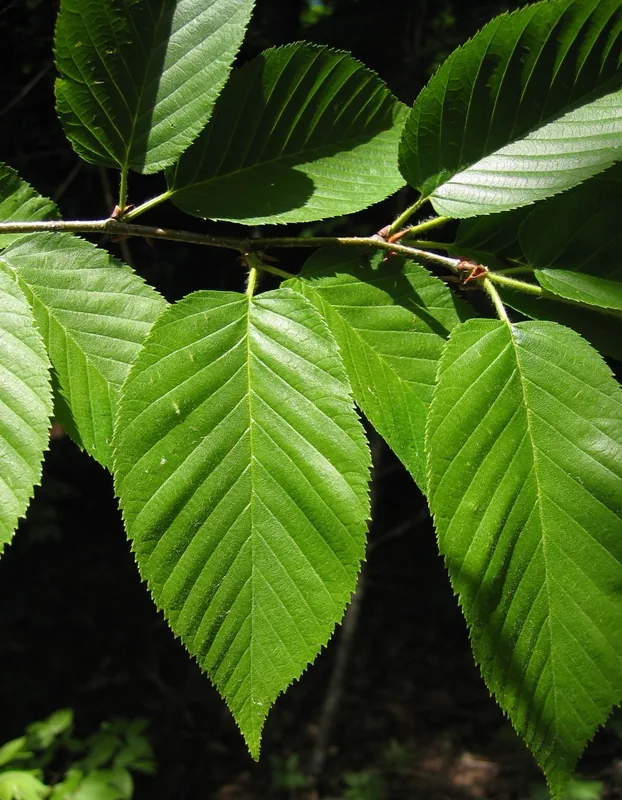
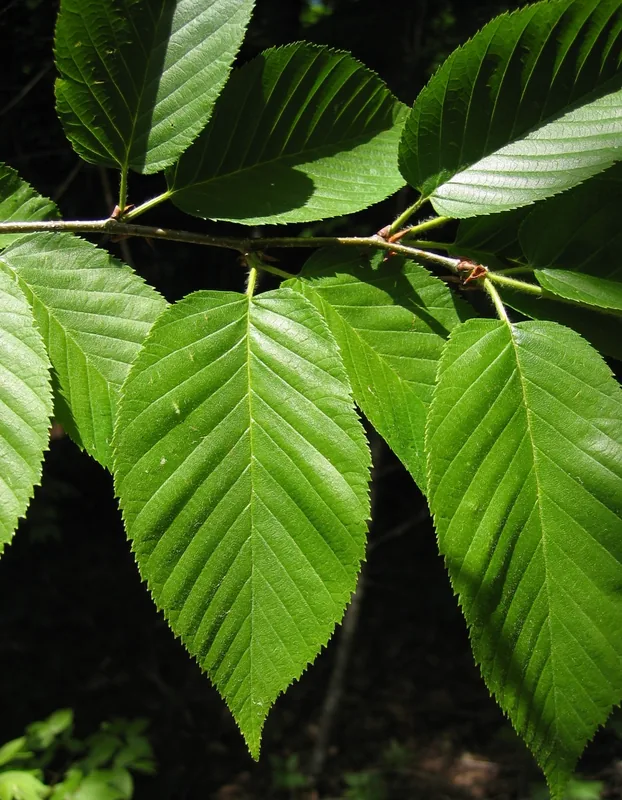
Foliage: Oblong to ovate, doubly toothed, 6–10 cm — larger than Silver or Himalayan Birch — with a slightly heart-shaped base.
Catkins: Wind-pollinated, opening mid to late April.
Habit: Pyramidal and dense when young, becoming a large rounded to irregular crown. A far bigger and longer-lived tree in nature than either B. pendula or B. utilis.
Climate & USDA Zone
Zones 3a–7b — hardier at the cold end than either of the other birches we cover, and correspondingly less tolerant of heat. It is a tree of cool, moist northern forests, and it is short-lived in hot or dry summer climates. NC State advises against planting it south of zone 7.
As always, the pot is the weak point. Birch roots are fine and shallow, and a bonsai container offers none of the insulation of open ground. Protect the root ball through hard freezes regardless of how cold-hardy the species is on paper.
Light
Full sun to part shade. This is the most shade-tolerant of the birches covered here — a genuine advantage if your growing space is not open on all sides — though autumn colour is best in full sun.
Watering
Consistently moist, and keep the roots cool.
Yellow Birch grows naturally in moist, well-drained upland soils and mountain ravines, and it is shallow-rooted. Do not let the rootball dry. Combined with its dislike of heat, the practical rule for a container specimen is: shade the pot, water often, and never let it bake.
Moist, though, not stagnant — in the wild it is windthrow-prone on badly drained sites, which tells you it wants moisture with air, not standing water.
Soil & Root Care
Moist, rich, free-draining loam. The documented soil pH range is 5.0 to 7.0 — acid to neutral, per the USDA Forest Service. It handles mild neutrality better than "acid-loving" would suggest, but performs best on the acid side.
Repot every two to three years in spring as the buds extend. Because this species is genuinely slow, you may find it needs repotting less often than that; go by how the roots fill the pot rather than the calendar. As with all birches, root work is safer just as growth begins than in deep dormancy.
Feeding
Moderate feeding through the growing season. A slow grower cannot use heavy feed, and excess simply accumulates in the pot.
Pruning & Styling
Never prune when the sap is running. NC State says it plainly for this species: do not prune in winter or spring when the sap is moving, because it will bleed. Yellow Birch is tapped commercially for syrup — which is about as direct a demonstration of spring sap pressure as you could ask for.
The safe window is after the spring flush hardens off, through to late summer.
Wound healing is poor, as with all birches. The Forest Service documents an extensive list of decay organisms that colonise birch through mechanical injuries — Graphium, Phialophora, Polyporus, Pholiota, Nectria and associated bacteria. Keep cuts small, seal them, and do not plan on large wounds closing cleanly.
Dieback: apply the same caution as other birches — off-season or over-hard pruning invites branch loss. We are extrapolating here from birch practice generally rather than from documented experience with this species, so work conservatively until you know how your own tree behaves.
Wiring: undocumented for this species. Its bark is thin and papery even at maturity, which argues for caution rather than confidence — guy wires over tight coils, and check often.
Propagation & Cuttings
Ease: Moderate from seed; cuttings undocumented.
Seed is the recommended route. In the wild it needs exposed mineral soil or rotting wood to germinate — leaf litter blocks establishment, which is worth knowing if you sow your own. We could not confirm whether it strikes reliably from cuttings.
Pests
Bronze birch borer — and here is the good news. The Pacific Northwest Pest Management Handbook rates Yellow Birch moderately susceptible, a full tier below Silver Birch and Himalayan Birch. North American birches co-evolved with the beetle and carry defences the Eurasian species lack.
That resistance is conditional on health. The Forest Service notes the borer can normally only complete its life cycle in dead or dying wood in weakened trees — and documents the historic "birch dieback" episode of 1932–1955 in eastern Canada and the north-eastern US, where drought and heat stress weakened yellow birches and the borer then killed them within three to five years. A healthy, cool-rooted, well-watered tree is fairly safe. A heat-stressed one is not.
Also: aphids, birch skeletonizer, stem canker. Leaf miner is reported to trouble this species less than other birches.
Disease, Fungus & Infection
Wound-associated decay fungi and bacteria, as above — birch readily admits rot through mechanical injury and frost cracks. Discula (Diaporthe) alleghaniensis causes a black sunken canker and shoot blight, usually only serious on already-stressed young plants.
Most Common Causes of Death
1. Heat and drought stress. The documented failure mode for this species, and the trigger for the historic dieback episodes. It is a cool-forest tree. 2. Bronze birch borer, secondary to the above. Genuinely resistant when healthy; killed within a few years once weakened. 3. Pruning while the sap runs. Heavy bleeding and dieback. 4. Decay through large wounds. Birch admits rot readily. 5. Unprotected roots in a winter pot. Zone 3 hardiness does not extend to a shallow container.
Seasonal Calendar
- Spring: Catkins mid to late April; bud burst; repot as buds extend. No pruning — sap is running.
- Summer: Main growth. Consistent moisture and cool roots are the priority; heat stress risk peaks. Safe pruning window after the flush hardens.
- Autumn: Golden foliage; seed matures. Stop pruning; reduce feeding.
- Winter: Dormant, bronze exfoliating bark on show. Protect the pot.
Toxicity, Safety & Handling
Birch sap contains xylitol, reported toxic to dogs in quantity. Birch pollen is a major spring allergen. No thorns or irritant sap. No species-specific toxicity data was found; treat it as equivalent to other birches.
Close-up photo reference
Compare your tree against these to confirm the species and spot problems early.

Sources
- Betula alleghaniensis — NC State Extension Gardener Plant Toolbox
- Betula alleghaniensis — Silvics of North America, USDA Forest Service
- Betula alleghaniensis — Wikipedia
- Birch (Betula) — Bronze birch borer — Pacific Northwest Pest Management Handbooks
Buy a Yellow Birch bonsai
- All species
- Shop bonsai trees, tools & supplies
- How to Water a Bonsai (Without Killing It)
- Bonsai Soil: What to Buy, What to Mix, and What It Costs
- Why Bonsai Die After Repotting: Diagnosing a Failed Repot
- Pruning vs. Pinching: Shaping Your Bonsai
- Overwintering Bonsai: Cold-Season Care
- Indoor Bonsai Light and Humidity: Making a Windowsill Actually Work
- Underwatering (Drought Stress) on bonsai
- Winter / Frost Damage on bonsai
- Aphids on bonsai
- Fungal Canker & Dieback on bonsai
- Overwatering on bonsai
- Himalayan Birch bonsai care
- Birch bonsai care
- American Beech bonsai care
- American Elm bonsai care