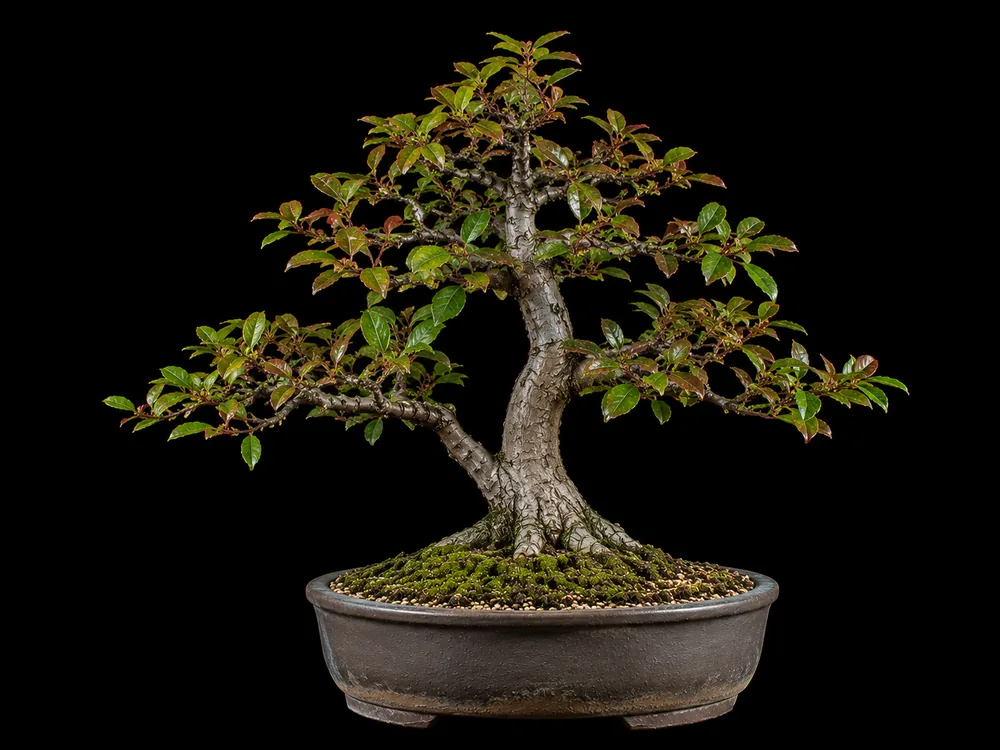
Tupelo (Black Gum) Bonsai Care
Nyssa sylvatica
Zones 4 to 9, outdoor. A North American deciduous tree celebrated for arguably the most spectacular autumn color of any tree. Most are lost to drying out.
Nyssaceae (tupelo family) · Deciduous broadleaf tree
Tupelo (Black Gum) quick reference
| USDA zones | 4–9 |
|---|---|
| Indoor / outdoor | Outdoor (deciduous; needs seasons and dormancy) |
| Light | Full sun (half-day minimum); part shade in hot climates |
| Water | Moist, even — tolerates wet; never bone-dry |
| Soil | Acidic, moisture-retentive, free-draining mix |
| Repot | Every 2–3 years, early spring (root-sensitive) |
| Frost | Hardy; protect potted roots in hard freeze |
| Mature height (as bonsai) | Tree to 25m in nature; bonsai commonly 30-60cm. |
| Growth rate | Slow to moderate. |
| Season of interest | Autumn for brilliant scarlet foliage. |
| Leaf reduction | Moderate; leaves reduce with trimming and defoliation. |
| #1 cause of death | Root disturbance/collection shock; drying out |
Overview & Character
The Black Tupelo is a North American deciduous tree celebrated for arguably the most spectacular autumn color of any tree — leaves turning brilliant scarlet, orange, gold, and deep purple, often on the same branch. It has glossy summer foliage, a naturally tidy, symmetrical, horizontally-branched habit, and rugged blocky bark with age.
It is a rewarding but challenging bonsai subject: it is one of the harder species to containerize, with a deep taproot and sparse feeder roots that make collection and repotting risky (often a multi-year process). Once established and kept moist, it is tough and tolerates even wet soils. Grow it for that unbeatable fall display.
Identification
Foliage: Glossy, alternate, obovate (spoon-shaped) leaves ~5–12 cm with smooth (entire) margins and a leathery texture; clustered toward shoot tips; turns vivid scarlet/orange/purple in autumn — the signature feature.
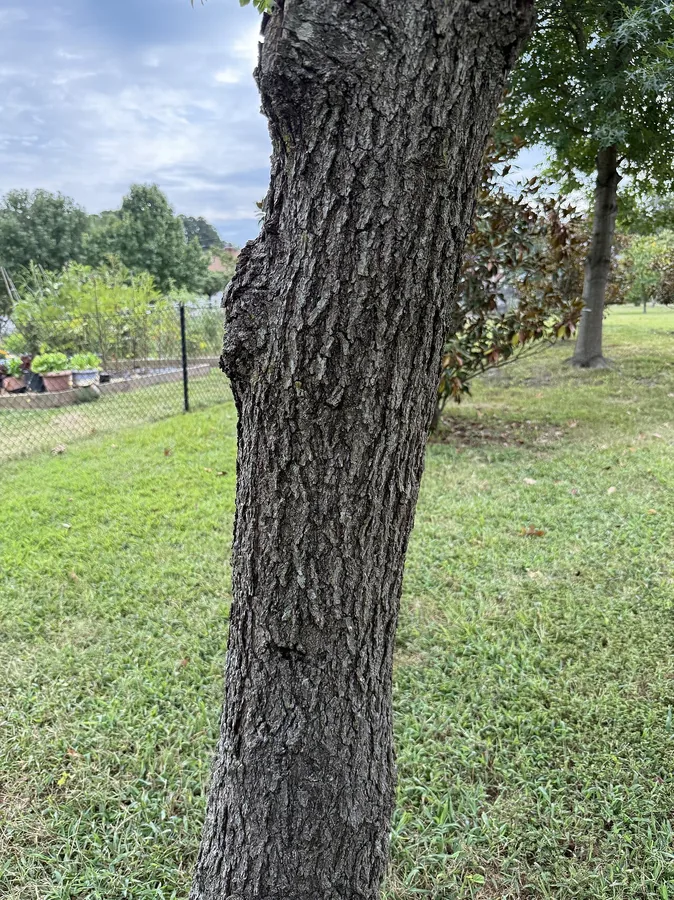
Bark & trunk: Grey-brown, becoming deeply furrowed into blocky, alligator-hide plates with age.
Growth habit / form: Naturally symmetrical with horizontal/slightly drooping branch tiers and a strong central leader; suits formal/informal upright and flat-top styles.
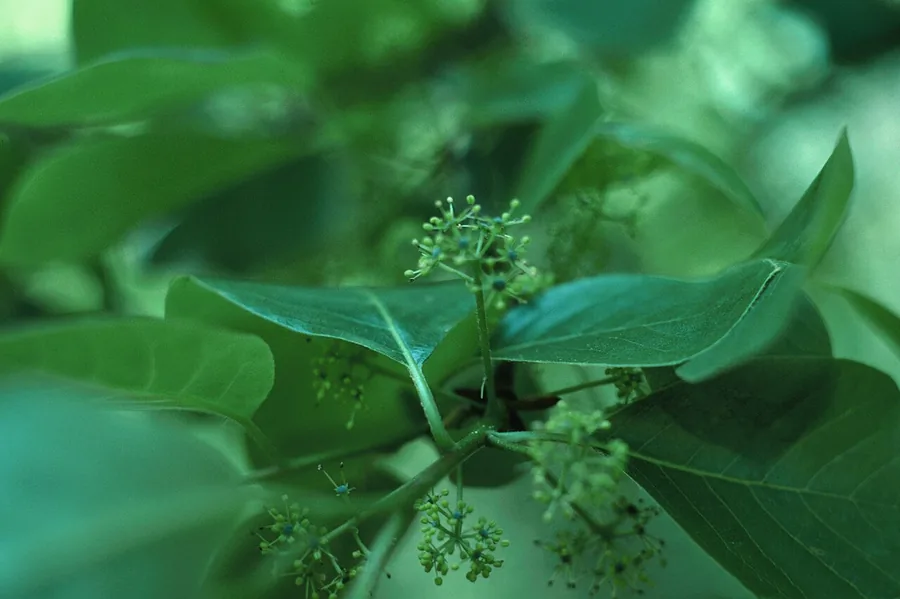
Flowers / fruit: Small greenish flowers (a notable nectar source for bees), followed by small blue-black sour drupes (often sparse on bonsai).
Look-alikes & how to tell them apart: The glossy entire-margined obovate leaves clustered at shoot tips plus blazing multicolored fall color are distinctive; persimmon (Diospyros) has similar leaf shape but different bark and orange fruit, and lacks tupelo's tiered horizontal branching.
Climate & USDA Zone
Hardy in USDA zones 4–9. Deciduous and dormancy-dependent, grown outdoors year-round; protect potted roots in hard freezes. It prefers acidic, moist soils and naturally grows in damp ground, so it tolerates wet conditions better than most.
Light
Full sun — more than half a day, which drives the best autumn color; in hot climates light afternoon shade is acceptable. Too little sun gives weak growth and muted fall color.
Watering
Keep moist and even — it tolerates wet soil but should never go bone-dry.
- A naturally wetland-edge tree, it likes consistent moisture and even tolerates briefly wet feet; water before the surface dries.
- Avoid prolonged stagnation in a pot nonetheless; a standard moisture-retentive deciduous mix with drainage is ideal.
- Reduce in dormancy but keep slightly moist.
Soil & Root Care
Soil: An acidic, moisture-retentive, free-draining bonsai mix (akadama with pumice/lava; avoid limey components).
Repotting:
- Frequency: every 2–3 years, early spring as buds swell.
- The species has a deep taproot and sparse feeder roots and resents disturbance — root-prune cautiously, develop a shallow fibrous root system gradually, and never bare-root a weak tree. Collected material often needs a 2–3 year recovery before potting on.
- Aftercare: keep moist, shaded, and sheltered while re-establishing.
Feeding
Feed through the growing season with a balanced (ideally acidic) fertilizer once growth is established; ease off late season. Don't feed freshly repotted, stressed, or dormant trees.
Pruning & Styling
- Minimal pruning by nature: its symmetrical habit needs little shaping; remove competing leaders and suckers to keep a strong central trunk and tidy tiers.
- Trim new growth to maintain pads; it back-buds adequately when healthy.
- Wiring: young shoots are workable; set the tiered, horizontal branch structure that suits the species.
- Suits formal/informal upright and flat-top styles. Above all, protect the roots — most failures are root-related, not top-related.
Propagation & Cuttings
Ease: Moderate–difficult. Best methods: seed; collected.
Nyssa sylvatica (black gum) grows from seed — clean the drupes and cold-moist stratify ~2–3 months before spring sowing; germination is fair. Cuttings root poorly and it resents root disturbance (a deep taproot), so it's tricky to transplant. It is sometimes collected young. For bonsai the glossy leaves and fiery scarlet autumn colour are the prize; start seedlings in deep containers or collect young, and establish the root system carefully before heavy work, as tupelo dislikes bare-rooting.
Pests
- Scale insects
- Aphids
- Leaf miners (cosmetic blotches)
- Tupelo leaf-spot caterpillars in some regions
Treat with horticultural oil, insecticidal soap, or appropriate systemics; catch infestations early.
Disease, Fungus & Infection
Generally healthy in good culture; main risks are cultural/root:
- Collection / repotting shock — the dominant failure, from its poor feeder-root system; work roots slowly.
- Root rot — only from genuine stagnation despite its wet tolerance.
- Leaf spot / rust — fungal spotting in damp, stagnant conditions; improve airflow.
Prevention: patient root development, even moisture, sun, and airflow.
Most Common Causes of Death
1. Root disturbance / collection shock. Deep taproot, sparse feeder roots — repot and collect cautiously over years. 2. Drying out. Keep consistently moist; it is a moisture-loving tree. 3. Bare-rooting or hard root work on a weak tree. Avoid; build a fibrous root pad gradually. 4. Deep shade. Weak growth and dull fall color; give full sun. 5. Unprotected potted roots in severe freezes. Hardy tree, but shelter the pot.
Seasonal Calendar
- Spring: Repot if due (cautious root work, as buds swell); leaves emerge; begin feeding; full sun.
- Summer: Full sun (light afternoon shade in heat); keep moist (tolerates wet); minimal pruning.
- Autumn: Spectacular scarlet/orange/purple color; taper feeding/water as it goes dormant.
- Winter: Dormant/leafless; set structure with wiring; keep slightly moist; protect potted roots.
Close-up photo reference
Compare your tree against these to confirm the species and spot problems early.
_Nyssa_sylvatica_bark_1.jpg)

Sources
Growing a Tupelo (Black Gum) bonsai
We don’t currently stock Tupelo (Black Gum) trees. If you already have one — or you are sourcing one elsewhere — these are the supplies its care depends on:
- Bonsai Decorative Crushed Shale Top of Soil Dressing — $4.95
- Bonsai Zen Garden Grooming Rake — $8.95
- Metal Impression Tags Package of 4 — $2.95
Browse all bonsai trees, tools and soil or find a species we stock that suits your conditions.
- All species
- Shop bonsai trees, tools & supplies
- How to Water a Bonsai (Without Killing It)
- Bonsai Soil: What to Buy, What to Mix, and What It Costs
- Why Bonsai Die After Repotting: Diagnosing a Failed Repot
- Pruning vs. Pinching: Shaping Your Bonsai
- Overwintering Bonsai: Cold-Season Care
- Indoor Bonsai Light and Humidity: Making a Windowsill Actually Work
- Root Rot on bonsai
- Underwatering (Drought Stress) on bonsai
- Winter / Frost Damage on bonsai
- Scale Insects on bonsai
- Aphids on bonsai
- American Beech bonsai care
- American Elm bonsai care
- American Hornbeam bonsai care
- Amur Maple bonsai care