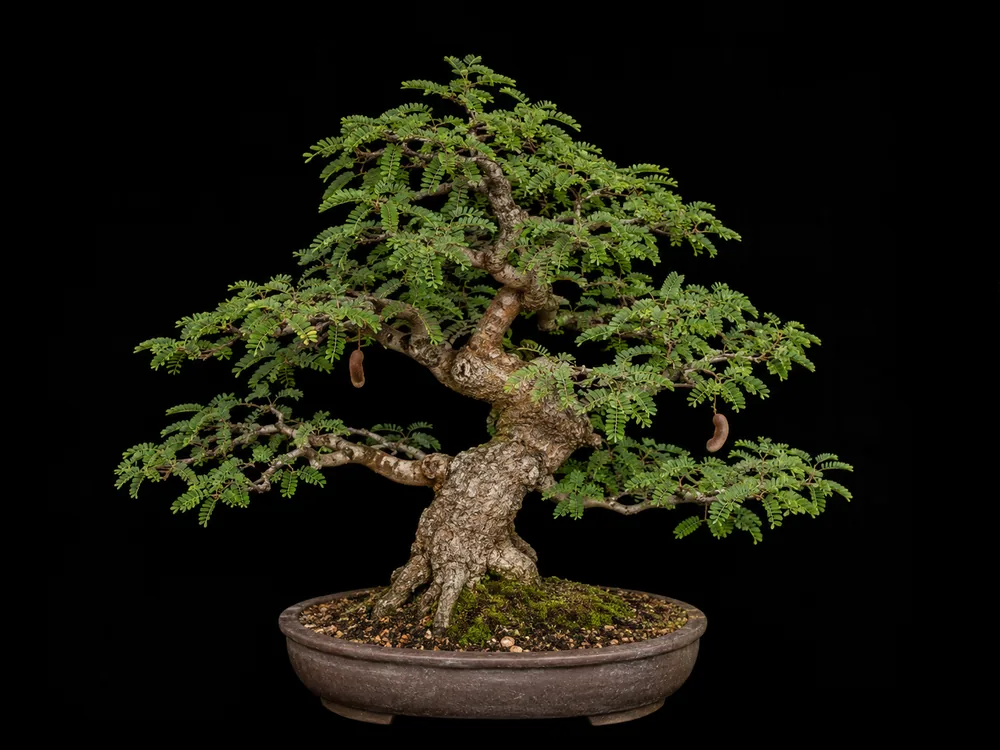
Tamarind Bonsai Care
Tamarindus indica
1 Tamarind bonsai in stock, from $125.95 Shipped direct from our nursery partners, with a 48-hour live-arrival guarantee. See the trees
Zones 10 to 11, indoor or out. A tropical legume tree grown as bonsai for its delicate, feathery pinnate foliage that folds. Most are lost to drying out.
Fabaceae (legume family) · Tropical evergreen broadleaf tree
Tamarind quick reference
| USDA zones | 10–11 (grow indoors / under glass in cooler zones) |
|---|---|
| Indoor / outdoor | Indoor-capable — outdoors in warmth, protected from frost |
| Light | Bright light — full sun; shield from harsh midday in heat |
| Water | Keep evenly moist — drops leaves if it dries out |
| Soil | Free-draining bonsai mix |
| Repot | Every 2–3 years, early spring |
| Frost | None — protect below ~50 °F / 10 °C |
| Mature height (as bonsai) | Tree to 25m in nature; bonsai commonly 30-60cm. |
| Growth rate | Slow to moderate (tropical). |
| Season of interest | Year-round fine feathery compound foliage. |
| Leaf reduction | Good; tiny leaflets stay delicate and small. |
| #1 cause of death | Cold damage; leaf drop from drying out; root rot |
Overview & Character
The Tamarind is a tropical legume tree grown as bonsai for its delicate, feathery pinnate foliage that folds at night, a quickly-gnarling characterful trunk, and overall fine texture. Native to Africa and long cultivated across the tropics for its tangy pods, it makes an elegant, distinctive indoor/tropical bonsai.
It wants warmth and bright light, even moisture, and protection from cold — it has no frost tolerance and drops its leaves if allowed to dry out. Branches are somewhat delicate, so shaping is done with care. Given a warm, sunny spot and steady water it is rewarding and develops an aged look relatively fast.
Identification
Foliage: Fine, even-pinnate compound leaves with many small oblong leaflets in pairs; bright green, feathery, and (a notable trait) the leaflets fold/close at night and in low light.
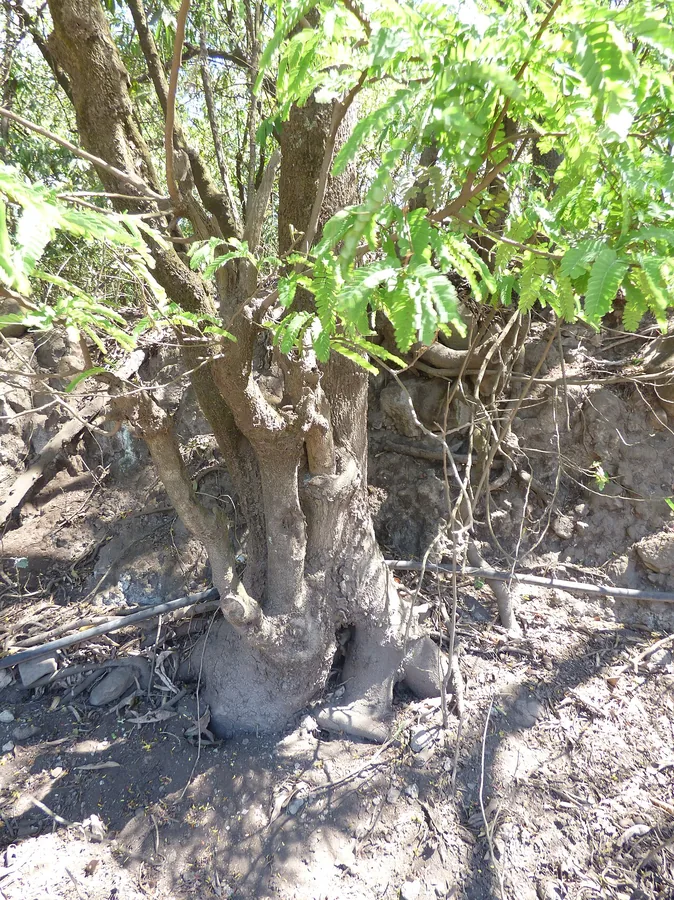
Bark & trunk: Greyish-brown, becoming rough, flaky, and fissured — a gnarled, aged look develops young.
Growth habit / form: Spreading tropical tree with delicate branches and dense fine foliage; suits informal upright and broom styles.
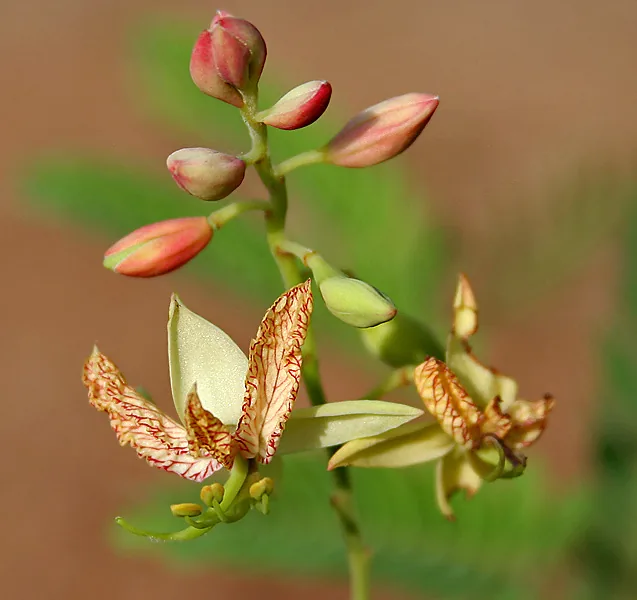
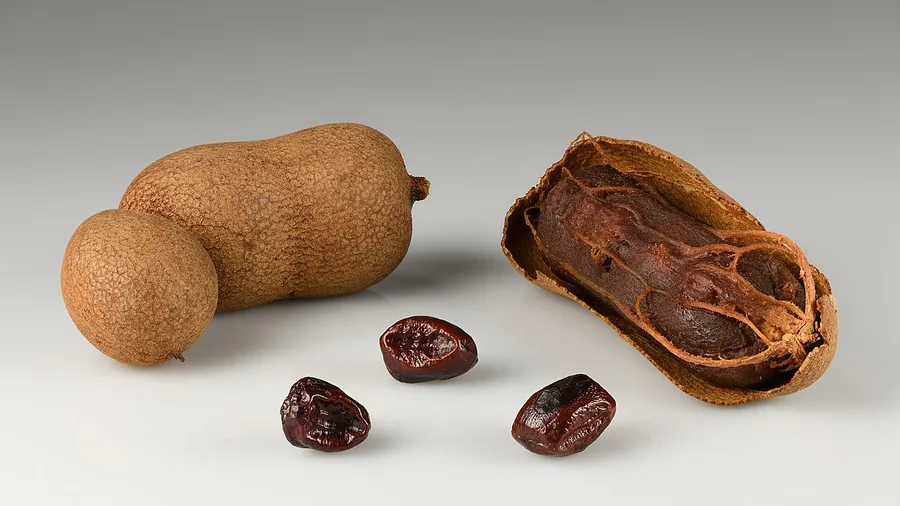
Flowers / fruit: Small pale-yellow flowers with red veining, followed by the familiar brown, knobbly, curved seed pods containing tangy pulp (rare on indoor bonsai).
Look-alikes & how to tell them apart: The night-folding even-pinnate leaflets plus tamarind pods are distinctive; superficially resembles other fine-leaved tropical legumes (e.g. Brazilian Rain Tree), but tamarind's leaflets are smaller and more numerous and it lacks the rain tree's thorns.
Climate & USDA Zone
Hardy outdoors only in frost-free USDA zones 10–11. Elsewhere it is an indoor/greenhouse bonsai, summered outdoors and brought in before nights fall below ~50 °F / 10 °C. It loves heat and bright light and has no frost tolerance.
Light
Bright light — full sun where possible. Indoors, give the brightest south-facing window (supplement with grow lights if needed); outdoors in summer, shield from the harshest midday sun in extreme heat to prevent leaf scorch. Weak light gives leggy, sparse growth.
Watering
Keep the soil evenly moist — it is sensitive to drying and drops its leaves when too dry.
- Water thoroughly when the top inch begins to dry; don't let it dry out fully.
- Avoid waterlogging — provide free drainage to prevent root rot.
- Indoors in winter heat, watch for drying; a humidity tray helps.
Soil & Root Care
Soil: A free-draining bonsai mix (akadama / pumice / lava).
Repotting:
- Frequency: every 2–3 years, early spring before new growth.
- Moderate root-pruning; keep it warm afterward.
- Aftercare: bright, warm, evenly moist, and sheltered while re-establishing.
Feeding
Feed every 2–4 weeks through the growing season with a balanced water-soluble fertilizer; suspend in the cool/dormant winter period. Don't feed freshly repotted or stressed trees.
Pruning & Styling
- Trimming: Prune regularly to build shape and ramification; it responds well to frequent trimming.
- Wiring: branches are delicate — wire young shoots carefully and remove wire promptly to avoid bite and breakage; much shaping is by directional pruning.
- Remove dead/crossing branches with clean tools.
- Suits informal upright and broom styles.
Propagation & Cuttings
Ease: Easy from seed. Best methods: seed; air-layering.
Tamarindus indica grows readily from seed — scarify or soak the hard seed in warm water and sow warm; germination is quick and strong. Cuttings root poorly, so air-layering is the vegetative route for choice forms. Keep everything tropical-warm and frost-free. For bonsai the delicate feathery leaves (which fold at night) and rugged bark are the appeal; seedlings are vigorous and develop a good trunk, and the plant back-buds and tolerates hard pruning once established in warmth.
Pests
- Aphids (on new growth)
- Scale insects
- Spider mites (hot, dry indoor air)
- Mealybugs
Treat with horticultural oil, insecticidal soap, or appropriate systemics; catch infestations early.
Disease, Fungus & Infection
Generally healthy in good culture; risks are mostly cultural:
- Root rot — from overwatering/poor drainage.
- Leaf drop — from drying out or cold (stress, not infection).
- Leaf spot — fungal spotting in damp, stagnant conditions; improve airflow.
Prevention: warmth, bright light, even moisture with free drainage, and airflow.
Most Common Causes of Death
1. Cold damage. No frost tolerance — protect below ~50 °F / 10 °C and avoid cold drafts. 2. Leaf drop from drying out. Keep evenly moist; it is drought-sensitive. 3. Root rot from overwatering. Keep moist but sharply drained. 4. Low light indoors. Leggy, weak growth; give the brightest spot. 5. Breaking delicate branches when wiring. Work gently; favor directional pruning.
Seasonal Calendar
- Spring: Repot if due (before new growth); resume feeding; bright light; move outdoors after frost.
- Summer: Bright sun (shield harsh midday in heat); keep evenly moist; feed; trim to ramify.
- Autumn: Taper feeding/water; bring indoors before nights drop below ~50 °F.
- Winter: Bright, warm window; keep lightly moist; humidity tray; minimal feeding.
Close-up photo reference
Compare your tree against these to confirm the species and spot problems early.
.jpg)

.jpg)
Sources
Buy a Tamarind bonsai
- All species
- Shop bonsai trees, tools & supplies
- How to Water a Bonsai (Without Killing It)
- Bonsai Soil: What to Buy, What to Mix, and What It Costs
- Why Bonsai Die After Repotting: Diagnosing a Failed Repot
- Pruning vs. Pinching: Shaping Your Bonsai
- Overwintering Bonsai: Cold-Season Care
- Indoor Bonsai Light and Humidity: Making a Windowsill Actually Work
- Root Rot on bonsai
- Overwatering on bonsai
- Underwatering (Drought Stress) on bonsai
- Winter / Frost Damage on bonsai
- Leaf Scorch / Sunburn on bonsai
- Bahama Berry bonsai care
- Black Olive bonsai care
- Calamondin Orange bonsai care
- Coffee bonsai care