
Quaking Aspen Bonsai Care
Populus tremuloides
Zones 1 to 6, outdoor only. One of the most widely distributed trees in North America. Most are lost to drying out.
Salicaceae (the willow and poplar family) · Deciduous broadleaf tree; outdoor bonsai
At a glance
- Type
- Deciduous
- Leaves
- Deciduous
- USDA zones
- 1 to 6
- Indoor or outdoor
- Outdoor
- Growth rate
- Fast
- Bonsai popularity
- Tier 3
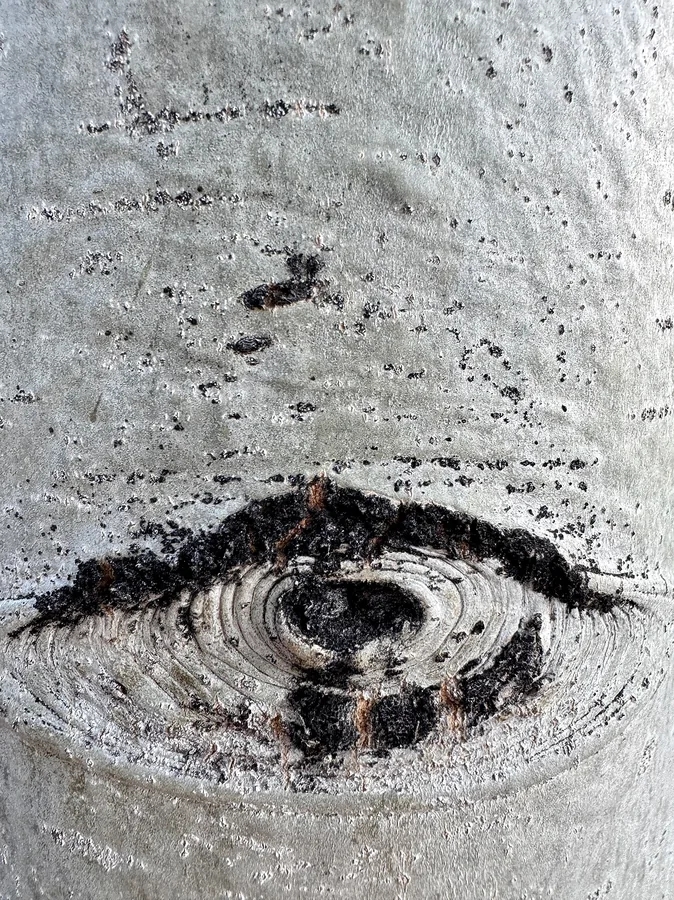
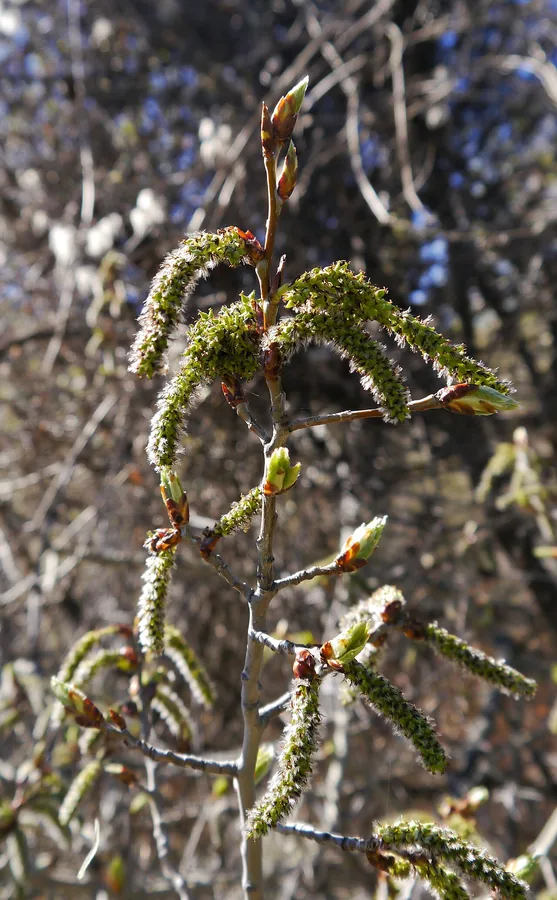
Close-up photo reference
Compare your tree against these to confirm the species and spot problems early.


Quaking Aspen quick reference
| USDA zones | 1 to 6 (a cold-climate tree) |
|---|---|
| Indoor / outdoor | Outdoor only; needs cold winters and struggles with heat |
| Light | Full sun; a strongly light-demanding pioneer species |
| Water | On the wet side; likes consistently moist soil, dislikes drying out |
| Soil | Moisture-retentive but still-draining mix; slightly higher organic content |
| Repot | Every 2 years young, 2 to 3 years once established |
| Frost | Extremely cold-hardy; protect potted roots but never overwinter warm |
| Mature height | 40 to 50 ft (12 to 15 m) in the landscape [s3] [s5] |
| Growth rate | Fast [s4] [s3] |
| Season of interest | Silver catkins in spring before leaves, gold to yellow fall color, pale smooth bark [s3] |
| Leaf reduction | Not rated by the sources we checked |
| #1 cause of death | Drying out; roots collapse quickly if the soil goes dry |
Overview & Character
The Quaking Aspen is one of the most widely distributed trees in North America, famous for its brilliant white-to-greenish bark and rounded leaves that flutter and "quake" in the slightest breeze on their flattened stalks. In autumn it turns a spectacular golden-yellow. As bonsai it offers a distinctive pale trunk, delicate trembling foliage and a slender, graceful habit that evokes cool northern woodlands and mountain slopes.
Aspen is a challenging but rewarding subject. It is a fast-growing pioneer species adapted to cold climates, and it does not enjoy heat, drought or confinement; it demands consistent moisture and cool conditions. It also suckers vigorously from the roots (in the wild, aspen clones form enormous connected colonies), a trait that can be used to propagate new trees but must be managed in a pot.
Identification
Leaves are nearly round with finely toothed margins and a pointed tip, carried on long, flattened stalks that let them tremble in the wind; they are bright green in summer and clear golden-yellow in autumn. Bark is smooth, greenish-white to chalky white with dark scars and horizontal marks, becoming darker and furrowed at the base of old trees. The habit is slender and upright. Flowers are drooping catkins in early spring before the leaves; the species is dioecious (separate male and female trees).
Look-alikes & how to tell them apart: Quaking Aspen is close to Bigtooth Aspen (Populus grandidentata), which has larger, coarser teeth on its leaves and grayer bark; Quaking Aspen has small, fine teeth and whiter bark. It can also resemble white birches (Betula) at a glance because of the pale bark, but birches have peeling, papery bark and pointed, sharply toothed leaves on round (not flattened) stalks that do not tremble the same way.
Climate & USDA Zone
Quaking Aspen is a cold-climate specialist, hardy across roughly USDA zones 1 to 6, and one of the most cold-tolerant broadleaf trees in existence. It requires a genuine, sustained cold winter dormancy and generally struggles in hot summers and warm-winter regions. It is strictly an outdoor tree and is not suitable for warm or subtropical climates or for indoor culture.
Light
Grow in full sun. Aspen is a classic pioneer species that colonizes open ground and is intolerant of shade; it needs strong light for healthy, compact growth and good bark color. In very hot climates some afternoon shade can reduce heat stress, but the underlying issue in warm regions is temperature and moisture rather than light itself.
Watering
Aspen sits firmly on the wet side of the spectrum. It naturally grows in moist soils and near water, and container specimens must be kept consistently moist, never allowed to dry out. Even a single severe drying can cause rapid root dieback and leaf loss. Water thoroughly and often, especially in summer, while still ensuring the pot drains so roots are not permanently sitting in stagnant water.
Soil & Root Care
Use a substrate that retains moisture well while still draining: a mix with a somewhat higher organic fraction than typical helps hold water, but must not become waterlogged and airless. Aspen roots are vigorous and quick-growing and will produce suckers. Repot in early spring as buds swell, every 2 years for young trees and every 2 to 3 years once established. Root-prune moderately, removing no more than about a third at a time, and remove unwanted suckers to keep energy in the main tree.
Feeding
Feed through the growing season to support this fast grower, using a balanced fertilizer from spring after growth begins into late summer. Because aspen grows rapidly, avoid excessive nitrogen that produces oversized leaves and long internodes; steady, moderate feeding gives better proportion. Stop feeding well before dormancy so growth firms up for winter.
Pruning & Styling
Aspen grows quickly and back-buds readily, so it tolerates and even needs regular pruning. Do structural pruning in late winter before the buds move. Cut back extending shoots through the season to build a fine, twiggy canopy and encourage back-budding. Its natural form lends itself to slender informal upright and, very effectively, to group or forest plantings that recreate a stand of trembling aspen with pale trunks. Wire while shoots are young and flexible; older wood is more brittle. Manage suckers, and seal larger cuts, as poplars can be prone to dieback and rot at wounds.
Seasonal Calendar
- Spring: Repot as buds swell; catkins and then leaves emerge; begin feeding once growth starts and do structural pruning before the flush.
- Summer: Rapid growth; water frequently and never let the soil dry; feed moderately, cut back shoots, and watch for aphids, mites and borers.
- Autumn: Foliage turns brilliant gold and drops; taper feeding, tidy structure, and remove fallen leaves to reduce overwintering pests.
- Winter: Fully dormant and leafless; needs a cold rest but protect potted roots from desiccation and hard freezes; keep soil from fully drying.
Care calendar by month
- Repot and root-prune: March
- Prune, wire and shape: February, June to July
- Feed: April to September
- Air-layer or take cuttings: May to June
Propagation & Cuttings
Ease: Easy vegetatively. Best methods: root cuttings/suckers; softwood cuttings.
Populus tremuloides spreads by root suckers in the wild, so the easiest propagation is root cuttings or lifting suckers in late winter/early spring; they sprout vigorously. Softwood cuttings root at moderate rates; hardwood cuttings of aspen (unlike many poplars) are less reliable. Seed is tiny, short-lived, and must be sown fresh immediately. For bonsai the white bark and fluttering leaves are the appeal; sucker- or cutting-grown plants develop fast, though aspen is short-lived and prone to dieback, so keep it vigorous.
Pests
Aspen is prone to aphids, poplar and willow borers, leaf beetles, tent caterpillars and other defoliators, and spider mites in hot, dry spells. Aphids and caterpillars are the most frequently seen in cultivation and are controlled with insecticidal soap, hand-removal or an appropriate insecticide. Borers are more serious because they tunnel into wood; keep the tree vigorous and inspect the trunk and branches for entry holes and frass.
Disease, Fungus & Infection
Poplars and aspens are notably susceptible to fungal problems, including various leaf spots, rusts, and, most importantly, canker diseases such as Cytospora canker that cause sunken lesions and branch dieback. They can also suffer from root and crown rots in waterlogged soil. Keep the tree healthy and unstressed, provide good air circulation, avoid wounding, use clean tools, and prune out any cankered or dead wood promptly, since stressed aspens are far more vulnerable to infection.
Most Common Causes of Death
1. Drying out; roots collapse quickly if the soil goes dry. Keep the soil consistently moist, water frequently in summer, and never let a container aspen dry out. 2. Heat stress in warm climates. Aspen is a cold-climate tree; provide cool conditions, afternoon shade in heat, and avoid warm-winter regions entirely. 3. Canker and dieback from stress or wounds. Keep the tree vigorous, use clean tools, seal cuts, and remove diseased wood quickly. 4. Root or crown rot from stagnant, airless soil. Keep soil moist but still draining; do not let the pot sit in standing water. 5. Borers and untreated defoliating pests. Maintain vigor and inspect trunk and foliage regularly, treating infestations early.
Sources
- Bonsai Empire: tree species care guides
- Wikipedia: Populus tremuloides
- NC State Extension Plant Toolbox: Populus tremuloides
- USDA Forest Service, Silvics of North America: Populus tremuloides Michx. Quaking Aspen (D. A. Perala)
- USDA Forest Service, Fire Effects Information System: Populus tremuloides
Growing a Quaking Aspen bonsai
We don’t currently stock Quaking Aspen trees. If you already have one, or you are sourcing one elsewhere, these are the supplies its care depends on:
- Bonsai Decorative Crushed Shale Top of Soil Dressing, $4.95
- Bonsai Zen Garden Grooming Rake, $8.95
- Metal Impression Tags Package of 4, $2.95
Browse all bonsai trees, tools and soil or find a species we stock that suits your conditions.
- All species
- Shop bonsai trees, tools & supplies
- How to Water a Bonsai (Without Killing It)
- Bonsai Soil: What to Buy, What to Mix, and What It Costs
- Why Bonsai Die After Repotting: Diagnosing a Failed Repot
- Pruning vs. Pinching: Shaping Your Bonsai
- Overwintering Bonsai: Cold-Season Care
- Indoor Bonsai Light and Humidity: Making a Windowsill Actually Work
- Root Rot on bonsai
- Underwatering (Drought Stress) on bonsai
- Winter / Frost Damage on bonsai
- Spider Mites on bonsai
- Aphids on bonsai
- American Beech bonsai care
- American Elm bonsai care
- American Hornbeam bonsai care
- Amur Maple bonsai care