
Lilac Bonsai Care
Syringa vulgaris
Zones 3 to 7, outdoor. Grown for one glorious, unmistakable feature. Most are lost to overwatering.
Oleaceae (olive family) · Deciduous broadleaf shrub or small tree
Lilac quick reference
| USDA zones | 3 to 7 |
|---|---|
| Indoor / outdoor | Outdoor: a cold-climate shrub that needs a hard winter chill to bloom |
| Light | Full sun: at least 6 hours of direct sun for reliable flowering |
| Water | Evenly moist but well-drained: dislikes drought and dislikes soggy roots |
| Soil | Free-draining, neutral to slightly alkaline mix; avoid acidic media |
| Repot | Every 2 to 3 years in early spring |
| Frost | Excellent: wood hardy to about -35 °C (-31 °F); requires winter chilling |
| Mature height | 4-8m wild; 25-60cm as bonsai |
| Growth rate | Moderate; vigorous suckering |
| Season of interest | Fragrant purple spring flowers are the highlight |
| Leaf reduction | Leaves reduce moderately with pruning |
| #1 cause of death | Root rot from wet, poorly drained soil |
Overview & Character
The common lilac is grown for one glorious, unmistakable feature: dense conical trusses (panicles) of intensely fragrant flowers in late spring, in the classic lilac-purple as well as white, blue, pink and deep violet. As bonsai it offers rugged, deeply furrowed old bark, gnarled trunks, and a heavy spring bloom that fills the air with scent, few flowering species are as evocative. Lilacs are extremely cold-hardy and tough, tolerate hard rejuvenation pruning (old shrubs can be cut nearly to the ground and regrow), and back-bud freely from old wood, giving the artist plenty of latitude to rebuild structure.
The trade-offs are real: lilac leaves are relatively large and coarse and resist strong reduction, so lilac bonsai lean toward larger sizes where the flowers and bark, not fine ramification, carry the design. It demands full sun and a genuine cold winter to set flower buds; no chill, no bloom. The care keys are sharp drainage (it hates wet feet), neutral-to-alkaline soil, abundant sun, and steady but not soggy moisture.
Identification
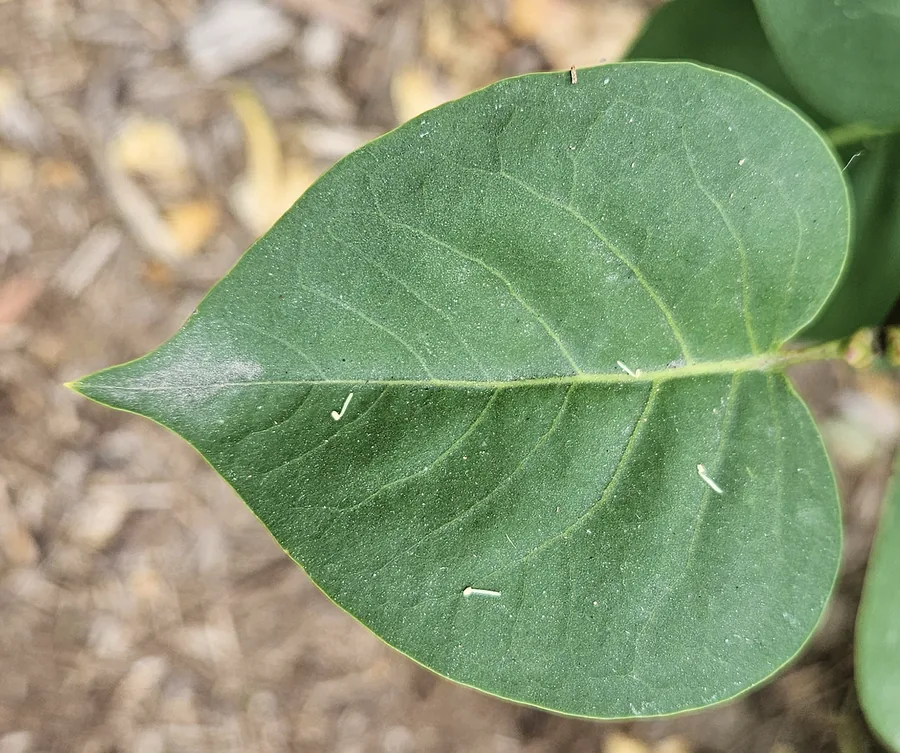
Foliage: Opposite, heart-shaped to broadly oval leaves 5 to 12 cm long with smooth (untoothed) margins, a pointed tip, and a heart-shaped base, mid-to-gray-green and somewhat leathery. Autumn color is muted, usually little more than yellow-green to brown.
Bark & trunk: Gray-brown bark that becomes deeply furrowed, ridged and shreddy with age, giving old lilac trunks a wonderfully aged, craggy appearance prized in bonsai.
Growth habit / form: A suckering, multi-stemmed upright shrub or small tree; left alone it forms a dense thicket, so sucker management is central to keeping a defined trunk line.
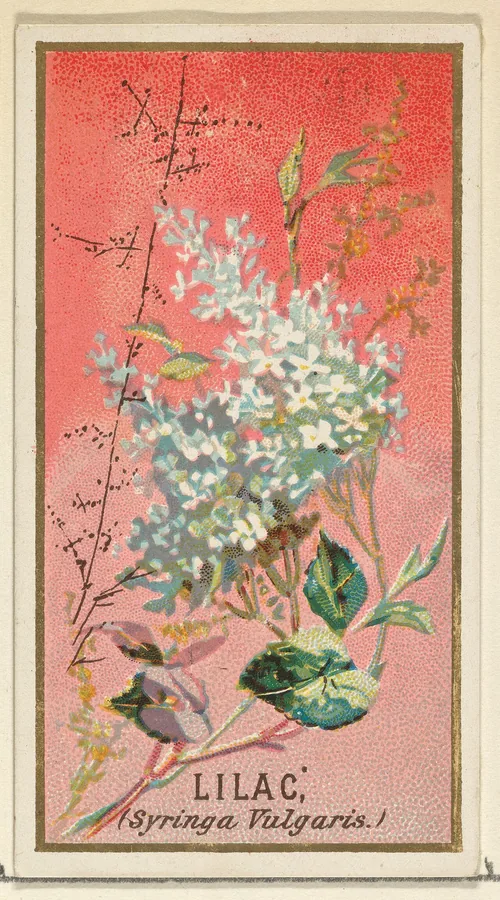
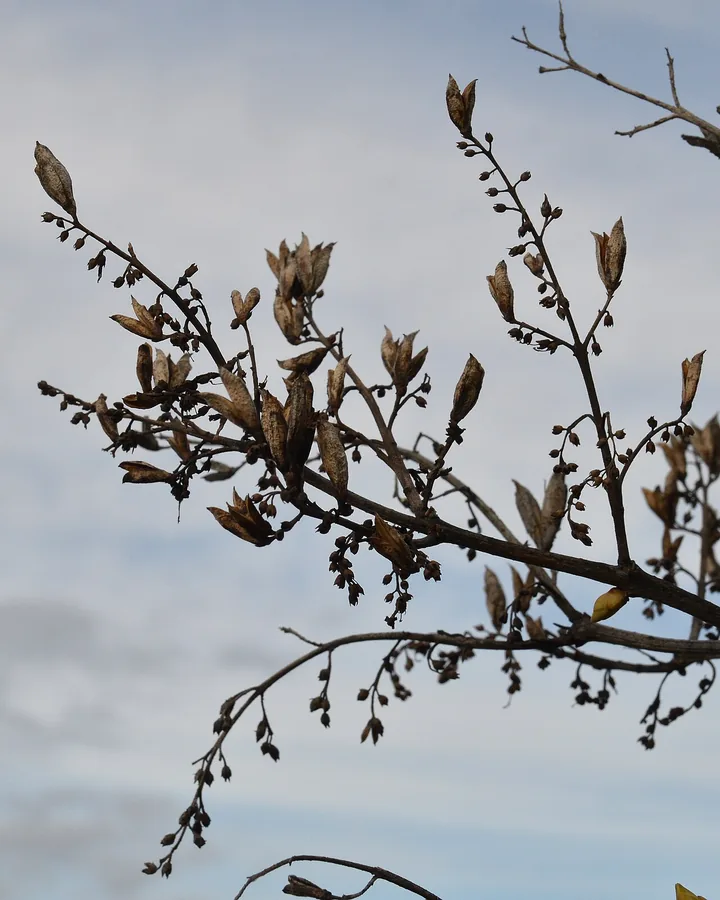
Flowers / fruit: Large, pyramidal panicles of small, four-lobed, tubular, powerfully fragrant flowers in mid-to-late spring, in lilac-purple, white, blue, pink or magenta. Fruit is a small, dry, brown two-valved capsule.
Look-alikes & how to tell them apart: The dwarf Korean lilac (Syringa meyeri 'Palibin', often grown as bonsai for its smaller leaves) is distinguished by its much smaller, elliptical leaves and more compact habit. The privet (Ligustrum), a fellow Oleaceae, can superficially resemble a non-flowering lilac but has alternate-to-opposite glossy leaves and produces black berries rather than lilac's dry capsules.
Climate & USDA Zone
An exceptionally cold-hardy species suited to USDA zones 3 to 7, with the wood surviving to about -35 °C (-31 °F). Crucially, lilac requires a period of winter cold (vernalization), several weeks below roughly 0 to 7 °C (32 to 45 °F), to initiate flower buds; without a proper chill it will not bloom, which rules out mild-winter climates and indoor culture. It must live outdoors year-round. It struggles in hot, humid summers, where it becomes prone to mildew. Overwinter it outdoors in an unheated but frost-buffered position, protecting the potted root ball from the deepest freezes while still exposing it to the winter chill it needs.
Light
Grow in full sun, at least six hours of direct sunlight daily, for strong, reliable flowering.
Lilac is a sun-lover; in shade it grows leggy, blooms poorly or not at all, and becomes markedly more susceptible to powdery mildew. An open, airy, fully sunny position is essential both for flowers and for keeping the foliage disease-free.
Watering
Keep evenly moist while in active growth, but ensure sharp drainage; lilac hates sitting in wet soil.
- Water when the surface begins to dry; aim for moist-but-never-soggy roots.
- Increase in summer heat and while flowering, when water demand peaks.
- Never leave the pot standing in water; waterlogged, airless soil quickly rots lilac roots.
- Reduce watering in autumn and keep only barely moist through winter dormancy.
Soil & Root Care
Soil: A very free-draining bonsai mix that leans neutral to slightly alkaline, for example akadama, pumice and lava with a little added lime or crushed grit; avoid acidic components such as kanuma, as lilac prefers a near-neutral to alkaline pH.
Repotting:
- Repot every 2 to 3 years while developing; older trees every 3 to 4 years.
- Timing: early spring as buds swell, or immediately after flowering if you prefer to preserve the bloom.
- Root-work tolerance: good; lilac roots strongly and tolerates moderate root pruning; also remove unwanted basal suckers at this time.
- Aftercare: keep bright but sheltered, water carefully to avoid saturation, and resume feeding after 3 to 4 weeks once new roots establish.
Feeding
Feed with a balanced organic fertilizer from spring once growth hardens, then shift to a lower-nitrogen, higher-phosphorus/potassium feed in summer to encourage the following spring's flower buds. Lilac appreciates a slightly alkaline soil, so an occasional light dressing of lime or bone meal suits it and supports blooming. Stop feeding once the tree enters dormancy. As with most flowering species, too much nitrogen drives leafy growth at the expense of flowers, so keep late-season feeding lean on nitrogen.
Pruning & Styling
- Suited to informal upright, multi-trunk and clump styles, and to larger bonsai sizes; lilac's coarse leaves make it a poor choice for delicate shohin.
- Prune structurally right after flowering, because next spring's flower buds form on the current season's growth over summer; pruning in late summer, autumn or winter removes those buds and sacrifices the bloom.
- Deadhead spent flower panicles promptly to redirect energy into next year's buds rather than seed.
- Remove basal suckers routinely to maintain a clear trunk, unless you are deliberately developing a multi-trunk clump.
- Lilac back-buds readily on old wood, so it recovers well from hard rejuvenation cuts made to rebuild an overgrown structure.
Propagation & Cuttings
Ease: Moderate. Best methods: softwood cuttings; suckers; grafting.
Syringa vulgaris roots from softwood cuttings taken in late spring just after flowering, under mist with IBA; timing is critical and success is moderate. It suckers freely (on its own roots), so lifting rooted suckers is easy and reliable; grafted plants sucker with rootstock, so prefer own-root stock. Seed germinates after cold stratification but won't come true. For bonsai, sucker division or softwood cuttings of a good clone keep the flower color; lilac back-buds and tolerates hard renewal pruning.
Pests
- **Lilac borer (Podosesia syringae):** a clearwing-moth larva that bores into stems and lower trunk, causing wilting and dieback of whole branches; prune out and destroy infested wood and treat trunks preventively where borers are known.
- **Oystershell scale (Lepidosaphes ulmi):** small mussel-shaped scales encrust stems and weaken the plant; treat with horticultural oil, targeting crawlers.
- **Lilac leaf miner (Caloptilia syringella):** larvae mine and then roll leaves, browning the foliage; remove affected leaves and treat if severe.
- Spider mites: stipple and bronze leaves in hot, dry weather; raise humidity and apply a miticide.
Disease, Fungus & Infection
- **Powdery mildew (Erysiphe syringae / Microsphaera):** by far lilac's most common problem, a white powdery film on the leaves in warm, humid, still air; largely cosmetic but disfiguring, controlled by full sun, good airflow, and fungicide if needed.
- **Bacterial blight (Pseudomonas syringae):** blackened, water-soaked shoots and blossom blight in cool wet springs; prune out infected material well below symptoms and avoid overhead watering.
- Phytophthora root and crown rot: in wet, poorly drained soil the roots and crown rot and the plant collapses; the fix is prevention through sharp drainage.
Prevention: grow in full sun with excellent air circulation, keep foliage dry, ensure very sharp drainage, and clean up fallen leaves and prunings; this keeps mildew and blight to a minimum.
Most Common Causes of Death
1. Root rot from wet, poorly drained soil: the number-one killer; lilac roots suffocate and rot in soggy media, so a sharply draining mix and disciplined watering are essential. 2. No winter chill (kept too warm or indoors): without vernalization it never blooms and slowly declines; it must overwinter genuinely cold, outdoors. 3. Lilac borer infestation: borers tunnel through stems and can kill major limbs or the whole plant; cut out and destroy infested wood promptly. 4. Frozen roots in a shallow pot: although the wood is extremely hardy, potted roots still need protection from the deepest freezes. 5. Loss of flowering from mistimed pruning: not fatal to the tree, but it defeats the purpose; prune only right after flowering to preserve next year's buds.
Seasonal Calendar
- Spring: Repot as buds swell; enjoy the fragrant bloom; do structural pruning right after flowering; deadhead spent panicles; begin feeding as leaves harden.
- Summer: Water evenly with sharp drainage; watch for powdery mildew and borers; keep in full sun and airflow; feed low-nitrogen to set flower buds.
- Autumn: Reduce watering as leaves fall; remove basal suckers; clear fallen leaves; do NOT prune, to preserve next spring's flower buds.
- Winter: Fully dormant and taking its required cold; protect potted roots from the deepest freezes; keep soil barely moist.
Close-up photo reference
Compare your tree against these to confirm the species and spot problems early.

,_from_the_Flowers_series_for_Old_Judge_Cigarettes_MET_DP822000.jpg)
_-_Oslo,_Norway_2021-03-25_(06).jpg)
Sources
- Wikipedia: *Syringa vulgaris*
- Missouri Botanical Garden: *Syringa vulgaris*
- Royal Horticultural Society: *Syringa vulgaris*
Growing a Lilac bonsai
We don’t currently stock Lilac trees. If you already have one — or you are sourcing one elsewhere — these are the supplies its care depends on:
- Bonsai Decorative Crushed Shale Top of Soil Dressing — $4.95
- Bonsai Zen Garden Grooming Rake — $8.95
- Metal Impression Tags Package of 4 — $2.95
Browse all bonsai trees, tools and soil or find a species we stock that suits your conditions.
- All species
- Shop bonsai trees, tools & supplies
- How to Water a Bonsai (Without Killing It)
- Bonsai Soil: What to Buy, What to Mix, and What It Costs
- Why Bonsai Die After Repotting: Diagnosing a Failed Repot
- Pruning vs. Pinching: Shaping Your Bonsai
- Overwintering Bonsai: Cold-Season Care
- Indoor Bonsai Light and Humidity: Making a Windowsill Actually Work
- Root Rot on bonsai
- Winter / Frost Damage on bonsai
- Powdery Mildew on bonsai
- Spider Mites on bonsai
- Scale Insects on bonsai
- Amur Maple bonsai care
- Beautyberry bonsai care
- Common Hackberry bonsai care
- Cotoneaster bonsai care