
Kingsville Boxwood Bonsai Care
Buxus microphylla
2 Kingsville Boxwood bonsai in stock, from $76.95 Shipped direct from our nursery partners, with a 48-hour live-arrival guarantee. See the trees
Zones 6 to 9. One of the most prized dwarf shrubs. Most are lost to overwatering.
Buxaceae (the boxwood family) · Evergreen broadleaf shrub
At a glance
- Type
- Broadleaf evergreen
- Leaves
- Evergreen
- USDA zones
- 6 to 9
- Indoor or outdoor
- Outdoor
- Growth rate
- Slow
- Bonsai popularity
- Tier 1
Close-up photo reference
Compare your tree against these to confirm the species and spot problems early.
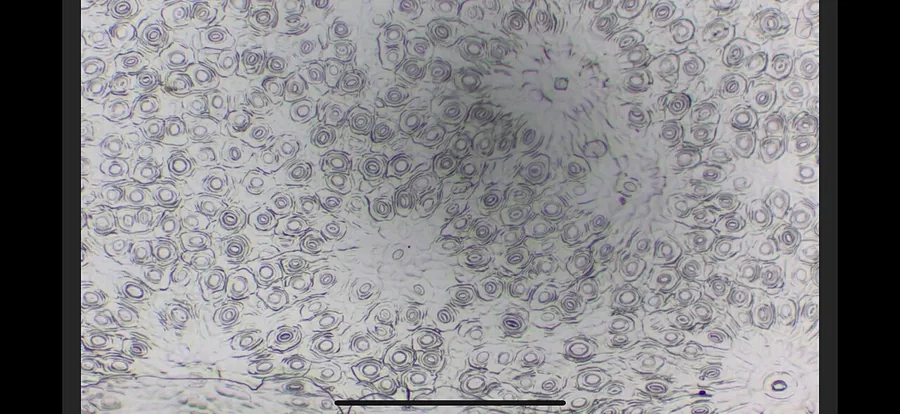

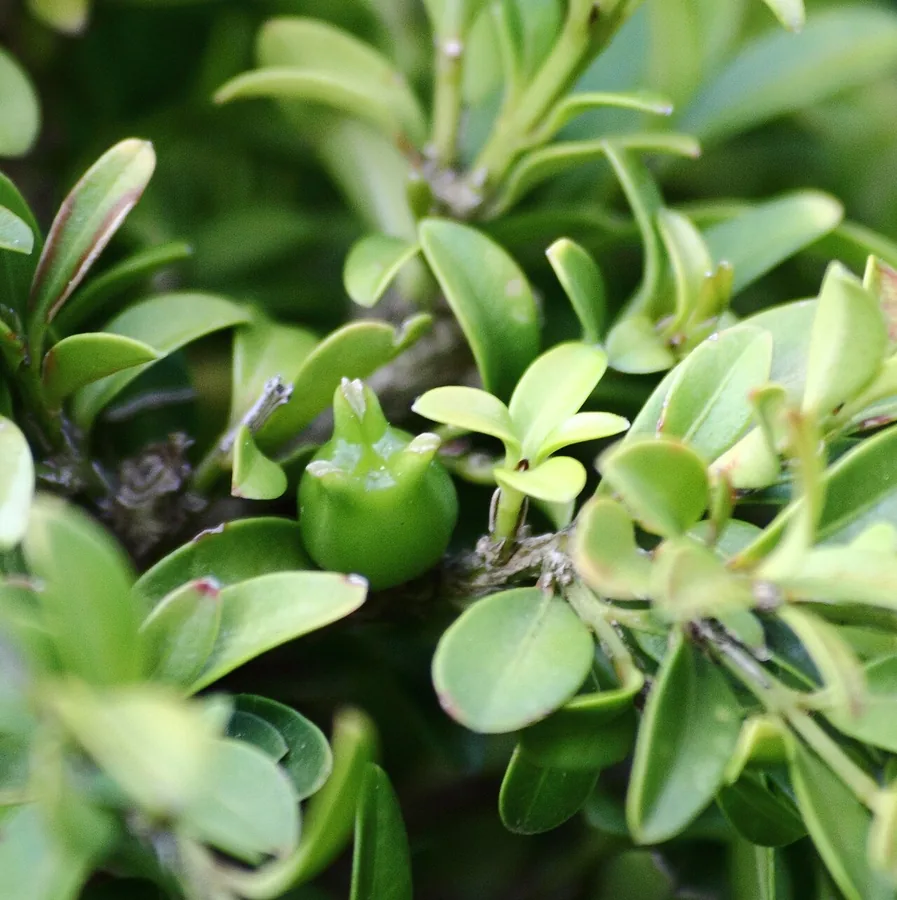

Kingsville Boxwood quick reference
| USDA zones | 6 to 9 (roughly; less cold-hardy than common boxwood) |
|---|---|
| Indoor / outdoor | Best outdoors; tolerates brief indoor spells but needs light, air and a cool winter |
| Light | Full sun to partial shade; some afternoon shade helps in very hot climates |
| Water | Evenly moist: regular water, but let the surface dry slightly; dislikes soggy roots |
| Soil | Free-draining bonsai mix; boxwood prefers neutral to slightly alkaline (not acidic) |
| Repot | Infrequent: every 3 to 5 years; slow grower with dense fine roots |
| Frost | Moderately hardy; protect potted roots from hard freeze and cold drying wind |
| Mature height | About 3 ft (0.9 m) tall and wide, reached only after many years [s3] |
| Growth rate | Very slow, roughly 0.5 to 0.75 in (1.3 to 1.9 cm) a year [s4] [s3] |
| Season of interest | Dense, tiny dark green evergreen leaves all year; fragrant flowers are not showy [s3] [s4] |
| Leaf reduction | Not rated by the sources we checked |
| #1 cause of death | Root rot from waterlogged / poorly drained soil |
Overview & Character
Kingsville boxwood is one of the most prized dwarf shrubs in bonsai. A compact cultivar of Japanese boxwood, it has extraordinarily small leaves, extremely short internodes, and a naturally dense, twiggy growth habit that produces cloud-like pads of foliage on a fine scale unmatched by most broadleaf evergreens. With age it develops a wonderfully gnarled, pale gray-tan trunk with peeling, fissured bark that reads as great age even on a small tree. It is a classic subject for shohin and mame (small and miniature) bonsai, where its tiny leaves keep everything in perfect proportion.
The great virtue and the great frustration of Kingsville is its slowness. It grows and thickens very gradually, which means dense refined ramification is achievable but structural development and trunk thickening take real patience. It is a tough, long-lived plant when its basic needs are met, good drainage above all, but it resents wet feet and hard root disturbance, and it is not fully cold-hardy, so winter protection of the pot matters. Handled with restraint it is among the most beautiful and durable of all bonsai.
Identification
Foliage: Tiny (often only a few millimeters long), rounded to oval, glossy dark green leaves arranged oppositely on the stems, exceptionally densely packed, the hallmark of this cultivar. Evergreen.
Bark: Pale gray to tan, becoming corky, fissured and attractively peeling/flaking on older trunks, giving a strong impression of age.
Habit: Very compact, dense, twiggy and slow-growing; forms tight rounded masses of foliage.
Flowers: Small, inconspicuous, pale greenish-yellow, without showy petals but noticeably fragrant in spring; minor ornamentally.
Look-alikes & how to tell them apart: Kingsville is distinguished from common boxwood (Buxus sempervirens) and from standard Buxus microphylla chiefly by its far smaller leaves and much shorter internodes; the foliage is denser and finer than any ordinary boxwood. Compared with the similar 'Morris Midget', Kingsville tends to be slightly more open and vigorous. Note that boxwood foliage has a characteristic pungent, slightly acrid smell when handled, which helps confirm the genus. All boxwood is toxic if eaten; keep away from children and pets.
Climate & USDA Zone
Roughly USDA zones 6 to 9. Japanese/Kingsville boxwood is somewhat less cold-hardy than common European boxwood, so treat it as only moderately frost-tolerant. It does best in a temperate climate with a mild-to-cool winter dormancy; it is not a tropical plant and does not thrive as a permanent indoor tree. In hot-summer regions give some afternoon shade; in colder regions provide reliable winter protection for the exposed pot and roots.
Light
Kingsville boxwood grows well in full sun to partial shade. Good light keeps growth compact and the foliage dense; too much deep shade produces sparse, leggy growth. In very hot climates, some afternoon shade prevents leaf scorch and bronzing and keeps the shallow, fine roots from overheating. It is happiest outdoors in bright, airy conditions; if brought indoors for short display it needs the brightest possible spot and good air movement.
Watering
Aim for evenly moist but never soggy. Boxwood likes regular watering and dislikes drying out completely, but its dense fine-root mass is very prone to rot if the soil stays waterlogged, so let the surface dry slightly between thorough waterings rather than keeping it constantly saturated. The dense foliage can hide a drying interior, so check the rootball rather than trusting the surface alone. Reduce watering in winter dormancy but do not let the rootball go bone dry. The single biggest watering mistake, and the commonest killer, is chronic wetness in poorly draining soil.
Soil & Root Care
Use a free-draining bonsai mix: akadama with pumice and lava, or a similar open blend, is ideal, because drainage is critical for a plant so prone to root rot. Unlike blueberry and azalea, boxwood is not an acid-lover; it prefers neutral to slightly alkaline soil, so avoid strongly acidic ericaceous mixes. Kingsville has a very dense, fine, fibrous root system and is slow to recover from heavy root work, so repot infrequently, every 3 to 5 years, in spring, removing only a modest portion of the roots and never bare-rooting the whole plant at once. Work gently, keep the freshly repotted tree out of harsh sun and wind, and do not let it dry while re-establishing.
Feeding
Feed moderately through the growing season with a balanced fertilizer; boxwood is a slow grower and does not need or want heavy feeding. Regular light feeding from spring through early autumn supports steady dense growth and good color, while over-feeding (especially high nitrogen) forces coarse, leggy growth that spoils the fine character. Ease off feeding in late autumn and winter. Do not feed a freshly repotted or clearly weak plant until it shows renewed growth. Yellowing foliage can indicate over-wet roots or nutrient issues rather than a need for more fertilizer; check the roots first.
Pruning & Styling
Kingsville boxwood ramifies beautifully and is styled mainly by clip-and-grow and pinching, which suits its dense, twiggy nature. Trim and pinch new shoots through the growing season to build tight pads and maintain the compact silhouette; the more you pinch, the finer the ramification becomes. Structural pruning is best done in spring so the plant has the full season to recover, and the tree back-buds well on old wood, which makes it forgiving to cut back for redesign. Wiring is possible but the wood is somewhat brittle and grows slowly, so wire young flexible shoots to set direction and check the wire regularly, as slow thickening means it can mark the bark if left too long. The naturally cloud-like pads and characterful trunk make it a superb subject for refined, aged-looking small bonsai.
Seasonal Calendar
- Spring: New growth begins; tiny fragrant flowers appear. Best time to repot (if due) and to do structural pruning, giving the full season to recover. Begin moderate feeding. Watch for leafminer and psyllid.
- Summer: Pinch and trim new shoots regularly to build dense pads. Keep evenly moist (check the rootball in heat) and give afternoon shade in very hot climates. Continue light feeding. Watch for spider mites.
- Autumn: Growth slows. Ease off pruning and feeding as the season ends. Reduce watering as temperatures fall. Ensure good airflow to reduce fungal risk as humidity lingers.
- Winter: Dormant/semi-dormant. Protect the pot and roots from hard freeze and cold drying wind (cold frame, mulch or unheated shelter); it is only moderately hardy. Water sparingly, never letting the rootball go bone dry.
Care calendar by month
- Repot and root-prune: April to June
- Prune, wire and shape: April to August
- Feed: April to September
- Air-layer or take cuttings: May to July
Propagation & Cuttings
Ease: Easy but slow. Best method: semi-hardwood cuttings.
This dwarf Buxus microphylla cultivar is propagated only from cuttings to preserve its tiny leaves and tight habit; it does not come true from seed. Take semi-hardwood cuttings in late summer to autumn, dip in IBA, and keep humid; they root slowly (2 to 3+ months) but reliably. It layers where low branches touch soil. For bonsai this is prized shohin/mame material; cutting-grown plants keep the miniature foliage, and the very slow growth means propagate early and be patient.
Pests
Boxwood can be affected by boxwood leafminer (larvae tunneling inside the leaves, causing blistering and yellowing), boxwood psyllid (causing cupped leaf tips), spider mites in hot dry conditions, and scale insects. Inspect the dense foliage regularly, as pests hide easily within it. Treat infestations early with appropriate horticultural oil or an insecticide suited to boxwood, and improve airflow within and around the canopy to discourage mites and psyllid.
Disease, Fungus & Infection
Root rot from waterlogged soil is the primary threat and the main cause of decline; prevention through sharp drainage and correct watering is essential. Boxwood is also susceptible to boxwood blight (Calonectria pseudonaturicola), a serious fungal disease causing dark leaf spots, stem lesions and rapid defoliation; and to Volutella blight and various leaf spots, worse in humid, crowded, poorly ventilated conditions. Prevention centers on good air circulation within the dense canopy, avoiding prolonged leaf wetness, free-draining soil, and prompt removal and disposal of infected material. Sterilize tools between plants, and be cautious about introducing new boxwood that could carry blight.
Most Common Causes of Death
1. Root rot from waterlogged / poorly drained soil. The number-one killer of this rot-prone species. Use a sharply free-draining mix and let the surface dry slightly between thorough waterings. 2. Letting the rootball dry out completely. The dense foliage hides a drying core; a bone-dry rootball damages the fine roots. Keep it evenly moist and check the roots, not just the surface. 3. Aggressive or too-frequent root work. Kingsville recovers slowly from heavy root disturbance. Repot infrequently and gently, never bare-rooting all at once. 4. Cold damage to potted roots. Only moderately hardy; exposed pot roots can be killed by hard freeze and cold drying wind. Provide winter protection. 5. Boxwood blight / poor airflow. Humid, stagnant, crowded conditions invite blight and leaf disease. Keep the canopy open and airy and remove infected material promptly.
Sources
- Bonsai Empire: Boxwood care
- Wikipedia: Buxus microphylla
- The Dawes Arboretum: Buxus microphylla 'Compacta', Kingsville Dwarf littleleaf boxwood
- Oregon State University Landscape Plants: Buxus microphylla 'Compacta'
Buy a Kingsville Boxwood bonsai
- All species
- Shop bonsai trees, tools & supplies
- How to Water a Bonsai (Without Killing It)
- Bonsai Soil: What to Buy, What to Mix, and What It Costs
- Why Bonsai Die After Repotting: Diagnosing a Failed Repot
- Pruning vs. Pinching: Shaping Your Bonsai
- Overwintering Bonsai: Cold-Season Care
- Indoor Bonsai Light and Humidity: Making a Windowsill Actually Work
- Root Rot on bonsai
- Underwatering (Drought Stress) on bonsai
- Winter / Frost Damage on bonsai
- Leaf Scorch / Sunburn on bonsai
- Spider Mites on bonsai
- Boxwood bonsai care
- Arabian Jasmine bonsai care
- Japanese Andromeda bonsai care
- Natal Plum bonsai care