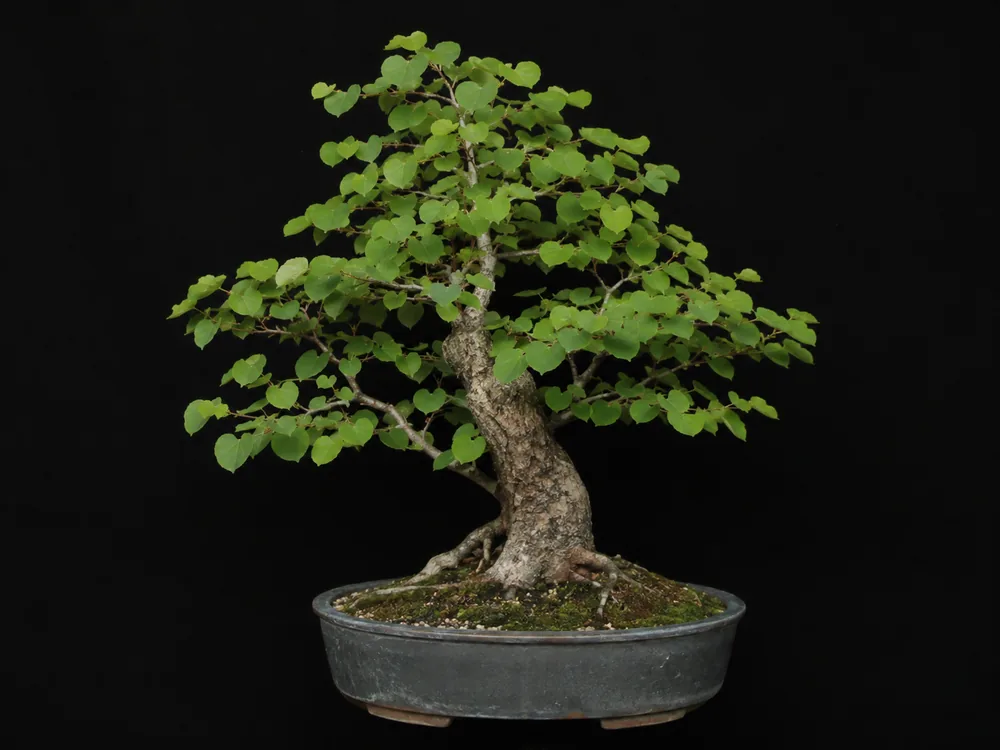
Katsura Bonsai Care
Cercidiphyllum japonicum
Zones 4 to 8, outdoor. A graceful deciduous tree famous for two things: heart-shaped (cordate) leaves that emerge bronze. Most are lost to drying out.
Cercidiphyllaceae · Deciduous broadleaf tree
Katsura quick reference
| USDA zones | 4–8 |
|---|---|
| Indoor / outdoor | Outdoor (deciduous; needs seasons and dormancy) |
| Light | Full sun to part shade; shelter from hot wind |
| Water | Constant moisture — extremely drought-sensitive |
| Soil | Moisture-retentive, free-draining mix |
| Repot | Every 2–3 years, early spring (root-sensitive) |
| Frost | Hardy; protect potted roots in hard freeze |
| Mature height (as bonsai) | 20-45m wild; 30-70cm as bonsai |
| Growth rate | Moderate to fast when young |
| Season of interest | Gold-apricot autumn with caramel scent |
| Leaf reduction | Heart leaves reduce moderately with defoliation |
| #1 cause of death | Drought stress (leaf-drop death spiral); root disturbance |
Overview & Character
The Katsura is a graceful deciduous tree famous for two things: heart-shaped (cordate) leaves that emerge bronze, turn blue-green, and color to soft apricot-yellow in autumn — and a remarkable caramel/cotton-candy fragrance the falling leaves release in fall. It makes an elegant, airy bonsai with delicate twigging.
The defining care fact is its intolerance of drought: Katsura drops its leaves (leaf abscission) whenever the soil dries, spending stored energy to regrow them — repeat this and the tree exhausts itself and dies. It also has a wide, shallow, sensitive root system that resents disturbance. Keep it constantly moist and handle roots gently and it is rewarding.
Identification
Foliage: Small, rounded, heart-shaped (cordate) leaves ~3–7 cm with gently scalloped (crenate) margins, borne in opposite pairs; emerge bronze-purple, mature blue-green, turn apricot/soft-yellow in autumn — releasing a distinctive burnt-sugar scent as they fall.
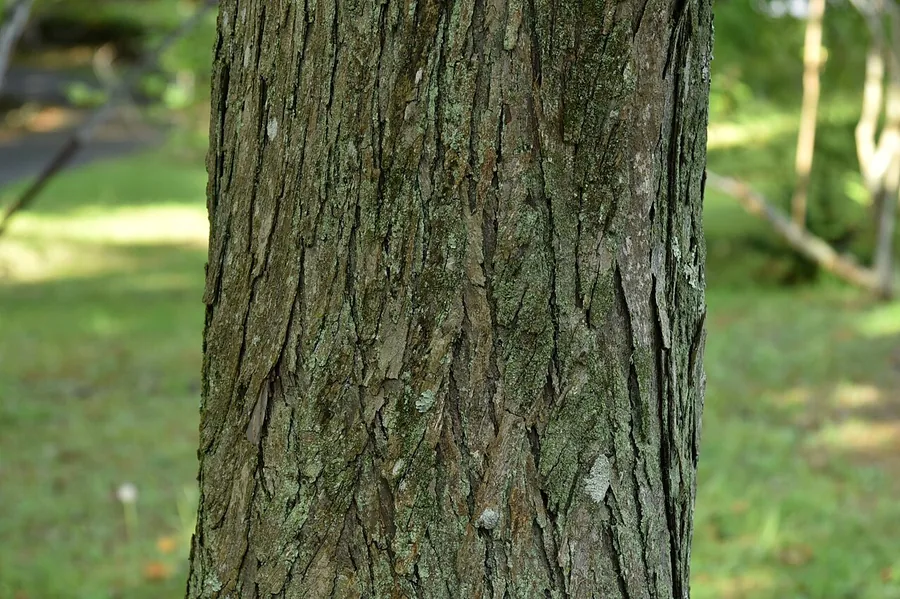
Bark & trunk: Grey-brown bark, becoming shaggy and finely shredding/peeling with age.
Growth habit / form: Upright, often multi-stemmed, with fine delicate twigging and a soft, airy crown; suits informal upright and clump/multi-trunk styles.
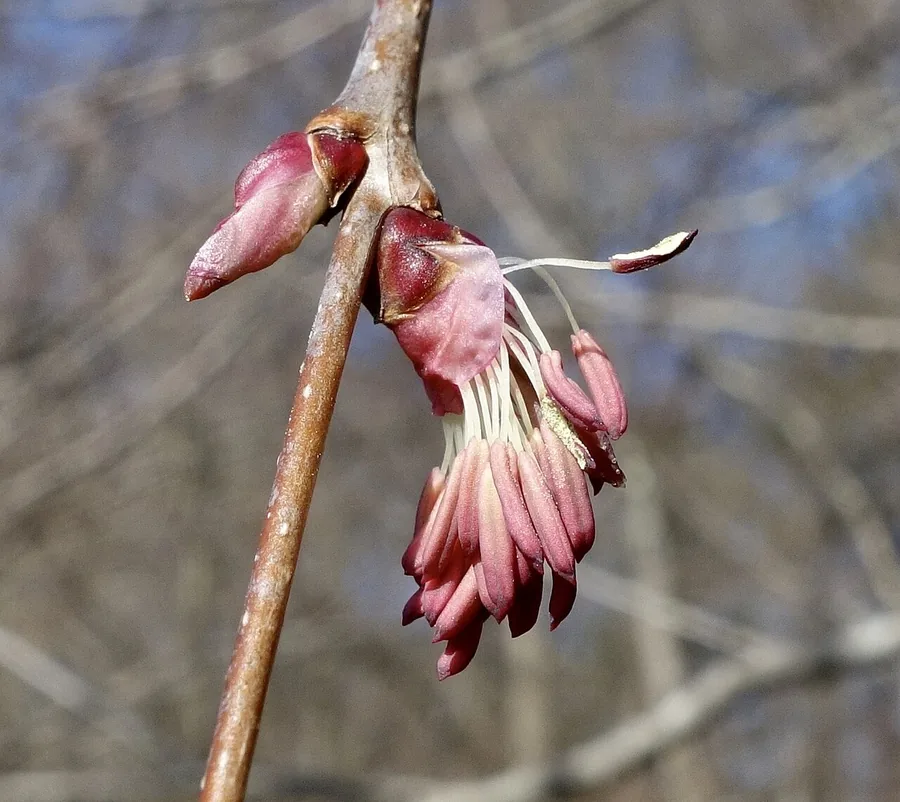
Flowers / fruit: Dioecious; small, petalless red flowers before the leaves in spring (inconspicuous); not grown for bloom.
Look-alikes & how to tell them apart: The opposite, rounded, heart-shaped crenate leaves resemble Cercis (redbud), but Katsura leaves are smaller, paired, and emit the caramel autumn scent — the fragrance plus opposite leaves is diagnostic.
Climate & USDA Zone
Hardy in USDA zones 4–8. Deciduous and dormancy-dependent, grown outdoors year-round. Cold-hardy, but protect potted roots in hard freezes. It needs reliable moisture and shelters from hot, drying wind, which scorches the thin leaves.
Light
Full sun to partial shade. It takes full sun where moisture is constant, but in hot climates dappled afternoon shade and shelter from drying wind prevent leaf scorch. Good light gives the best autumn color.
Watering
Keep constantly moist — this is the single most important thing. Katsura is acutely drought-sensitive.
- It often needs watering twice a day or more in summer heat; many growers stand the pot in a shallow water tray during peak summer.
- Every time the soil dries, the tree drops leaves and must spend reserves regrowing them — repeated drying can be fatal.
- Maintain free drainage so it stays moist, not stagnant.
Soil & Root Care
Soil: A moisture-retentive but free-draining mix (akadama-heavy with pumice/lava) helps hold the constant moisture it demands.
Repotting:
- Frequency: every 2–3 years, early spring as buds swell.
- Katsura has a wide, shallow, sensitive root system and transplants with difficulty — root-prune conservatively, keep core roots and old soil, never bare-root, and keep it moist afterward.
- Aftercare: shade, shelter, and unfailing moisture while re-establishing.
Feeding
Feed through the growing season with a balanced fertilizer once growth is established; ease off late season. Don't feed a freshly repotted, stressed, or dormant tree.
Pruning & Styling
- Pruning: It back-buds well; many growers cut branches back to nubs/secondary forks in winter and let it reflush strongly each spring, with 3–4 trimming sessions through the season to build ramification.
- Drought-and-work caution: working/pruning while the tree is at all dry will trigger leaf drop — only work a well-watered, vigorous tree.
- Wiring: young shoots are flexible; protect the thin bark; shape largely by directional pruning.
- Suits informal upright and clump/multi-trunk styles.
Propagation & Cuttings
Ease: Moderate. Best methods: seed; softwood cuttings; division.
Cercidiphyllum japonicum grows from its tiny seed — surface-sow fresh after a short cold stratification; germination is fair and seedlings are delicate at first. Softwood cuttings in early summer under mist with IBA root at moderate rates. Multi-stemmed plants can be divided. For bonsai the rounded blue-green leaves and caramel autumn scent are the draw; seedlings or cuttings develop well, and the species back-buds and suckers, so it recovers from reduction.
Pests
- Aphids (on soft new growth)
- Spider mites (hot, dry conditions — worsened by any drought stress)
- Scale insects
Treat with horticultural oil, insecticidal soap, or appropriate systemics; catch infestations early.
Disease, Fungus & Infection
Generally healthy when kept moist; problems are largely cultural:
- Drought-stress leaf drop / decline — the dominant failure mode (cultural, but effectively lethal if repeated).
- Root rot — only from genuine waterlogging/stagnation (less common than drought for this species).
- Leaf scorch — from hot wind or drying; shelter and keep moist.
Prevention: constant moisture, shelter from hot wind, gentle root care.
Most Common Causes of Death
1. Drought stress. The classic killer — each dry-out triggers leaf drop; repeat it and the tree exhausts its reserves and dies. Never let it dry. 2. Root disturbance / hard root-pruning. Sensitive, shallow roots transplant poorly — work them gently. 3. Hot, drying wind / scorch. Shelter the foliage. 4. Working the tree while dry. Triggers leaf drop; only work a well-watered tree. 5. Waterlogging / stagnation. Keep moist but freely drained.
Seasonal Calendar
- Spring: Repot if due (conservative root work); bronze leaves emerge; begin feeding; keep constantly moist.
- Summer: Constant moisture (often twice daily; water tray helps); part shade in heat; trim to ramify.
- Autumn: Apricot-yellow color and caramel scent; taper feeding/water as it goes dormant.
- Winter: Dormant/leafless; structural pruning to nubs; keep just-moist; protect potted roots.
Close-up photo reference
Compare your tree against these to confirm the species and spot problems early.


Sources
Growing a Katsura bonsai
We don’t currently stock Katsura trees. If you already have one — or you are sourcing one elsewhere — these are the supplies its care depends on:
- Bonsai Decorative Crushed Shale Top of Soil Dressing — $4.95
- Bonsai Zen Garden Grooming Rake — $8.95
- Metal Impression Tags Package of 4 — $2.95
Browse all bonsai trees, tools and soil or find a species we stock that suits your conditions.
- All species
- Shop bonsai trees, tools & supplies
- How to Water a Bonsai (Without Killing It)
- Bonsai Soil: What to Buy, What to Mix, and What It Costs
- Why Bonsai Die After Repotting: Diagnosing a Failed Repot
- Pruning vs. Pinching: Shaping Your Bonsai
- Overwintering Bonsai: Cold-Season Care
- Indoor Bonsai Light and Humidity: Making a Windowsill Actually Work
- Root Rot on bonsai
- Underwatering (Drought Stress) on bonsai
- Winter / Frost Damage on bonsai
- Leaf Scorch / Sunburn on bonsai
- Spider Mites on bonsai
- American Elm bonsai care
- American Hornbeam bonsai care
- Amur Maple bonsai care
- Beautyberry bonsai care