
Honey Locust Bonsai Care
Gleditsia triacanthos
Zones 3 to 9, outdoor only. A fast-growing North American deciduous tree known for its airy, fern-like compound foliage. Most are lost to overwatering.
Fabaceae (the legume, pea and bean family) · Deciduous broadleaf tree; outdoor bonsai
At a glance
- Type
- Deciduous
- Leaves
- Deciduous
- USDA zones
- 3 to 9
- Indoor or outdoor
- Outdoor
- Growth rate
- Fast
- Bonsai popularity
- Tier 3
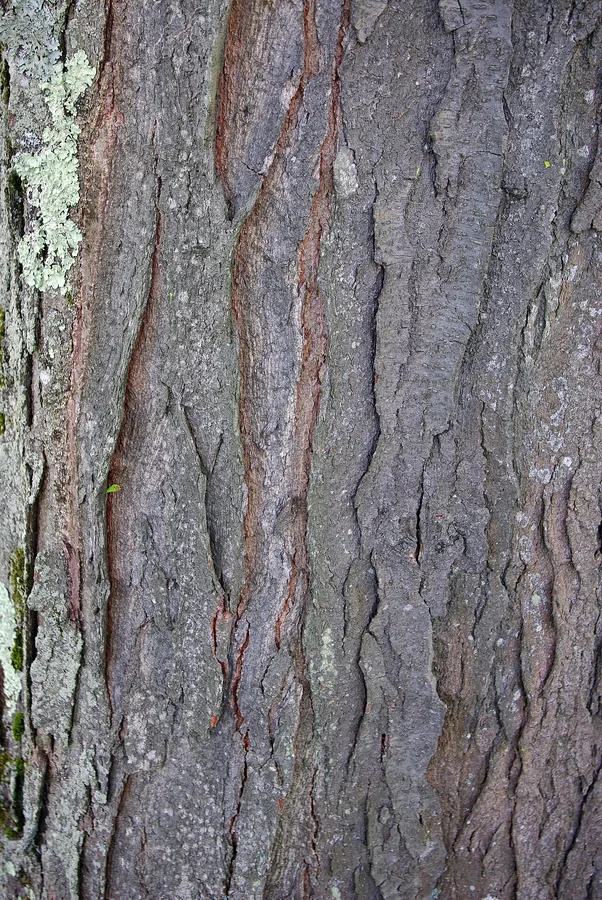
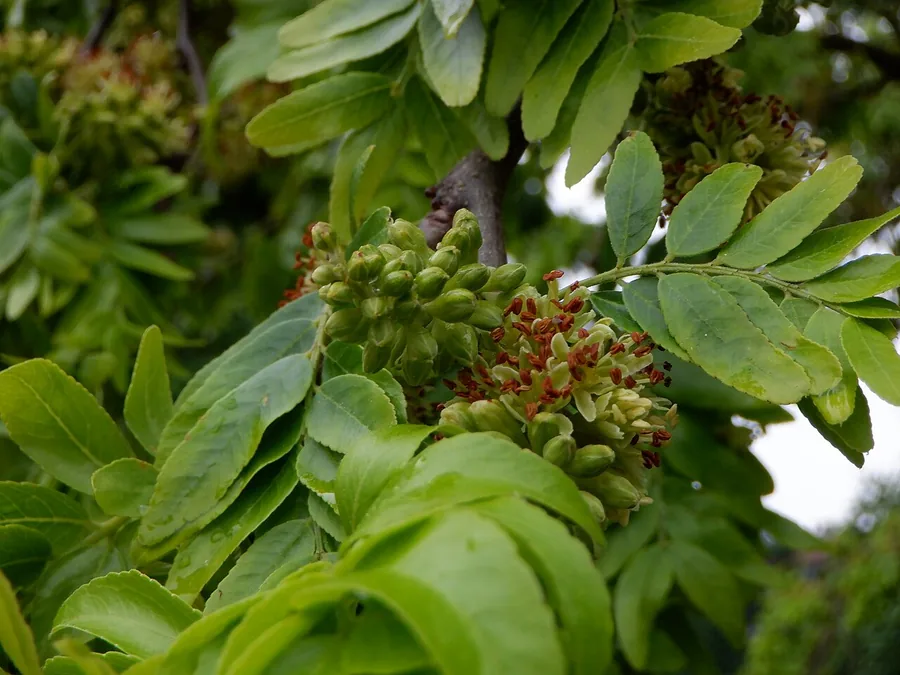
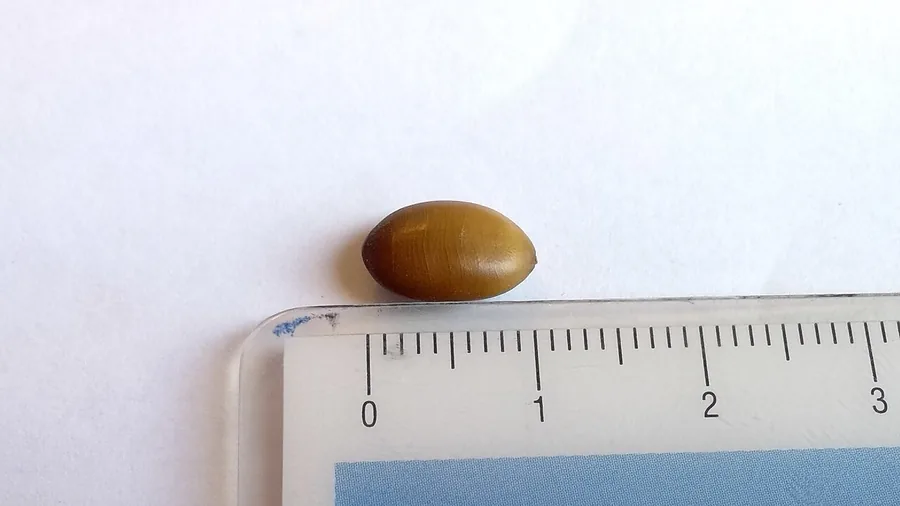
Close-up photo reference
Compare your tree against these to confirm the species and spot problems early.



Honey Locust quick reference
| USDA zones | 3 to 9 |
|---|---|
| Indoor / outdoor | Outdoor only; needs full seasons and winter dormancy |
| Light | Full sun for best form and delicate foliage |
| Water | Moderate; likes moist but well-drained soil, tolerates brief dryness |
| Soil | Free-draining bonsai mix with some organic content |
| Repot | Every 2 to 3 years young, 3 to 4 years once mature |
| Frost | Very cold-hardy in ground; protect potted roots from hard freeze |
| Mature height | 70 to 80 ft (21 to 24 m) on average in natural stands [s3] |
| Growth rate | Fast [s3] [s4] |
| Season of interest | Yellow fall color and long twisted brown pods in fall that can hang on into winter [s5] [s4] |
| Leaf reduction | Not rated by the sources we checked |
| #1 cause of death | Root rot from waterlogged, poorly draining soil |
Overview & Character
The Honey Locust is a fast-growing North American deciduous tree known for its airy, fern-like compound foliage, formidable branching thorns on the wild form, and long, twisted seedpods. As bonsai it offers a fine, delicate canopy that casts dappled shade, brilliant golden-yellow autumn color, and a trunk that develops rugged, ridged bark with age. Its light, feathery leaves make it well suited to elegant, naturalistic styling.
Honey locust is exceptionally tough and adaptable, tolerating drought, poor soils, pollution and cold once established, which makes it forgiving for growers who can meet its need for a proper outdoor life. Note that many landscape cultivars (such as the popular thornless forms) are selected to be free of thorns and often podless; the wild species is heavily armed with branched thorns and should be handled with care.
Identification
Foliage is pinnately or bipinnately compound, made up of many small oval leaflets that give a soft, fern-like texture and turn clear yellow in autumn. Bark is gray-brown, becoming ridged and furrowed with age. Wild trees bear large, branched thorns on the trunk and branches. Flowers are small, greenish-yellow and fragrant in late spring; fruit is a long, flat, often twisted brown pod containing seeds in a sweet pulp, the source of the "honey" name.
Look-alikes & how to tell them apart: Honey locust is often confused with Black Locust (Robinia pseudoacacia), but Black Locust has once-compound leaves with paired spines at the leaf base, white pea-like flowers and short pods, whereas Honey Locust has finer bi-compound foliage, branched thorns on the trunk, and long twisted pods. It also resembles some acacias and jacaranda in leaf texture, but its cold-hardiness and pods distinguish it.
Climate & USDA Zone
Honey locust grows across a very wide range, roughly USDA zones 3 to 9, and is among the most cold-hardy and adaptable of bonsai subjects. It requires a genuine winter dormancy and full outdoor seasons; it is not an indoor plant. It tolerates heat, drought and urban conditions well, which makes it resilient in cultivation.
Light
Grow in full sun. Honey locust naturally forms an open, light-filtering canopy, and strong sun keeps the foliage compact and encourages good autumn color. Insufficient light causes weak, stretched growth and larger leaflets. In only the most extreme heat is light midday shade helpful for small containerized specimens.
Watering
Honey locust prefers moist but well-drained soil and sits comfortably in the middle of the wet-dry spectrum. Water thoroughly when the surface begins to dry, then allow slight drying before the next watering. It tolerates brief dryness better than many species thanks to its drought resistance, but sustained saturation is dangerous: soggy roots are the main killer. In hot weather, container specimens may need daily watering.
Soil & Root Care
Use a free-draining bonsai substrate: akadama, pumice and lava with a portion of organic matter works well. As a legume, honey locust fixes nitrogen and grows vigorously, developing strong roots that respond well to nebari development. Repot in early spring as buds begin to swell, every 2 to 3 years for developing trees and 3 to 4 years for mature ones. It tolerates root pruning reasonably well, but as with most trees remove no more than about a third of the root mass at one time.
Feeding
Because it fixes its own nitrogen, honey locust needs relatively modest feeding. Use a balanced fertilizer through the growing season, avoiding heavy nitrogen doses that would produce oversized leaflets and long internodes. Feed from spring after growth starts through late summer, then taper and stop before dormancy. A restrained feeding regime helps keep the delicate foliage in scale.
Pruning & Styling
Honey locust is vigorous and back-buds well, so it responds strongly to pruning. Do structural pruning in late winter to early spring before growth resumes. Because the foliage is compound, ramification is built by directing where new shoots emerge rather than by dividing individual leaves; cut back extending shoots to shape the silhouette and encourage new buds. It suits informal upright, broom and naturalistic styles that showcase its airy canopy. Wire young shoots while flexible, being mindful of thorns on wild forms; use clip-and-grow on stiffer branches. Seal larger cuts to reduce dieback.
Seasonal Calendar
- Spring: Repot as buds swell; the feathery foliage emerges; begin feeding once growth starts and do structural pruning before the flush.
- Summer: Vigorous growth; water attentively, feed modestly, and cut back extending shoots; watch for spider mites in heat.
- Autumn: Foliage turns golden-yellow and drops; taper feeding, tidy structure, and clean up fallen leaves and pods.
- Winter: Fully dormant and leafless; withhold fertilizer, protect roots from hard freezes, and keep soil barely moist.
Care calendar by month
- Repot and root-prune: March
- Prune, wire and shape: February, June to July
- Feed: April to September
- Air-layer or take cuttings: May to June
Propagation & Cuttings
Ease: Easy from seed. Best methods: seed; root cuttings.
Gleditsia triacanthos grows readily from seed; scarify the very hard coat (nick or hot-water soak until swollen) and sow; germination is fast and strong, no cold needed. Root cuttings from established plants sprout well. Stem cuttings root poorly; thornless/named forms are budded or grafted. For bonsai the ferny compound leaves reduce nicely and the tree is vigorous, so seedlings develop quickly and back-bud well after trunk chops.
Pests
Honey locust can be affected by honeylocust plant bug, spider mites (especially in hot, dry conditions), aphids, and various leaf-feeding caterpillars and pod-boring insects. Spider mites are a common problem in warm, dry weather and are managed with increased humidity, hosing, and miticides or horticultural oil. Inspect foliage regularly, since the fine leaflets can mask early infestations until damage is visible.
Disease, Fungus & Infection
The chief threat in container culture is root rot from waterlogged soil, prevented by good drainage. Honey locust can also develop cankers (such as Thyronectria and Nectria cankers) that cause dieback, as well as leaf spot and rust fungi in wet, crowded conditions. Maintain good airflow, avoid overhead watering late in the day, use clean tools, and prune out any cankered or dead wood promptly to prevent spread.
Most Common Causes of Death
1. Root rot from waterlogged, poorly draining soil. Use a free-draining mix, let the surface dry between waterings, and ensure the pot drains freely. 2. Winter freeze damage to potted roots. Though very cold-hardy in the ground, container roots need protection from hard, sustained freezes in a cold frame or heeled in with mulch. 3. Spider mite infestation in hot, dry conditions. Monitor the fine foliage closely, raise humidity, and treat promptly before mites defoliate the tree. 4. Canker and dieback from untreated wounds or stress. Use clean tools, seal larger cuts, and remove diseased wood quickly. 5. Weak, stretched growth from insufficient light. Keep the tree in full sun to maintain compact, well-scaled foliage.
Sources
- Bonsai Empire: tree species care guides
- Wikipedia: Gleditsia triacanthos
- USDA Forest Service Fire Effects Information System: Gleditsia triacanthos
- NC State Extension Gardener Plant Toolbox: Gleditsia triacanthos
- RHS: Gleditsia triacanthos
Where to buy a Honey Locust bonsai
We don’t stock Honey Locust at the moment. These species need similar care and we have them now, they are the closest match in our catalogue.
- Bald Cypress, similar care, in stock now
Browse all bonsai trees for sale or find a species matched to your climate and space.
- All species
- Shop bonsai trees, tools & supplies
- How to Water a Bonsai (Without Killing It)
- Bonsai Soil: What to Buy, What to Mix, and What It Costs
- Why Bonsai Die After Repotting: Diagnosing a Failed Repot
- Pruning vs. Pinching: Shaping Your Bonsai
- Overwintering Bonsai: Cold-Season Care
- Indoor Bonsai Light and Humidity: Making a Windowsill Actually Work
- Root Rot on bonsai
- Winter / Frost Damage on bonsai
- Insufficient Light (Etiolation) on bonsai
- Spider Mites on bonsai
- Scale Insects on bonsai
- American Elm bonsai care
- American Hornbeam bonsai care
- Amur Maple bonsai care
- Bald Cypress bonsai care