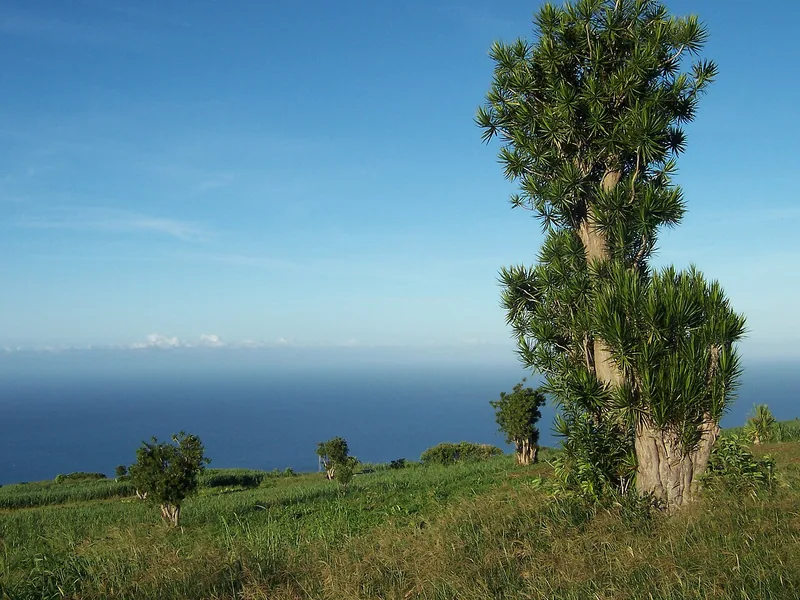
Dracaena Bonsai Care
Dracaena marginata
2 Dracaena bonsai in stock, from $56.95 Shipped direct from our nursery partners, with a 48-hour live-arrival guarantee. See the trees
Zones 10 to 11, indoor. We should say this plainly, because you may have bought it expecting otherwise. Most are lost to overwatering.
Asparagaceae · Tropical evergreen monocot shrub; sold with braided or twisted canes. A styled houseplant rather than a bonsai subject
Dracaena quick reference
| USDA zones | 10–11 outdoors year-round; a houseplant everywhere else |
|---|---|
| Indoor / outdoor | Indoors year-round in temperate climates |
| Light | Bright indirect light. It tolerates less, at the cost of leggy growth |
| Water | Let the top inch dry between waterings. Sensitive to fluoride and chlorine in tap water |
| Soil | Standard well-draining potting or bonsai mix, slightly acid |
| Repot | Every 2 years, or when rootbound; spring |
| Frost | None. Damage begins around 50°F — keep it above 60°F |
| Mature height (as bonsai) | To 6 m in Madagascar; 30 cm–1.2 m as a braided container specimen |
| Growth rate | Slow to moderate |
| Season of interest | Year-round foliage — deep green leaves edged in red-purple |
| Leaf reduction | Not applicable — strap-like monocot leaves do not reduce through technique |
| #1 cause of death | Root rot from soil that stays wet |
Overview & Character
We should say this plainly, because you may have bought it expecting otherwise: a braided Dracaena is a houseplant with bonsai styling, not a bonsai.
The "trunk" is not one trunk. It is several separate young canes braided together while still flexible, which then thicken and lock the plait in place as they lignify. There is no ramification, no leaf reduction, no wiring of a mature trunk, and no branch structure in the sense the rest of this library uses the term. What you can do is cut a cane back and get new growth points below the cut — a cane-level response, not fine twigging.
None of which makes it a bad plant. It is genuinely handsome, exceptionally tolerant of indoor conditions, and one of the easier things to keep alive on a windowsill. But if you are learning bonsai technique, this is not the plant to learn it on, and we would rather tell you that than take your money on a false premise.
Identification
Canes: Slender, woody, marked with rings of old leaf scars. Commercially, several are braided or twisted together.
Foliage: Narrow, arching, sword-shaped leaves in rosettes at the cane tips — deep green with a thin red-purple margin, which is the ornamental point.
Flowers: Small white-green and inconspicuous; rare indoors.
Look-alikes: Other Dracaena cultivars such as 'Tricolor' and 'Colorama', which differ in leaf variegation; and superficially Cordyline species, a different genus.
Climate & USDA Zone
Zones 10–11 outdoors; a houseplant everywhere else. It starts to suffer around 50°F and is happiest above 60°F. Keep it away from cold draughts and unheated porches.
Light
Bright indirect light. It tolerates lower light better than almost anything else in this catalogue, but pays for it with stretched canes and sparser rosettes. Avoid harsh direct summer sun through glass, which scorches the leaves.
Watering
Let the top inch dry, then water thoroughly. It is far more often killed by too much water than too little.
Water quality matters here. Dracaena is specifically sensitive to fluoride and chlorine, which accumulate and produce the brown, dead leaf tips almost every owner eventually sees. Filtered, distilled or collected rainwater largely prevents it. If you must use tap water, letting it stand overnight helps with chlorine but not with fluoride.
Soil & Root Care
A standard free-draining mix, slightly acid. Repot every two years or when the roots fill the pot, in spring. Root work is straightforward — this is not a delicate species.
Feeding
Balanced liquid feed at half strength through spring and summer only. It is a slow grower and overfeeding worsens leaf-tip burn rather than producing growth.
Pruning & Styling
Cut a cane and it will reliably push new growth points from just below the cut — that is the one genuine technique available, and it is how you control height and encourage a fuller head. Cut in spring or early summer so the plant has the season to respond.
Braiding is done commercially on young flexible stems. You can continue training a braid on new growth while it is still supple, but you cannot re-braid a stiffened cane, and you cannot wire and bend the trunk the way you would a woody species.
Remove browned lower leaves as they age — they shed naturally and pulling them cleanly keeps the cane tidy.
Propagation & Cuttings
Ease: Easy. Best methods: cane cuttings; air-layering.
Cane cuttings root readily in water or moist mix — this is exactly how commercial braided plants are produced at scale. Air-layering also works. Few plants in this catalogue are easier to multiply.
Pests
Spider mites are the main problem, especially in warm dry indoor air over winter — look for fine webbing and a dusty, stippled look to the leaves. Mealybugs and scale also occur. Raise humidity and improve airflow as prevention; insecticidal soap or neem for treatment.
Disease, Fungus & Infection
Fungal and bacterial leaf spot in persistently damp, still conditions. Root rot from overwatering. Brown leaf tips are usually not disease at all — they are fluoride, chlorine, dry air, or underwatering.
Most Common Causes of Death
1. Root rot from soil that stays wet. The commonest killer by a distance. 2. Cold. Below 50°F it declines; a cold draught by a door in winter does real damage. 3. Spider mite infestation. Rarely fatal quickly, but a bad winter outbreak can strip a plant. 4. Fluoride and chlorine build-up. Disfiguring rather than fatal, but it is the complaint owners have most often.
Seasonal Calendar
- Spring: Repot if due; cut back canes if you want to force new heads; resume feeding.
- Summer: Bright indirect light, water when the top inch dries, watch for mites.
- Autumn: Reduce feeding; move away from windows that will get cold.
- Winter: Warm, bright, and drier. Watch humidity — dry heated air brings mites.
Toxicity, Safety & Handling
**The ASPCA lists Dracaena marginata as toxic to dogs, cats and horses.** The toxic principle is saponins.
Reported signs are vomiting, sometimes with blood, loss of appetite, drooling, depression, weakness and incoordination — with dilated pupils specifically noted in cats.
To put this in proportion: this is a gastrointestinal-upset level of toxicity, unpleasant and worth a vet call, but not in the same category as the liver failure caused by a sago palm. Keep it out of reach of animals that chew plants, and do not panic if a leaf goes missing — but do ring your vet.
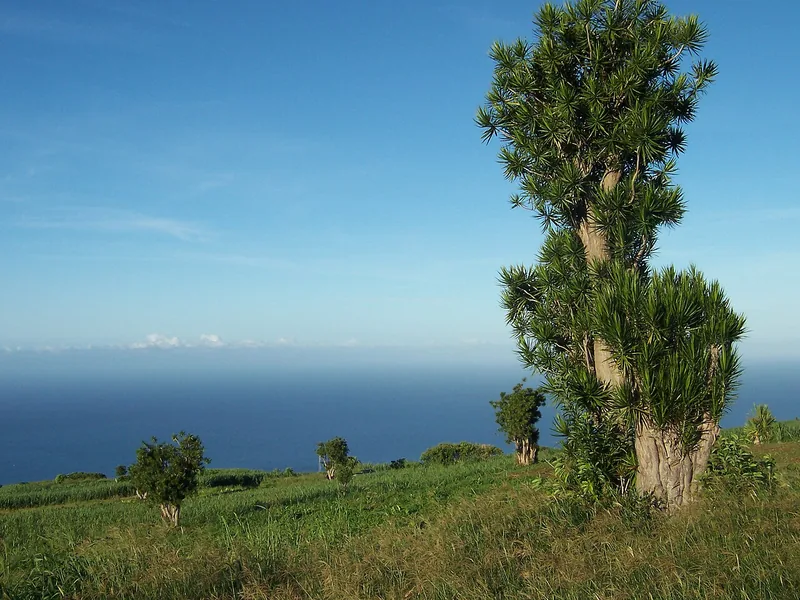
Close-up photo reference
Compare your tree against these to confirm the species and spot problems early.

Sources
- Madagascar Dragon Tree — ASPCA Toxic and Non-toxic Plants
- Dracaena marginata Lam. — Plants of the World Online, Kew
- Dracaena reflexa var. angustifolia — World Flora Online
Buy a Dracaena bonsai
- All species
- Shop bonsai trees, tools & supplies
- How to Water a Bonsai (Without Killing It)
- Bonsai Soil: What to Buy, What to Mix, and What It Costs
- Why Bonsai Die After Repotting: Diagnosing a Failed Repot
- Pruning vs. Pinching: Shaping Your Bonsai
- Overwintering Bonsai: Cold-Season Care
- Indoor Bonsai Light and Humidity: Making a Windowsill Actually Work
- Root Rot on bonsai
- Overwatering on bonsai
- Underwatering (Drought Stress) on bonsai
- Winter / Frost Damage on bonsai
- Leaf Scorch / Sunburn on bonsai
- Black Olive bonsai care
- Bougainvillea bonsai care
- Clusia bonsai care
- Dwarf Umbrella Tree (Dwarf Schefflera) bonsai care