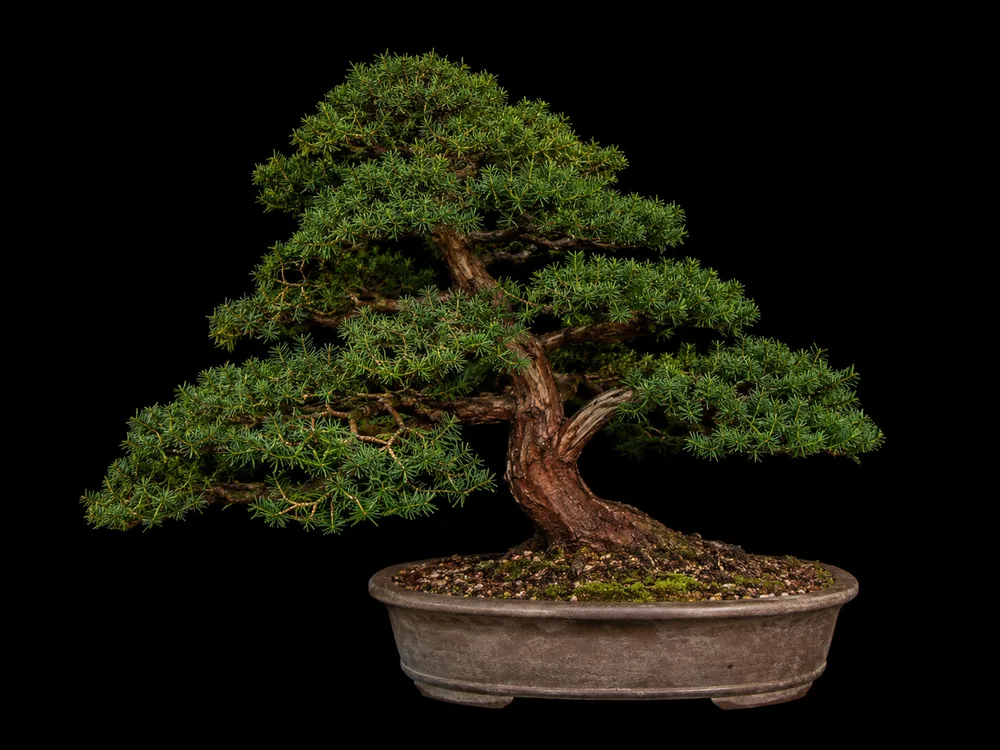
Yew Bonsai Care
Taxus baccata
Zones 5 to 7. One of the great classical bonsai conifers and one of the longest-lived trees. Most are lost to overwatering.
Taxaceae · Evergreen conifer (technically a coniferous gymnosperm, though it bears fleshy arils rather than true cones)
Yew quick reference
| USDA zones | 5–7 (Taxus cuspidata slightly hardier; protect shallow bonsai pots below zone 6) |
|---|---|
| Indoor / outdoor | Strictly outdoor; needs a real winter dormancy |
| Light | Very adaptable — tolerates deep shade, but best in partial shade to full sun (afternoon shade in hot regions) |
| Water | Moderately moist — thirstier than most conifers, but roots rot in soggy substrate. Water generously into free-draining soil, never let it sit wet. |
| Soil | Free-draining inorganic mix (akadama/pumice/lava); drainage matters more than fertility |
| Repot | Every 2–4 years (young trees more often, old specimens less) |
| Frost | Good; hardy roots, but shelter from the lethal combination of hard frost + strong sun + icy wind |
| Mature height (as bonsai) | Tree to 20m in nature; bonsai often 25-70cm. |
| Growth rate | Slow (long-lived, hard wood). |
| Season of interest | Year-round dark needles; red arils; rich deadwood. |
| Leaf reduction | Good; needles reduce and back-bud readily with pruning. |
| #1 cause of death | Root rot from waterlogged/poorly draining soil |
Overview & Character
The yew is one of the great classical bonsai conifers and one of the longest-lived trees in Europe — wild specimens exceed 1,000 years. For bonsai it offers a rare combination: extremely fine, dark-green needles, an enormous tolerance for hard pruning, and the prized ability to back-bud freely on old, bare wood — a trait most conifers lack. This makes the yew unusually forgiving and recoverable: you can cut deep into old branches and reasonably expect new growth to emerge.
Yew also takes deadwood (jin and shari) beautifully, with hard, durable heartwood that contrasts strikingly against the reddish, peeling bark and dense green pads. It is a slow, patient species, rewarding long-term work.
> ⚠️ Toxicity — read this. Every part of the yew except the fleshy red aril is highly poisonous to humans, dogs, cats, horses and livestock. The needles, bark, wood and seeds contain taxine alkaloids that can cause cardiac arrest with little warning and no reliable antidote. Wash hands after handling, keep cuttings and prunings away from children and pets, never burn yew waste indoors, and never compost it where animals graze. Treat the seed inside the red aril as deadly.
Identification
FOLIAGE: Flat, linear needles about 1–3 cm long, soft to the touch, dark glossy green above and paler matte green beneath, arranged in two rows along the shoot (giving a flattened, spray-like appearance). Needles persist several years.
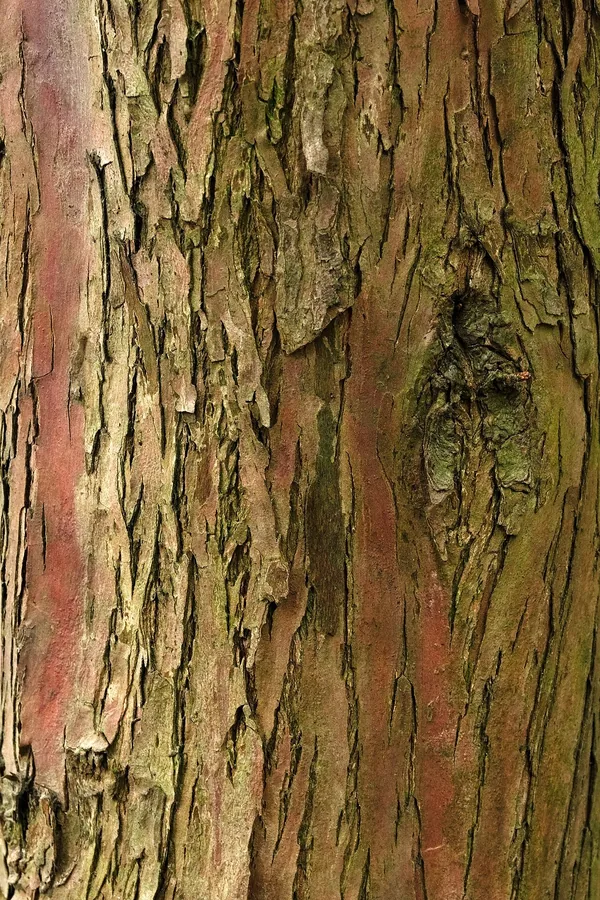
BARK & TRUNK: Thin, reddish-brown to purplish bark that flakes in scales to reveal lighter patches beneath. Old trunks become fluted, hollow and gnarled, with a fibrous, muscular character.
GROWTH HABIT/FORM: Dense, broadly conical to rounded; heavily branched with the capacity to regenerate growth from latent buds anywhere on the trunk and old wood.
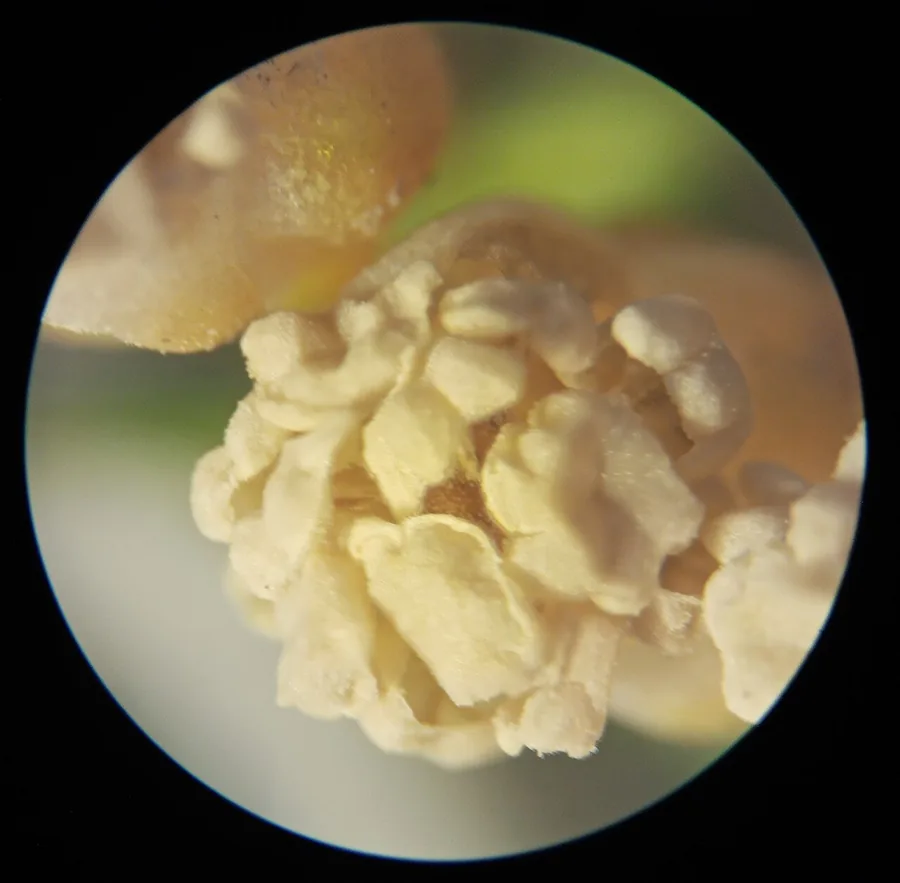
FLOWERS/FRUIT/CONES: Dioecious (separate male and female plants). No true woody cone. Females bear a single hard seed cupped in a fleshy, bright-red, berry-like aril. The aril flesh is the only non-toxic part; the seed within is highly poisonous.
Look-alikes & how to tell them apart: Yew is most often confused with other flat-needled conifers. Unlike Hemlock (Tsuga), yew needles are stiffer, broader and lack the two white stomatal bands on the underside that hemlock shows; yew also produces red arils, not small woody cones. Unlike Fir (Abies) or Spruce (Picea), yew bears fleshy red arils instead of upright or hanging cones, and its needles are softer and not sharply pointed (spruce needles are square and prickly). The decisive feature: a red, fleshy, single-seeded aril — nothing else common in bonsai produces it.
Climate & USDA Zone
Reliable in USDA zones 5–7 (Japanese yew, T. cuspidata, tolerates the colder end somewhat better). Yew is an outdoor tree that requires a genuine cold dormancy and will decline if kept indoors. In zones at the warm edge of its range, give it afternoon shade and avoid letting the pot bake. Below zone 6, protect the root ball over winter — in a shallow bonsai pot the roots are far more exposed than in the ground.
Light
Exceptionally shade-tolerant — in the wild it grows happily in the deep shade of forest understories. For bonsai, partial shade to full sun produces the best growth and tightest foliage; in hot climates give afternoon shade to prevent needle scorch. Its shade tolerance makes it a useful species for less-than-perfect positions, but the densest pads still need good light.
Watering
Yew is thirstier than most conifers and wants more water than, say, a pine — but it is simultaneously very prone to root rot in soggy soil. The resolution is the soil, not restraint: plant in a free-draining substrate and water generously and often, letting water run freely through. Aim for evenly moist (not bone-dry, not waterlogged). Check the top of the soil and water when it begins to dry. The single most dangerous mistake is a water-retentive mix that stays sodden — that kills yews.
Soil & Root Care
Use a free-draining, predominantly inorganic mix — akadama with pumice and lava rock is a standard choice. Drainage is the priority: yew tolerates poor fertility far better than it tolerates wet feet. Repot every 2–4 years in early spring as buds begin to move; young, vigorous trees can go more frequently, while old specimens can stretch the interval. Yew roots are relatively soft and resent being left in stale, compacted, anaerobic soil.
Feeding
Feed through the growing season from spring to autumn. A balanced organic fertilizer works well; reduce nitrogen toward late summer to firm up growth before winter. Yew responds to steady feeding with vigorous back-budding, which fuels ramification. Do not feed a stressed or freshly repotted tree until it is clearly growing again.
Pruning & Styling
This is where yew shines. It tolerates very heavy pruning and reliably back-buds on old, bare wood, so you can develop and rebuild branch structure aggressively over time.
- Structural pruning: Best in early spring or late summer. You can cut hard into old wood and expect new buds to break.
- Pinching/trimming: Through the growing season, pinch or cut new shoots back to shape the pads and build density. Pluck unwanted shoots cleanly.
- Back-budding trick: Removing 2–3-year-old needles in late autumn very reliably stimulates new buds the following spring at the points where needles were plucked — a powerful way to generate growth exactly where you want it.
- Wiring: Branches wire well; the wood is fairly flexible when young. Watch for wire bite on the thin bark.
- Deadwood: Yew is excellent for jin and shari; its dense heartwood is durable and contrasts beautifully with live veins and red bark.
Wear gloves and wash up afterward — all the prunings are toxic.
Propagation & Cuttings
Ease: Easy (yews root from cuttings). Best method: cuttings.
Taxus baccata roots reliably from semi-hardwood heel cuttings taken in autumn to winter, dipped in IBA and kept cool and humid — rooting is slow (up to several months) but dependable, and this is how cultivars stay true (upright/vertical shoots keep upright growth, so choose cutting wood accordingly). Seed is deeply dormant (warm-then-cold over 1–2 years). For bonsai, cuttings clone good forms; yew tolerates very hard cutting-back, back-buds strongly even from old wood, and offers superb deadwood potential.
Pests
Generally robust, but watch for:
- Scale insects — on shoots and needle undersides; treat with horticultural oil or systemic.
- Vine weevil — the larvae are a serious threat, eating roots in the pot and able to kill a tree before symptoms show above ground. Inspect roots at repotting.
- Mealybugs and occasional aphids on soft new growth.
- Spider mites in hot, dry conditions, causing dull, speckled foliage.
Disease, Fungus & Infection
Yew's defining vulnerability is root rot (Phytophthora and related water moulds), driven almost entirely by poor drainage and overwet soil — the chief cause of death in cultivation. Beyond that:
- Needle blight / twig dieback in stagnant, humid, poorly ventilated positions.
- Honey fungus (Armillaria) can attack stressed plants.
Keep airflow good, soil free-draining, and tools clean.
Most Common Causes of Death
1. Root rot from waterlogged or poorly draining soil. The number-one killer. Prevention: use a sharply free-draining inorganic mix; water generously but never let the pot stay sodden. 2. Kept indoors / no winter dormancy. Yew needs cold and declines in heated rooms. Prevention: keep it outdoors year-round with a real winter rest. 3. Vine weevil larvae eating the roots unseen. Prevention: inspect roots at repotting, use biological nematode controls, act on adult notching of leaves. 4. Winter desiccation — frost plus sun plus wind. Frozen roots can't replace water lost from sun-warmed foliage. Prevention: shelter from the frost+sun+wind combination; protect the root ball in hard winters. 5. Letting the root ball dry out completely. Yew is thirstier than most conifers and a full dry-out damages the soft roots. Prevention: check daily in the growing season; don't under-water. 6. Repotting too hard or at the wrong time. Bare-rooting or heavy root reduction off-season stresses it badly. Prevention: repot in early spring, stage root work, keep humidity up afterward. 7. Fungal dieback in stagnant, humid positions. Prevention: ensure good airflow and light; avoid crowding pads in damp shade.
Seasonal Calendar
- Spring: Repot as buds move (early spring). Begin feeding. Major structural pruning and wiring. Expect strong back-budding.
- Summer: Water generously, give afternoon shade in heat. Pinch/trim new growth to build pads. Continue feeding; watch for mites and scale.
- Autumn: Reduce nitrogen. Pluck 2–3-year-old needles in late autumn to drive next spring's back-budding. Late-summer/early-autumn is also a window for structural pruning.
- Winter: Full dormancy outdoors. Shelter from frost+sun+wind and protect the root ball below zone 6. Water sparingly but never bone-dry.
Close-up photo reference
Compare your tree against these to confirm the species and spot problems early.


Sources
- Bonsai Empire — Yew (Taxus) care
- Bonsai4Me — Taxus / Yew Bonsai
- Growing Bonsai — Taxus baccata and cuspidata
- University of Florida IFAS — Taxus baccata Fact Sheet (PDF)
Where to buy a Yew bonsai
We don’t stock Yew at the moment. These species need similar care and we have them now — they are the closest match in our catalogue.
- Dawn Redwood — similar care, in stock now
Browse all bonsai trees for sale or find a species matched to your climate and space.
- All species
- Shop bonsai trees, tools & supplies
- How to Water a Bonsai (Without Killing It)
- Bonsai Soil: What to Buy, What to Mix, and What It Costs
- Why Bonsai Die After Repotting: Diagnosing a Failed Repot
- Pruning vs. Pinching: Shaping Your Bonsai
- Overwintering Bonsai: Cold-Season Care
- Indoor Bonsai Light and Humidity: Making a Windowsill Actually Work
- Root Rot on bonsai
- Underwatering (Drought Stress) on bonsai
- Winter / Frost Damage on bonsai
- Leaf Scorch / Sunburn on bonsai
- Spider Mites on bonsai
- Japanese Yew bonsai care
- Dawn Redwood bonsai care
- European Larch bonsai care
- Gold Arborvitae bonsai care