
Norfolk Island Pine Bonsai Care
Araucaria heterophylla
Zones 10 to 11, indoor. Not a true pine but an ancient conifer from the Araucariaceae family. Most are lost to dry air.
Araucariaceae (the monkey-puzzle and araucaria family) · Tropical/subtropical evergreen coniferous tree
At a glance
- Type
- Conifer
- Leaves
- Evergreen
- USDA zones
- 10 to 11
- Indoor or outdoor
- Indoor-capable
- Growth rate
- Fast
- Bonsai popularity
- Tier 3
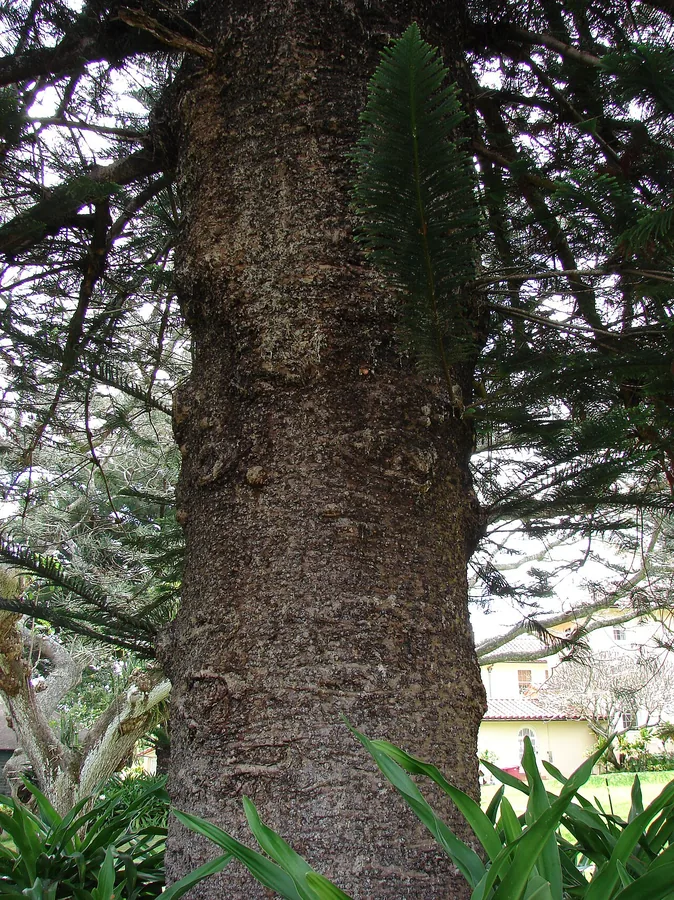
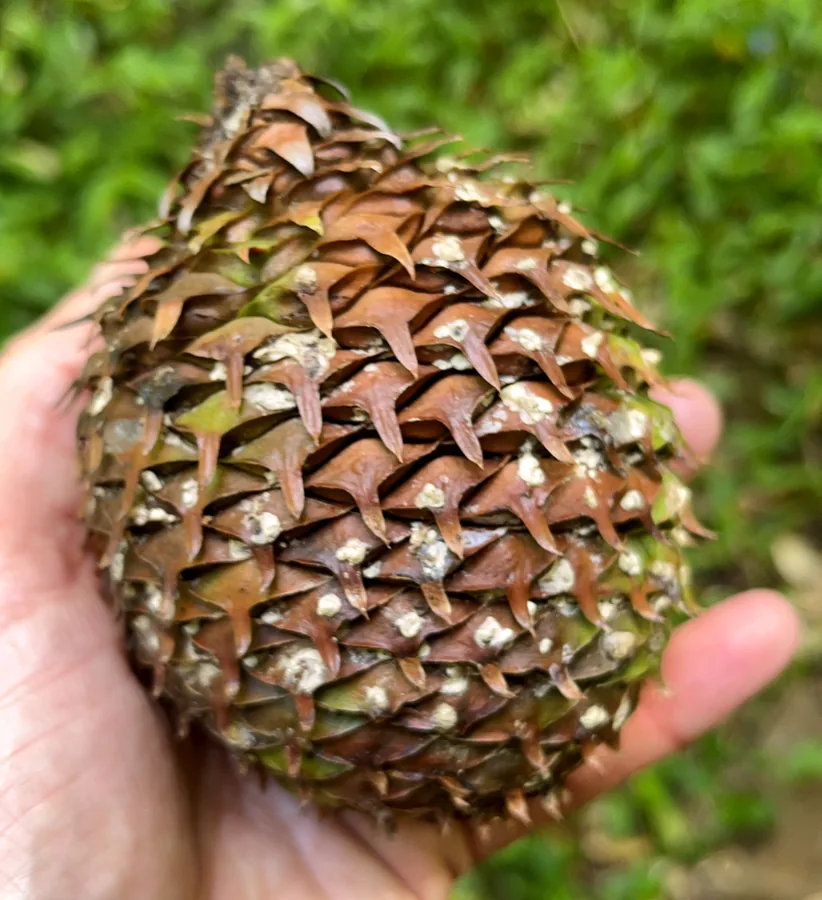
Close-up photo reference
Compare your tree against these to confirm the species and spot problems early.
.jpg)

Norfolk Island Pine quick reference
| USDA zones | 10 to 11 (grown indoors elsewhere) |
|---|---|
| Indoor / outdoor | Indoor in most climates; outdoors year-round only in frost-free coastal/subtropical zones |
| Light | Bright light, including some direct sun; rotate regularly for even growth |
| Water | Keep lightly, evenly moist; let the surface dry slightly: avoid both drought and sogginess |
| Soil | Free-draining bonsai mix; tolerates a slightly sandy, open substrate |
| Repot | Every 3 to 4 years; it dislikes heavy root disturbance |
| Frost | Tender: keep above ~50°F (10°C); damaged by frost |
| Mature height | 60 to 80 ft (18 to 24 m) in the landscape [s3] [s4] |
| Growth rate | Fast [s3] |
| Season of interest | Evergreen tiered foliage all year; flowers not showy and no fall color change [s3] |
| Leaf reduction | Not rated by the sources we checked |
| #1 cause of death | Low light and dry indoor air, causing needle browning and lower-branch drop |
Overview & Character
The Norfolk Island Pine is not a true pine but an ancient conifer from the Araucariaceae family, native to Norfolk Island in the South Pacific. It has a strikingly symmetrical, tiered form with whorls of horizontal branches, and it is familiar worldwide as a potted "living Christmas tree." Its soft, feathery foliage and geometric, layered structure give it an unusual, almost architectural presence quite different from typical bonsai conifers.
As a bonsai it is unconventional: it does not back-bud on old wood the way most trees do, so its rigid, tiered growth habit cannot be redesigned freely. Growers work with, rather than against, its natural whorled structure, keeping it as a slender, formal, miniature tree. It is grown chiefly as an indoor specimen because it is frost-tender, and its main challenges are providing enough light and humidity indoors.
Identification
Foliage consists of soft, awl-shaped, slightly incurved needle-like leaves densely covering the branchlets, bright to mid green and arranged in a soft, feathery spray. Branches grow in symmetrical horizontal whorls (tiers) around a straight central leader, giving the classic layered silhouette. Bark is gray-brown and resinous, becoming rougher with age. Mature wild trees develop large woody cones, but potted specimens rarely cone. Juvenile foliage (as seen on houseplants and bonsai) is softer and more feathery than the harder adult foliage of ancient trees.
Look-alikes & how to tell them apart: Often confused with true pines and with its relatives. Unlike true pines (Pinus), it bears soft awl-like leaves rather than bundled needles, and it grows in neat horizontal whorls. Its relative the Cook Pine (Araucaria columnaris) is narrower and often leans distinctly; the Monkey Puzzle (Araucaria araucana) has stiff, sharply pointed, overlapping scale-leaves. Norfolk Island Pine's soft, feathery, tiered foliage sets it apart.
Climate & USDA Zone
Hardy outdoors only in USDA zones 10 to 11, matching mild, frost-free coastal and subtropical climates. In all cooler regions it is grown as an indoor tree, moved outdoors only during warm, frost-free months. It enjoys warmth, bright light, and humidity, tolerates coastal conditions, and cannot survive frost.
Light
Give it as much bright light as possible, including some direct sun; it is a full-light tree by nature. Indoors, place it at the brightest window available and rotate it regularly, because it grows toward the light and will become lopsided if left in one orientation. Insufficient light causes weak, stretched growth and browning, dropping lower branches. A grow light is very helpful in dim rooms and short winter days.
Watering
Keep the soil lightly and evenly moist, letting the surface dry slightly between waterings. It tolerates neither prolonged drought (which browns the needles from the tips) nor waterlogged soil (which rots the roots). Water thoroughly, let excess drain, and check often, as warm indoor air dries pots quickly. Humidity matters: dry, heated indoor air causes needle browning, so use a humidity tray, group plants, or mist occasionally.
Soil & Root Care
Use a free-draining bonsai substrate; it tolerates a slightly sandy, open mix and does not want heavy, water-retentive soil. Repot only every 3 to 4 years, in spring, as it resents heavy root disturbance and is slow to recover from aggressive root pruning. Remove old, tired soil gently, prune roots conservatively, and keep the tree warm, bright, and slightly sheltered while it re-establishes. Ensure the pot drains freely.
Feeding
Feed through the growing season with a balanced fertilizer, roughly monthly to every two weeks using liquid feed at moderate strength, or with slow-release pellets. It is not an especially heavy feeder; over-fertilizing can burn the fine foliage. Reduce or stop feeding in winter when growth slows and light is low, resuming in spring.
Pruning & Styling
This species does not back-bud on old, bare wood, so it cannot be cut back hard and re-grown like most bonsai: pruning off a branch tier is permanent and leaves a gap. Styling therefore works with its natural formal, tiered, single-leader form rather than reshaping it. You can lightly trim branch tips to keep the silhouette tidy and remove dead or damaged lower branches. Wiring is limited and risky because branches are brittle and the structure is rigid; most growers keep it as an elegant formal upright and simply manage its size and symmetry.
Seasonal Calendar
- Spring: Growth resumes. Best (and infrequent) time to repot. Resume feeding and light tip-trimming. Move outdoors to a bright spot once nights stay reliably above ~54°F (12°C).
- Summer: Active growth. Give bright light, water evenly, feed moderately, and keep humidity up. Rotate for even growth and watch for spider mites.
- Autumn: Growth slows. Bring the tree indoors before cold nights arrive. Taper feeding and watering slightly.
- Winter: Keep warm, bright, and humid, away from heaters and cold drafts. Water sparingly, use a grow light in dim rooms, and guard against spider mites in dry air.
Care calendar by month
- Repot and root-prune: April to June
- Prune, wire and shape: April to August
- Feed: April to September
- Air-layer or take cuttings: May to July
Propagation & Cuttings
Ease: Moderate. Best methods: seed; cuttings (terminal only).
Araucaria heterophylla grows from fresh seed sown warm: the large seeds germinate well but don't store. Cuttings are tricky: only vertical terminal (leader) cuttings grow upright; side-branch cuttings stay plagiotropic (grow sideways forever), so avoid them. Keep everything warm (tender tropical). For bonsai it is unusual: the rigid symmetrical whorled tiers resist conventional styling and it doesn't back-bud on old wood, so it's grown more as a novelty; start from seed for a proper leader.
Pests
Indoors the common pests are spider mites (fine stippling and webbing, worse in dry air), mealybugs (white cottony clusters), scale insects (small brown bumps on stems and foliage), and aphids on soft new growth. Inspect regularly, raise humidity to discourage mites, and treat with insecticidal soap, neem, or horticultural oil, taking care with the delicate foliage and repeating as needed.
Disease, Fungus & Infection
Norfolk Island Pine is relatively disease-resistant, and most problems are cultural: needle browning from dry air or drought, and root rot from overwatering in dense, wet soil. Poor drainage and stagnant conditions can invite root-rot fungi, shown by yellowing, wilting, and dieback. Good light, free-draining soil, careful watering, and adequate humidity prevent nearly all disease issues.
Most Common Causes of Death
1. Low light and dry indoor air. Too little light plus dry, heated air causes needle browning and the loss of lower branches, gradually weakening the tree. Give the brightest possible spot and raise humidity. 2. Root rot from overwatering. Soggy, poorly draining soil rots the roots. Use free-draining substrate, water only as the surface dries, and empty drip trays. 3. Drying out completely. Prolonged drought browns needles from the tips inward. Keep the soil evenly, lightly moist. 4. Frost and cold damage. Temperatures near or below freezing damage or kill it. Keep it above ~50°F (10°C) and never expose it to frost. 5. Spider mites in dry heated air. Untreated mites disfigure and weaken the foliage. Raise humidity and treat early.
Sources
- Bonsai Empire: indoor bonsai tree care
- Wikipedia: Araucaria heterophylla
- UF/IFAS Extension (Ask IFAS): ENH242/ST083 Araucaria heterophylla: Norfolk Island-Pine
- NC State Extension Plant Toolbox: Araucaria heterophylla
Where to buy a Norfolk Island Pine bonsai
We don’t stock Norfolk Island Pine at the moment. These species need similar care and we have them now, they are the closest match in our catalogue.
- Black Olive, similar care, in stock now
- Dwarf Umbrella Tree (Dwarf Schefflera), similar care, in stock now
- Fukien Tea, similar care, in stock now
Browse all bonsai trees for sale or find a species matched to your climate and space.
- All species
- Shop bonsai trees, tools & supplies
- How to Water a Bonsai (Without Killing It)
- Bonsai Soil: What to Buy, What to Mix, and What It Costs
- Why Bonsai Die After Repotting: Diagnosing a Failed Repot
- Pruning vs. Pinching: Shaping Your Bonsai
- Overwintering Bonsai: Cold-Season Care
- Indoor Bonsai Light and Humidity: Making a Windowsill Actually Work
- Root Rot on bonsai
- Overwatering on bonsai
- Underwatering (Drought Stress) on bonsai
- Winter / Frost Damage on bonsai
- Insufficient Light (Etiolation) on bonsai
- Black Olive bonsai care
- Dwarf Umbrella Tree (Dwarf Schefflera) bonsai care
- Fukien Tea bonsai care
- Orange Jasmine bonsai care