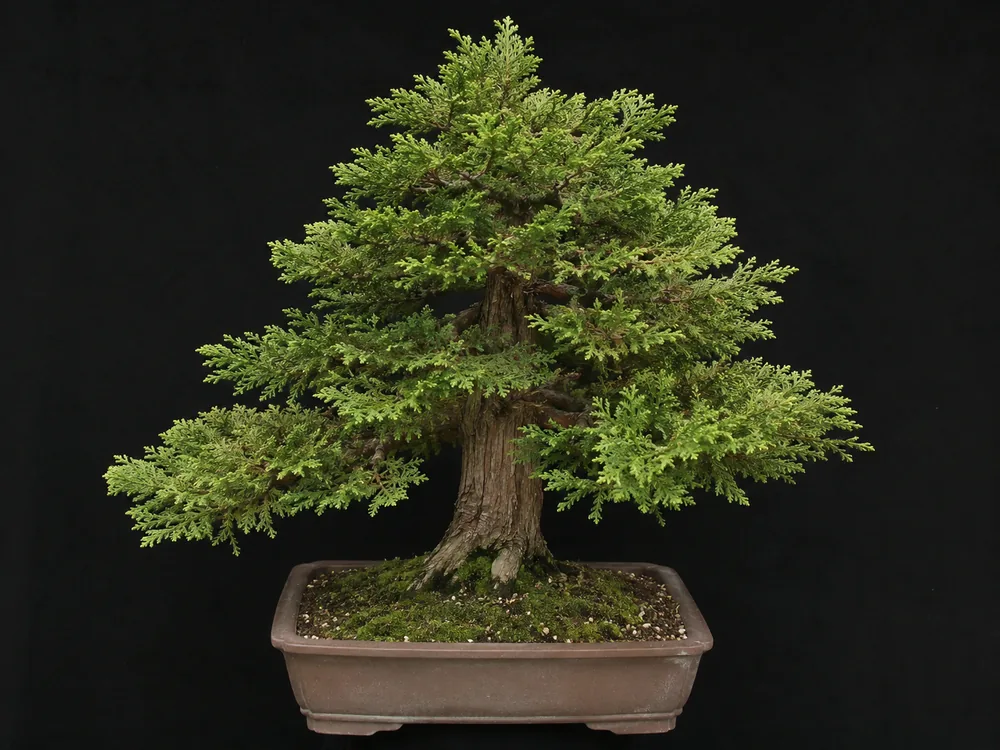
Lawson Cypress Bonsai Care
Chamaecyparis lawsoniana
1 Lawson Cypress bonsai in stock, from $57.95 Shipped direct from our nursery partners, with a 48-hour live-arrival guarantee. See the trees
Zones 5 to 9, outdoor only. A tall western North American false-cypress (also called Port Orford Cedar) with soft, ferny. Most are lost to overwatering.
Cupressaceae (cypress family) · Evergreen coniferous tree
Lawson Cypress quick reference
| USDA zones | 5–9 |
|---|---|
| Indoor / outdoor | Outdoor only — full sun, shelter from wind |
| Light | Full sun — shade browns inner/lower foliage |
| Water | Moist — never dry, but very prone to root rot if waterlogged |
| Soil | Free-draining yet moisture-holding mix |
| Repot | Every 2–3 years (young), 4–6 (older), spring |
| Frost | Hardy; shelter from cold drying wind |
| Mature height (as bonsai) | 40-60m wild; 30-70cm as bonsai |
| Growth rate | Moderate; weak on bare old wood |
| Season of interest | Year-round soft scale foliage sprays |
| Leaf reduction | Scale foliage refines with pinching, not cutting |
| #1 cause of death | Root rot from standing water; inner dieback (won't bud old wood) |
Overview & Character
The Lawson Cypress is a tall western North American false-cypress (also called Port Orford Cedar) with soft, ferny, often blue- or grey-green foliage and many dwarf cultivars used for bonsai. It suits medium-to-large formal upright work and naturalistic conifer styles.
It shares the Chamaecyparis rules: it is thirsty and must not dry out, yet is very prone to root rot if left standing in water — so water generously in the morning with sharp drainage. And it will not back-bud on old bare wood, so keep full sun on the whole canopy and never cut past green foliage; shape by clip-and-grow.
Identification
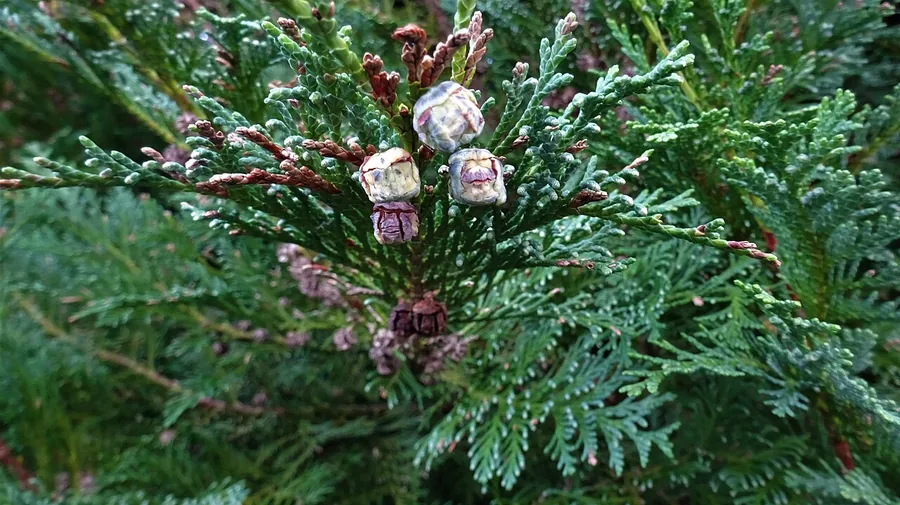
Foliage: Fine scale leaves in flattened, drooping ferny sprays, often blue-grey or grey-green, with whitish X-marks beneath; aromatic (parsley/resin scent) when crushed.
Bark & trunk: Reddish-brown, fibrous and shredding in vertical strips.
Growth habit / form: Tall, conical, with soft drooping foliage sprays and a nodding leader; suits medium/large formal upright and naturalistic styles.
Flowers / fruit: Monoecious; small round cones ~7–9 mm ripening brown.
Look-alikes & how to tell them apart: Close to other false-cypress; Lawson is told by its drooping, often blue-grey ferny sprays, parsley-scented foliage, and nodding leading shoot; Sawara has tiny pea cones and more pointed scales, Hinoki has blunt tight scales with white Y-marks.
Climate & USDA Zone
Hardy in USDA zones 5–9. Needs full sun and shelter from drying wind, grown outdoors year-round; protect from cold winter wind. Susceptible in the ground to Phytophthora lateralis root disease, so sharp drainage and clean practice matter. Not an indoor plant.
Light
Full sun — it is not very shade-tolerant, and in shade the lower and inner branches brown and die (irreversible, since it won't re-bud bare wood). Maximize light to keep the whole canopy alive and dense.
Watering
Keep moist — it needs a lot of water and likes moist soil — but it is very prone to root rot if left standing wet, especially overnight.
- Water thoroughly, preferably early in the morning; do not let the soil dry out, and do not let it sit waterlogged.
- Sharp drainage with a moisture-holding component is the balance to strike.
Soil & Root Care
Soil: A well-draining yet moisture-retentive mix — e.g. 1 part sharp sand : 1 part grit (6–10 mm) : 1 part loam, or akadama/pumice/lava with a little organic matter.
Repotting:
- Frequency: young trees every 2–3 years (fast roots); older every 4–6 years.
- Timing: spring as growth starts.
- Moderate root-pruning; keep some old soil; use clean tools (root disease risk).
- Aftercare: keep moist, sheltered from wind/sun while recovering.
Feeding
Apply a balanced organic feed — liquid every ~2 weeks, or granular every couple of months — from spring to mid-summer and again from late summer to late autumn. Don't feed freshly repotted trees.
Pruning & Styling
- Clip-and-grow; pinch green foliage only. It will not back-bud on old bare wood, so never cut a branch back past its green foliage.
- Prune the leading tips regularly so shoot tips lignify and light reaches deeper into the crown, keeping inner foliage alive.
- Wiring: branches are workable; protect the shredding bark; much shaping is directional pruning.
- Best suited to medium-to-large formal upright bonsai.
Propagation & Cuttings
Ease: Easy (roots from cuttings). Best method: cuttings.
Chamaecyparis lawsoniana is propagated from cuttings — the many cultivars are cloned this way. Take semi-hardwood heel cuttings in autumn to late winter, dip in IBA, keep humid and cool; rooting is reliable but slow. Seed germinates after short cold stratification but seedlings vary. It doesn't layer readily. For bonsai, cuttings keep the chosen foliage colour and form; like Hinoki it back-buds poorly on bare old wood, so never strip interior growth when styling.
Pests
- Spider mites (hot, dry conditions)
- Scale insects
- Aphids
- Bagworms
Treat with horticultural oil, insecticidal soap, or appropriate systemics; catch infestations early.
Disease, Fungus & Infection
- **Root rot (Phytophthora, incl. P. lateralis)** — from standing water/poor drainage; the leading killer, and Lawson is notably susceptible.
- Inner/lower foliage dieback — from shade or over-cutting (cultural; irreversible — won't re-bud bare wood).
- Tip blight — shoot dieback in wet, humid, low-airflow conditions; prune out, improve airflow.
Prevention: morning watering with sharp drainage, full sun, airflow, clean tools, wind shelter.
Most Common Causes of Death
1. Root rot from standing water. Especially overnight wetness — water in the morning and keep sharply drained. 2. Inner/lower foliage dieback. From shade or hard cutting — keep full sun and never cut past green foliage. 3. Drying out. It must not go dry; water faithfully. 4. Cold drying wind. Shelter in winter. 5. Spider mites on a stressed tree. Keep vigor up; treat early.
Seasonal Calendar
- Spring: Repot if due (as growth starts, clean tools); resume feeding; full sun; pinch tips.
- Summer: Water well in the morning (never dry, never standing wet); watch spider mites; clip-and-grow.
- Autumn: Second feeding window (late summer–autumn); light shaping.
- Winter: Shelter from cold drying wind; keep moist, not soggy.
Close-up photo reference
Compare your tree against these to confirm the species and spot problems early.

Sources
Buy a Lawson Cypress bonsai
- All species
- Shop bonsai trees, tools & supplies
- How to Water a Bonsai (Without Killing It)
- Bonsai Soil: What to Buy, What to Mix, and What It Costs
- Why Bonsai Die After Repotting: Diagnosing a Failed Repot
- Pruning vs. Pinching: Shaping Your Bonsai
- Overwintering Bonsai: Cold-Season Care
- Indoor Bonsai Light and Humidity: Making a Windowsill Actually Work
- Root Rot on bonsai
- Underwatering (Drought Stress) on bonsai
- Winter / Frost Damage on bonsai
- Spider Mites on bonsai
- Scale Insects on bonsai
- Atlantic White Cedar bonsai care
- Sawara Cypress bonsai care
- Hinoki Cypress bonsai care
- Cryptomeria / Japanese Cedar bonsai care