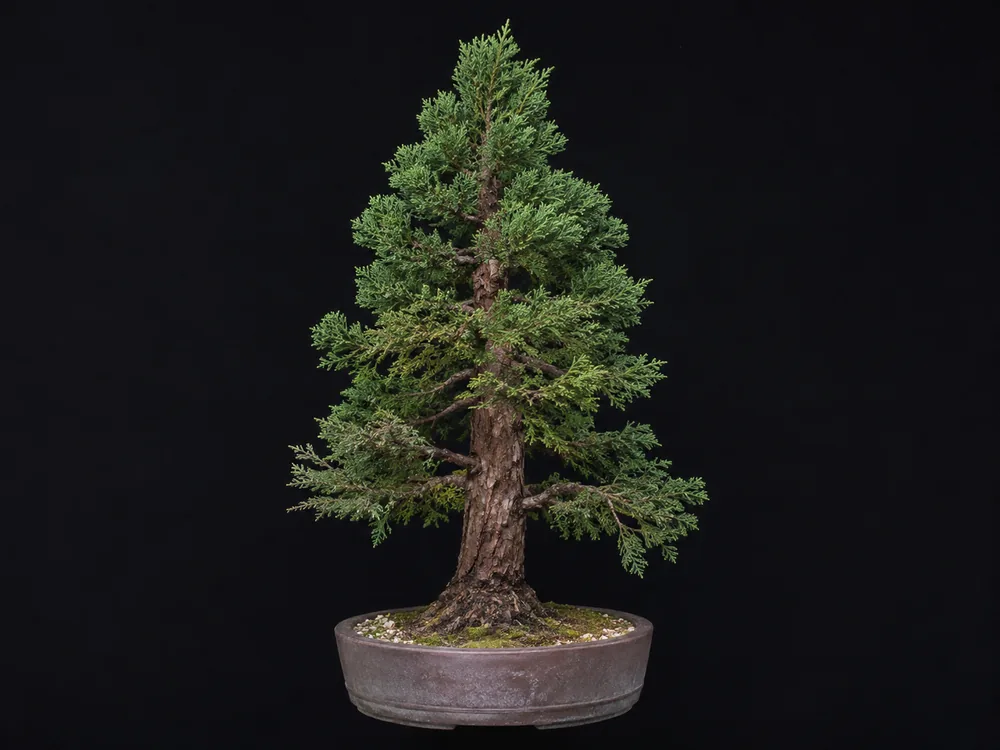
Giant Sequoia Bonsai Care
Sequoiadendron giganteum
Zones 6 to 8, outdoor. The most massive tree species on the planet. Most are lost to drying out.
Cupressaceae (the cypress family) · Evergreen coniferous tree
Giant Sequoia quick reference
| USDA zones | 6 to 8 |
|---|---|
| Indoor / outdoor | Outdoor: a montane conifer requiring cold winters and abundant light; not an indoor tree. |
| Light | Full sun: wants maximum light for compact, healthy foliage. |
| Water | Evenly moist: a mountain species used to snowmelt; never bone-dry, never waterlogged. |
| Soil | Free-draining, slightly acidic conifer mix. |
| Repot | Every 2 to 4 years while young, less as it matures. |
| Frost | Cold-hardy to roughly −20 to −25 °C (−4 to −13 °F) established. |
| Mature height | Tree to 85 m; 30-90 cm as bonsai |
| Growth rate | Fast when young |
| Season of interest | Year-round blue-green foliage, fibrous red bark |
| Leaf reduction | Good - scale-like foliage stays fine |
| #1 cause of death | Drying out / underwatering: its awl-like foliage browns fast and does not recover. |
Overview & Character
The giant sequoia is the most massive tree species on the planet, and there is a particular appeal in miniaturizing the largest living thing on earth. As bonsai it forms a stout, tapering trunk with beautiful spongy, fibrous cinnamon-red bark unusually quickly, and its blue-green awl-shaped foliage clads the branches densely. It suits formal upright styling that echoes the towering columnar habit of the wild giants of the Sierra Nevada. It grows vigorously in good conditions, thickens fast, and back-buds well, making it more forgiving to develop than many conifers, though it is unforgiving of a single dry-out.
Care keys: keep it outdoors in full sun with a genuinely cold winter, water diligently so the rootball stays evenly moist at all times, feed steadily for the vigor that builds trunk and bark, and use a free-draining mix to avoid root rot. Pinch new growth to build a tight, layered canopy, and provide winter protection for the pot in cold zones since container roots are far less hardy than the giant trees in the ground.
Identification
Foliage: Small, awl-shaped (subulate) blue-green to gray-green scale-like leaves 3 to 6 mm long, spirally arranged and pressed forward along the shoots, overlapping so the shoots look rope-like or cord-like; aromatic when crushed.
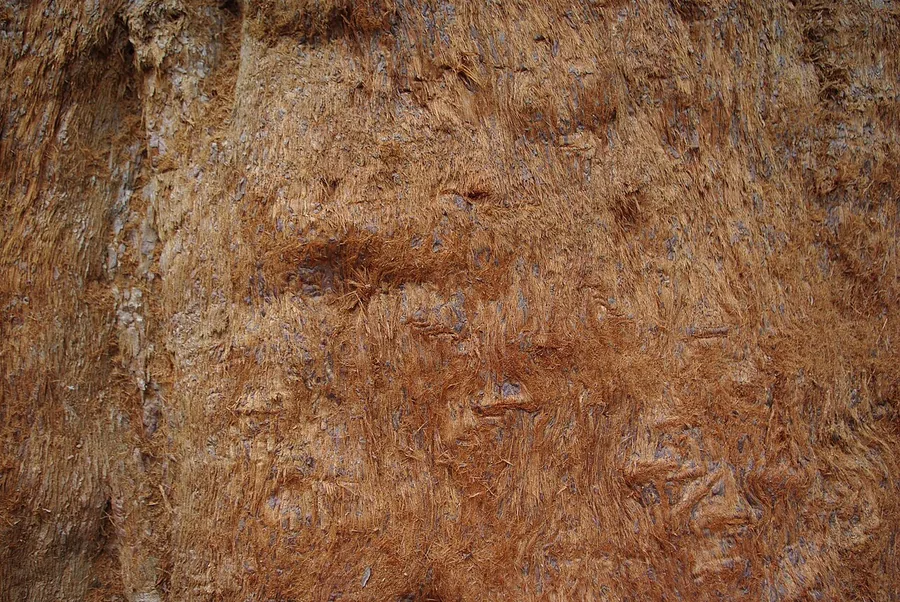
Bark & trunk: Thick, soft, fibrous, deeply furrowed reddish-brown ("cinnamon") bark, fire-resistant and spongy to the touch; trunks are strongly buttressed and tapered.
Growth habit / form: Conical and dense when young, becoming a massive columnar tree with a rounded crown; strongly upright with a persistent straight leader.
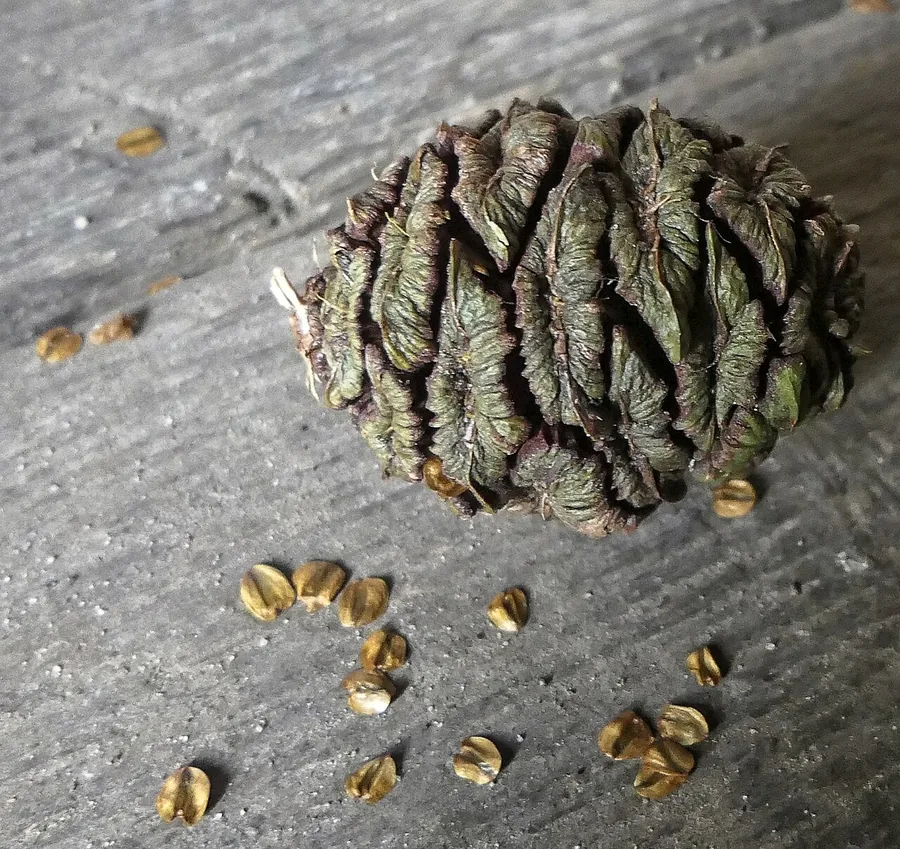
Flowers / fruit: Small egg-shaped woody cones about 4 to 7 cm long that remain green and closed on the tree for years before ripening brown; seed release is often triggered by fire or drying.
Look-alikes & how to tell them apart: Most confused with coast redwood (Sequoia sempervirens), which has flat, two-ranked yew-like needles and much smaller cones, and with dawn redwood (Metasequoia glyptostroboides), which is deciduous with soft feathery opposite needles that drop in autumn. Giant sequoia is distinguished by its awl-shaped, cord-like blue-green foliage pressed to the shoot, its evergreen habit, and its larger, longer-persisting cones.
Climate & USDA Zone
Giant sequoia grows in USDA zones 6 to 8. Established trees tolerate winter lows around −20 to −25 °C (−4 to −13 °F), reflecting their native Sierra Nevada montane range where they endure heavy snow. It needs a cold winter dormancy and cool nights; it does poorly in hot, humid, low-elevation climates and dislikes prolonged summer heat combined with dry air. Grow outdoors year-round. Because roots in a bonsai pot are much less cold-hardy than the trunk, overwinter the container in a cold frame, unheated garage, or heeled into the ground with mulched roots when temperatures fall much below −5 to −10 °C (23 to 14 °F).
Light
Give it full sun; giant sequoia demands maximum light for dense, healthy, well-colored foliage. In very hot climates a little afternoon shade on the pot helps prevent root heat stress, but the canopy wants all the sun it can get. Insufficient light produces sparse, weak, elongated growth.
Watering
Keep the rootball evenly moist at all times; this is a snowmelt-fed mountain tree and its awl foliage browns irreversibly if it dries out.
- Water whenever the surface begins to dry; in summer this often means daily or twice daily.
- Never allow the rootball to dry fully; a single serious dry-out can brown and kill whole branches that will not re-green.
- At the same time avoid waterlogging; the mix must drain freely to prevent root rot.
- Reduce frequency in winter dormancy, keeping the soil merely damp.
Soil & Root Care
Soil: A free-draining, slightly acidic conifer mix: akadama, pumice and lava in roughly equal parts, with a little organic component to hold moisture. The balance between moisture retention and drainage is the crux for this thirsty but rot-prone species.
Repotting:
- Repot every 2 to 4 years while young and vigorous, less frequently as it matures.
- Timing: early spring as buds begin to move, before the main flush.
- Root-work tolerance is moderate; trim the outer roots and comb out, but do not bare-root hard; preserve fine feeder roots.
- Aftercare: keep sheltered from wind and strong midday sun, water carefully so it never dries, and withhold fertilizer for about a month.
Feeding
Feed steadily through the growing season to fuel the strong growth that thickens trunk and develops bark. Use a balanced conifer fertilizer from spring through to early autumn, easing off slightly in peak summer heat. A modest reduction in nitrogen toward late summer, with continued potassium, helps harden the wood for winter. Giant sequoia is a fast, hungry grower when young, so consistent feeding pays off in development speed; back off once refinement is the goal to keep foliage compact.
Pruning & Styling
- Pinch back soft new growing tips through the growing season with fingers to build density and a tight, layered canopy; the tree back-buds well on younger wood.
- Avoid cutting through the foliage with scissors where possible, as cut awl-tips brown; pinch or cut back to a junction instead.
- Suitable styles: formal upright (chokkan) above all, echoing the wild giants, plus informal upright (moyogi) and group/forest plantings; the columnar habit does not suit cascade.
- Wire in autumn or winter; young shoots are flexible but the trunk lignifies and stiffens, so set structure early.
- Thin congested interior growth to admit light and prevent inner dieback.
Propagation & Cuttings
Ease: Moderate from seed; cuttings possible. Best methods: seed; cuttings.
Sequoiadendron giganteum grows from seed; cold-moist stratify ~1 to 2 months and surface-sow in spring; germination is fair and seedlings, though slow at first, are hardy. Semi-hardwood cuttings root at low-to-moderate rates with hormone under mist. Unlike coast redwood it sprouts less from the base. For bonsai, seedlings are the usual start; the species wants sun, airy soil, and patience, developing the fibrous red bark and conical form over many years.
Pests
- Spider mites: the most common pest, causing stippling and browning of foliage in hot dry conditions; increase humidity, rinse foliage, and apply miticide.
- Aphids: on soft new growth; hose off or treat with insecticidal soap.
- Cypress/juniper scale: sap-sucking scales on shoots; treat with horticultural oil.
- Cypress bark beetles / borers: attack stressed or drought-weakened trees; keep the tree healthy and well-watered to avoid attack.
For most of these a dormant horticultural oil spray plus keeping the tree unstressed and well-watered is the best defense.
Disease, Fungus & Infection
- **Botryosphaeria canker (Botryosphaeria dothidea)**: a serious canker/dieback disease of giant sequoia, worse in drought-stressed trees, causing branch flagging and dieback; prune out cankered wood well below the lesion and keep the tree unstressed.
- Phytophthora root rot: in waterlogged or poorly draining soil; ensure sharp drainage and never overwater.
- Cercospora / needle blight: foliage browning in humid conditions; improve airflow and remove affected foliage.
- Armillaria root rot: honey fungus attacking roots of weakened trees; keep vigor up and drainage sharp.
Prevention: the single best defense is a healthy, well-watered, unstressed tree in free-draining soil with good airflow; Botryosphaeria in particular exploits drought stress, so consistent watering is protective.
Most Common Causes of Death
1. Drying out / underwatering: the number-one killer; the awl foliage browns fast and does not recover, and a single serious dry-out can kill the tree. Never let the rootball dry fully; water daily in summer. 2. Root rot from waterlogging: the opposite error; a soggy mix suffocates roots and invites Phytophthora. Use a free-draining soil and never let the pot sit in water. 3. Winter root freeze in an unprotected pot: container roots are far less hardy than the wild trunk; overwinter the pot in a cold frame or heeled into the ground. 4. Botryosphaeria canker following drought stress: dieback that follows a dry-out; keep the tree consistently watered and prune out cankers cleanly. 5. Excess heat in humid lowland climates: a cool-montane species that declines in prolonged hot, humid conditions; give cool roots, airflow, and afternoon pot shade.
Seasonal Calendar
- Spring: Buds move and vigorous new growth begins, the window to repot before the flush; start feeding, begin diligent watering, and pinch new tips as they extend.
- Summer: Fastest growth; water daily or twice daily and never let it dry, shade the pot in extreme heat, watch closely for spider mites, and keep pinching.
- Autumn: Growth slows; reduce nitrogen while maintaining potassium to harden off, wire structural changes, keep evenly moist.
- Winter: Dormant outdoors; protect container roots from hard freeze, keep soil just damp, apply dormant horticultural oil, and hold off root work.
Close-up photo reference
Compare your tree against these to confirm the species and spot problems early.


Sources
- Wikipedia: *Sequoiadendron giganteum*
- Missouri Botanical Garden: *Sequoiadendron giganteum* plant profile
- The Gymnosperm Database: *Sequoiadendron giganteum*
Where to buy a Giant Sequoia bonsai
We don’t stock Giant Sequoia at the moment. These species need similar care and we have them now — they are the closest match in our catalogue.
- Bald Cypress — similar care, in stock now
- Dawn Redwood — similar care, in stock now
Browse all bonsai trees for sale or find a species matched to your climate and space.
- All species
- Shop bonsai trees, tools & supplies
- How to Water a Bonsai (Without Killing It)
- Bonsai Soil: What to Buy, What to Mix, and What It Costs
- Why Bonsai Die After Repotting: Diagnosing a Failed Repot
- Pruning vs. Pinching: Shaping Your Bonsai
- Overwintering Bonsai: Cold-Season Care
- Indoor Bonsai Light and Humidity: Making a Windowsill Actually Work
- Root Rot on bonsai
- Overwatering on bonsai
- Underwatering (Drought Stress) on bonsai
- Winter / Frost Damage on bonsai
- Insufficient Light (Etiolation) on bonsai
- Bald Cypress bonsai care
- Dawn Redwood bonsai care
- European Larch bonsai care
- Gold Arborvitae bonsai care