
White Spruce Bonsai Care
Picea glauca
Zones 2 to 6. A hardy boreal conifer native across northern North America, forming much of the great northern forest. Most are lost to drying out.
Pinaceae (the pine family) · Evergreen coniferous tree
At a glance
- Type
- Conifer
- Leaves
- Evergreen
- USDA zones
- 2 to 6
- Indoor or outdoor
- Outdoor
- Growth rate
- Slow
- Bonsai popularity
- Tier 2
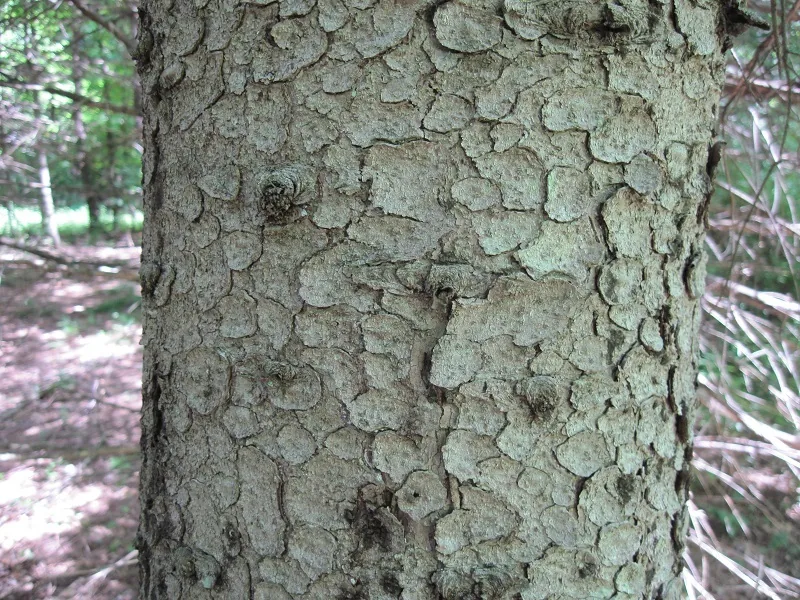
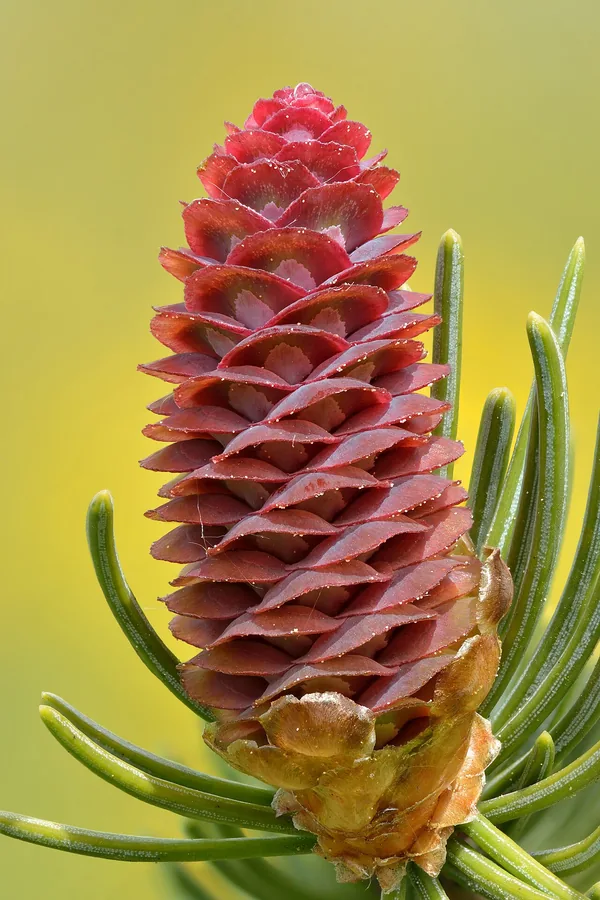
Close-up photo reference
Compare your tree against these to confirm the species and spot problems early.


White Spruce quick reference
| USDA zones | 2 to 6 |
|---|---|
| Indoor / outdoor | Strictly outdoor; a cold-climate boreal conifer that needs a real winter |
| Light | Full sun to very bright light; some afternoon shade in the hottest climates |
| Water | Evenly moist: never soggy, never bone dry; spruce dislike drought |
| Soil | Free-draining conifer mix (akadama/pumice/lava with a little organic matter) |
| Repot | Every 3 to 5 years, in early spring as buds swell |
| Frost | Extremely hardy in the ground; potted roots still need shelter from hard freeze/wind |
| Mature height | 40 to 60 ft (12 to 18 m) in landscapes; averages 80 ft (24 m) in the wild [s3] [s4] [s6] |
| Growth rate | Slow [s4] [s5] |
| Season of interest | Evergreen blue-green needles all year; small hanging cones ripen pale brown in fall [s3] [s4] |
| Leaf reduction | Not rated by the sources we checked |
| #1 cause of death | Drying out: spruce have fine roots that die quickly when the rootball dries |
Overview & Character
White spruce is a hardy boreal conifer native across northern North America, forming much of the great northern forest. As bonsai it offers short, radiating needles, a naturally conical to upright habit, and fine ramification that suits formal and informal upright, and group plantings. The widely available Dwarf Alberta Spruce ('Conica') is a compact sport of this species with very dense, tiny needles, attractive but slow, and prone to reverting or to interior needle loss if starved of light and air.
Spruce differ from pines in a way that shapes their care: they have a single flush of growth, buds set on old wood, and they do not back-bud readily on bare branches. That makes styling a game of patience and light management; you keep interior growth alive rather than trying to regenerate it later. Combined with fine, moisture-sensitive roots, this makes white spruce a species that rewards steady, attentive care and punishes neglect, especially letting the rootball dry.
Identification
Needles: Short (roughly 3/8 to 3/4 in / 1 to 2 cm), four-sided, stiff, arranged spirally all around the shoot, blue-green to gray-green often with a slightly glaucous (waxy) bloom. Crushed foliage has a pungent, somewhat rank odor; one folk name is "cat spruce."
Bark: Thin, gray-brown, scaly, becoming flaky with age.
Habit: Densely conical when young, spire-topped; branches whorled.
Cones: Slender, cylindrical, pale brown, 1 1/4 to 2 3/4 in (3 to 7 cm), pendulous, with thin flexible scales; they hang down (unlike fir cones, which stand upright).
Look-alikes & how to tell them apart: Distinguish spruce from fir and pine by rolling a needle between your fingers; spruce needles are four-sided and roll easily and are attached to small woody pegs (sterigmata) that stay on the twig when needles fall, leaving it rough; fir needles are flat and don't roll, and leave smooth round scars. Pines carry needles in bundles of 2 to 5, spruce singly. Among spruces, Picea glauca has short blue-green needles and a pungent smell; Norway spruce (Picea abies) has longer needles and much larger cones.
Climate & USDA Zone
Exceptionally cold-hardy, roughly USDA zones 2 to 6. This is a boreal species built for long, cold winters and cool summers; it requires genuine dormancy and does poorly in hot, humid regions. In warm climates it is short-lived and stressed. Provide cool conditions, and in the hottest areas give afternoon shade and extra attention to keeping roots cool and moist.
Light
Give white spruce full sun to very bright light to keep growth compact and the interior alive. In cool climates full sun all day is ideal. In hot climates, some afternoon shade prevents needle scorch and root overheating. Dwarf Alberta Spruce in particular loses interior needles and thins out if grown in too little light; bright, open placement is essential. This is an outdoor tree; it will not thrive indoors.
Watering
Aim for evenly, consistently moist; this is a moisture-loving species with fine roots that die quickly if allowed to dry out. Water thoroughly whenever the surface begins to dry, and never let the rootball go bone dry, as spruce give little warning before fine-root damage becomes fatal. Equally, avoid waterlogging: the mix must drain freely so roots stay moist but oxygenated. In hot weather this can mean watering more than once a day; in winter dormancy, much less. Dwarf Alberta Spruce is especially unforgiving of drying out.
Soil & Root Care
Use a free-draining conifer mix: akadama, pumice and lava in roughly equal parts, with a small amount of fine organic matter or extra akadama to hold a little more moisture than a pine would want. Spruce have fine, fibrous roots; keep them moist and never let the core of the rootball dry during or after repotting. Repot every 3 to 5 years in early spring just as the buds begin to swell, removing no more than a third of the roots and never fully bare-rooting a mature tree. Keep a freshly repotted spruce out of strong sun and wind and never let it dry while it re-establishes.
Feeding
Feed through the growing season with a balanced fertilizer, starting after the spring flush has hardened slightly and continuing into autumn, easing off nitrogen late so growth firms before winter. Spruce respond well to steady moderate feeding, which supports fine ramification, but avoid pushing heavy nitrogen, which coarsens needles and lengthens internodes. Do not feed a freshly repotted or visibly weak tree until it shows renewed vigor.
Pruning & Styling
Styling white spruce is wiring-led, because spruce set buds on old wood, flush once a year, and do not reliably back-bud on bare branches, so structure is built by wiring branches into position rather than by cutting back and regrowing. Wire can be applied through much of the year (autumn to late winter is convenient while the tree is quiet); protect the thin bark with raffia or tape on major bends and check often, as spruce bark marks easily. In spring, pinch or gently pull the soft new shoots to control length and encourage density rather than cutting hardened wood, which may leave a bare stub. Never remove all foliage from a branch you want to keep; spruce may not regenerate it. Preserve interior growth by keeping the tree open to light.
Seasonal Calendar
- Spring: Buds swell and the single flush emerges. Repot (if due) as buds swell. Pinch/pull soft new shoots to control length. Begin feeding once new growth firms. Watch for aphids and adelgids.
- Summer: Keep evenly moist, possibly watering more than once daily in heat. Provide afternoon shade in hot climates. Watch closely for spider mites. Continue moderate feeding.
- Autumn: Growth hardens. Good time for wiring and structural work. Reduce nitrogen but keep feeding lightly to firm growth. Keep the soil moist as the tree prepares for dormancy.
- Winter: Full dormancy. Keep cold but shelter the pot/roots from hard freezes and drying wind (mulch, cold frame, unheated shelter). Water sparingly, never letting the rootball dry completely.
Care calendar by month
- Repot and root-prune: April
- Prune, wire and shape: May, October to November
- Feed: April to June, September to October
- Air-layer or take cuttings: June to July
Propagation & Cuttings
Ease: Difficult from cuttings. Best methods: seed; grafting; collected.
Picea glauca is grown from seed: cold-moist stratify ~1 to 2 months and sow in spring; germination is good but seedlings are slow. Cuttings root poorly; the popular dwarf 'Conica' (Alberta spruce) is propagated by cuttings (it's a mutation that roots better than the species) and by grafting. It is collected in the north as yamadori. For bonsai, dwarf Alberta spruce cuttings, seedlings, or collected trees are the routes; spruce back-buds modestly, so keep interior growth when styling the dense pads.
Pests
Spruce are prone to spider mites, especially in hot, dry, still conditions; watch for stippled, dull, bronzing needles and fine webbing, and hose foliage / improve airflow to discourage them. Other pests include spruce aphids (which can cause dramatic needle drop of older needles), adelgids (which produce pineapple-like galls on shoot tips), spruce budworm and sawfly larvae, and scale. Inspect regularly and treat early with appropriate horticultural oil or a conifer-safe insecticide.
Disease, Fungus & Infection
Root rot from waterlogged soil is a risk if drainage is poor. Needle-cast and needle-blight fungi (e.g. Rhizosphaera) cause interior needles to brown and drop, worse in humid, crowded conditions; cytospora canker can kill branches on stressed trees, showing as dying limbs with resin bleeding. Prevention centers on full sun, good airflow, correct watering, avoiding late-day overhead wetting, and removing infected needles and branches. Sterilize tools between trees to avoid spreading canker.
Most Common Causes of Death
1. Drying out. Spruce have fine roots that die fast when the rootball dries, and the tree gives little warning. Keep the soil consistently moist and never let it go bone dry. 2. Kept indoors / no dormancy. A boreal conifer needs cold winters and outdoor light; indoors it declines. Grow it outside year-round. 3. Waterlogging / root rot. Constantly soggy soil suffocates the roots. Use a free-draining mix and let excess water run through. 4. Cutting back to bare wood. Spruce may not back-bud on a stripped branch, leaving permanent gaps. Keep foliage on branches you want to keep. 5. Heat and spider mites. Hot, dry, stagnant conditions invite mites and stress. Provide airflow, afternoon shade in hot climates, and keep roots cool.
Sources
- Bonsai Empire: Spruce care
- Wikipedia: Picea glauca
- NC State Extension: Picea laxa (White Spruce), North Carolina Extension Gardener Plant Toolbox
- The Morton Arboretum: White Spruce
- Utah State University Extension TreeBrowser: Spruce, White or Blackhills
- USDA Forest Service Fire Effects Information System: Picea glauca
Where to buy a White Spruce bonsai
We don’t stock White Spruce at the moment. These species need similar care and we have them now, they are the closest match in our catalogue.
- Ezo Spruce, similar care, in stock now
Browse all bonsai trees for sale or find a species matched to your climate and space.
- All species
- Shop bonsai trees, tools & supplies
- How to Water a Bonsai (Without Killing It)
- Bonsai Soil: What to Buy, What to Mix, and What It Costs
- Why Bonsai Die After Repotting: Diagnosing a Failed Repot
- Pruning vs. Pinching: Shaping Your Bonsai
- Overwintering Bonsai: Cold-Season Care
- Indoor Bonsai Light and Humidity: Making a Windowsill Actually Work
- Root Rot on bonsai
- Underwatering (Drought Stress) on bonsai
- Winter / Frost Damage on bonsai
- Leaf Scorch / Sunburn on bonsai
- Insufficient Light (Etiolation) on bonsai
- Norway Spruce bonsai care
- Ezo Spruce bonsai care
- Colorado Blue Spruce bonsai care
- Douglas Fir bonsai care